
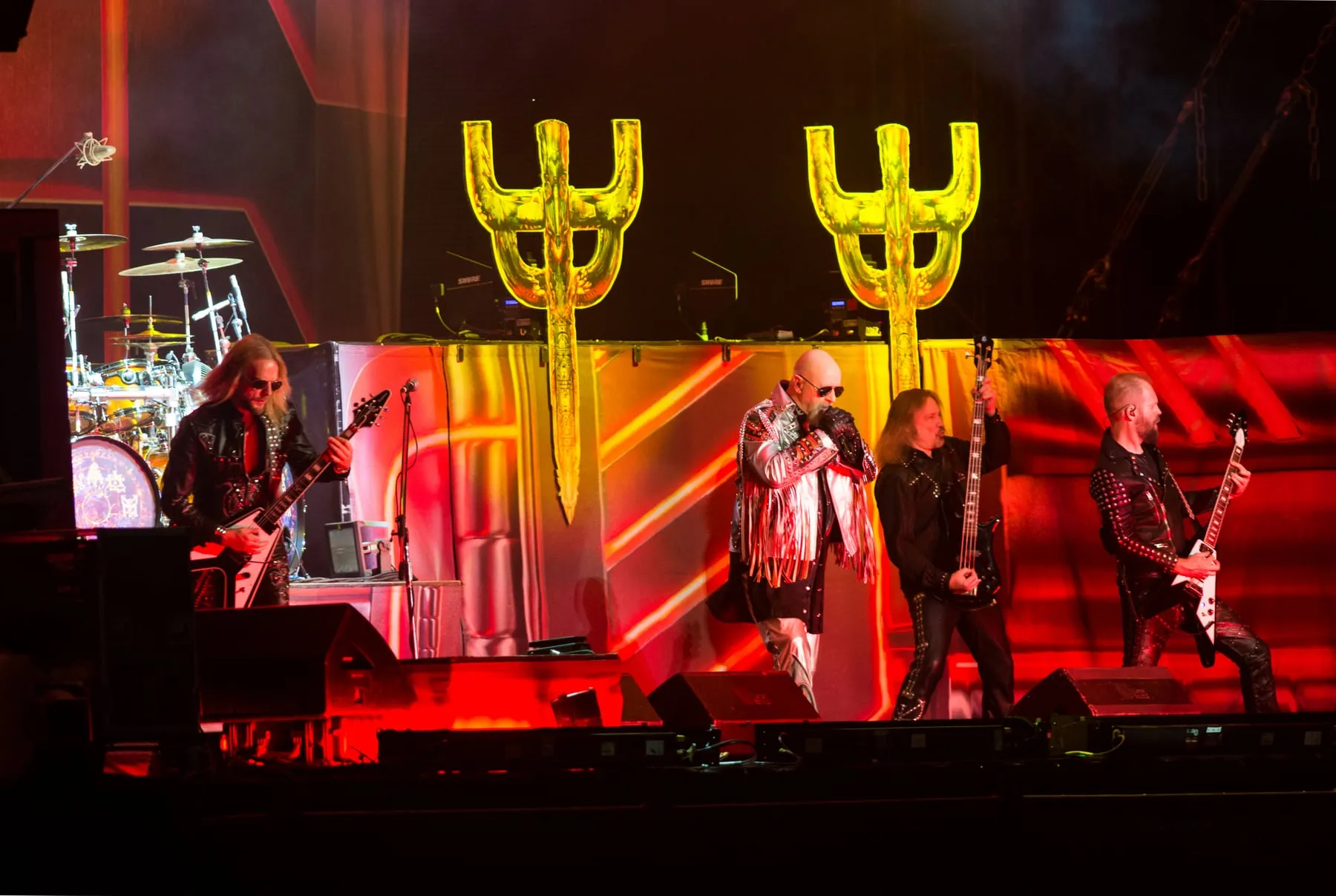
Photo by Frank Schwichtenberg , licensed under CC BY-SA 4.0 · Wikimedia Commons
Rank #63
Judas Priest
Birmingham metal lifers who codified the leather-and-steel metal aesthetic.
From Wikipedia
Judas Priest are an English heavy metal band formed in Birmingham in 1969. They have sold over 50 million albums and are frequently ranked as one of the greatest metal bands of all time. They have been referred to as one of the pioneers of the new wave of British heavy metal (NWOBHM) movement, and cited as a formative influence on various metal subgenres, including speed metal, thrash metal, and power metal, as well as the hard rock and glam metal scene of the 1980s. Despite an innovative and pioneering body of work in the latter half of the 1970s, the band struggled with poor record production and a lack of major commercial success until 1980, when their sixth studio album British Steel brought them notable mainstream attention.
Members
- Rob Halford (2003–present)
- Al Atkins
- Alan Moore
- Chris Campbell
- Dave Holland
- Glenn Tipton
- Ian Hill
- John Hinch
- K. K. Downing
- Les Binks
- Richie Faulkner
- Scott Travis
- Simon Phillips
- Tim "Ripper" Owens
Studio Albums
- 1974 Rocka Rolla
- 1976 Sad Wings of Destiny
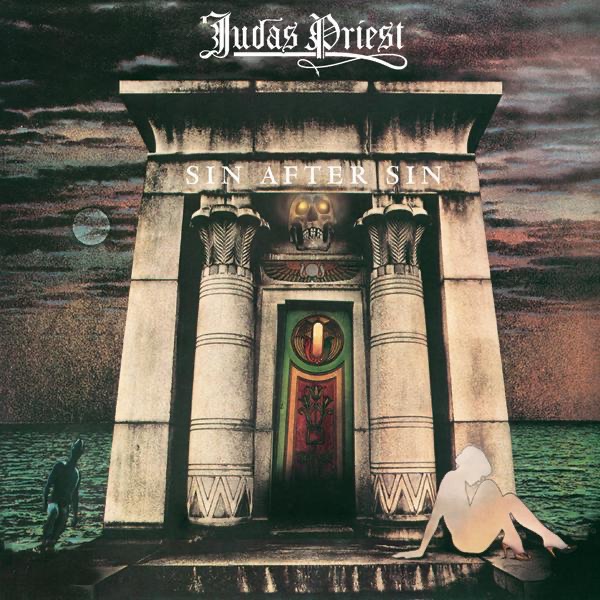
- 1977 Sin After Sin
- 1978 Killing Machine
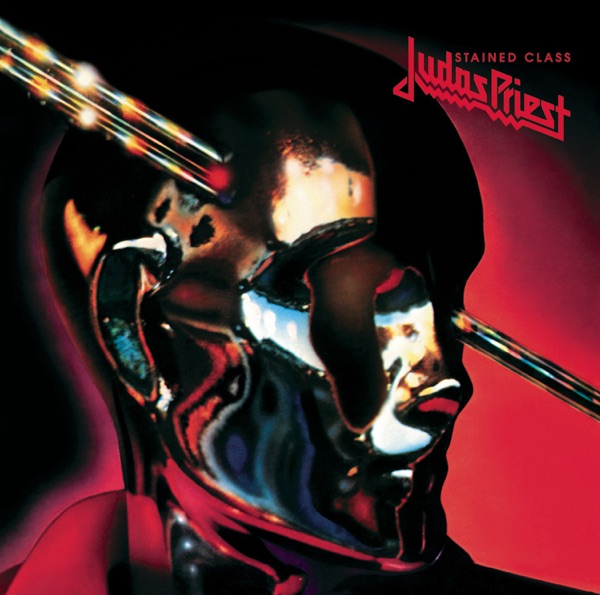
- 1978 Stained Class
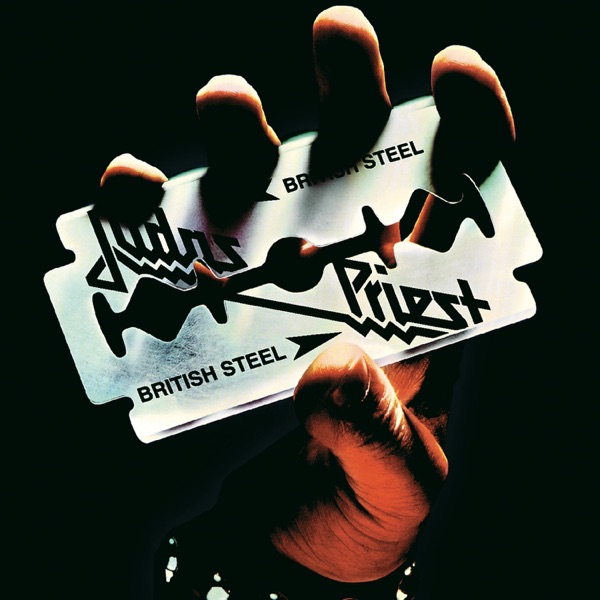
- 1980 British Steel
- 1981 Point of Entry
- 1982 Screaming for Vengeance
- 1984 Defenders of the Faith
- 1986 Turbo
- 1988 Ram It Down
- 1990 Painkiller
- 1997 Jugulator
- 2001 Demolition
- 2005 Angel of Retribution
- 2008 Nostradamus
- 2014 Redeemer of Souls
- 2018 Firepower
- 2024 Invincible Shield
Source: MusicBrainz
Deep Dive
Overview
Judas Priest are an English heavy metal band formed in Birmingham in 1969, and among the most enduring and influential acts in the genre’s history. Though they struggled commercially through much of the 1970s, their 1980 album British Steel marked a watershed moment that established them as a major force in mainstream rock. The band’s body of work across four decades has been foundational to heavy metal’s evolution and aesthetics, setting templates that speed metal, thrash metal, and power metal would adopt and build upon. With over 50 million albums sold and a reputation as pioneers of the New Wave of British Heavy Metal (NWOBHM), Judas Priest stand among the genre’s most formative voices.
Formation Story
Judas Priest emerged from Birmingham’s musical landscape in 1969, a city that would become synonymous with heavy metal’s birth. The band’s lineup solidified around founding members Ian Hill and Glenn Tipton, both of whom remained central to the group’s identity for decades. Early drummers and guitarists cycled through the ensemble—John Hinch, K.K. Downing, and others—as the band refined its sound in small venues and recording studios. Birmingham’s industrial character and the era’s rock scene provided fertile ground for the heavy, blues-inflected metal that would come to define the city’s contribution to rock music.
Breakthrough Moment
The band’s trajectory shifted decisively with the 1980 release of British Steel. After years of critically respected but commercially marginal releases, British Steel achieved notable mainstream attention and marked the turning point in their career. The album’s success proved that Judas Priest’s uncompromising metal vision could reach audiences beyond the underground, establishing them as leaders of the NWOBHM movement rather than fringe experimentalists. The momentum from British Steel carried into subsequent releases, solidifying their place in metal’s upper tier and opening doors to larger tours, wider radio play, and international recognition that had previously eluded them.
Peak Era
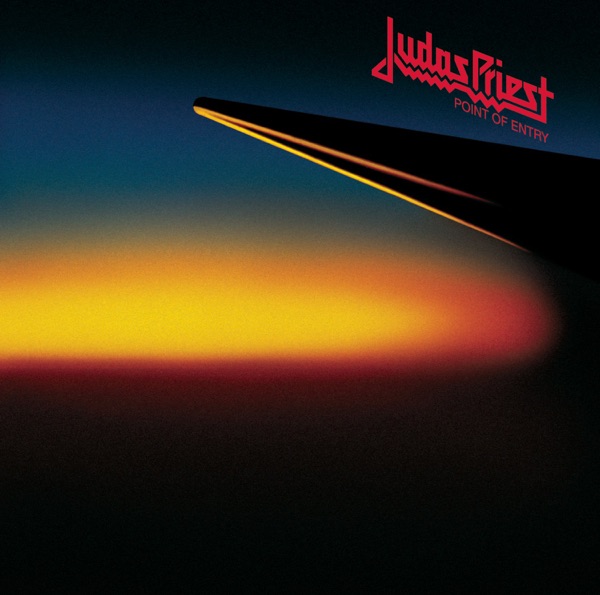
The 1980s became Judas Priest’s decade of sustained creative and commercial triumph. Following British Steel, the band released Point of Entry (1981), Screaming for Vengeance (1982), and Defenders of the Faith (1984)—a run of records that deepened their influence across metal and hard rock audiences. Each album refined the band’s signature sound while pushing into new territory; the albums demonstrated technical proficiency, songwriting maturity, and an evolving visual identity that extended beyond music into fashion and aesthetic. The addition of Scott Travis on drums and contributions from Richie Faulkner and others in later years kept the band’s lineup fresh while maintaining creative continuity. This era established Judas Priest not merely as survivors but as innovators who could command arenas and festival stages worldwide.
Musical Style
Judas Priest’s sound draws from heavy blues rock and traditional metal foundations but forges its own territory through precision, speed, and a dual-guitar approach that became a hallmark of the band’s identity. Glenn Tipton and K.K. Downing (and later Richie Faulkner) wielded guitars as instruments of both melodic and rhythmic power, creating intertwining riffs and solos that prioritized clarity and intensity over excess. Rob Halford’s operatic, soaring vocal delivery—entering the band in 2003 after earlier frontman Tim “Ripper” Owens—brought a theatrical dimension that elevated the band’s arrangements. The rhythm section, anchored by Ian Hill’s driving bass and Scott Travis’s technically adept drumming, provided a propulsive foundation that drove even the slowest songs forward. Lyrically, the band often explored themes of conflict, resilience, and metallic imagery. Over time, Judas Priest’s style incorporated elements of speed metal and power metal without abandoning their foundational heavy metal identity, making them a bridge between traditional metal and its faster, more technical offshoots.
Major Albums
British Steel (1980)
The album that changed everything for Judas Priest, British Steel marked their transition from cult status to mainstream recognition. Its combination of accessible songwriting and undiminished heaviness made it a crossover moment that proved metal could reach beyond devoted underground audiences.
Screaming for Vengeance (1982)
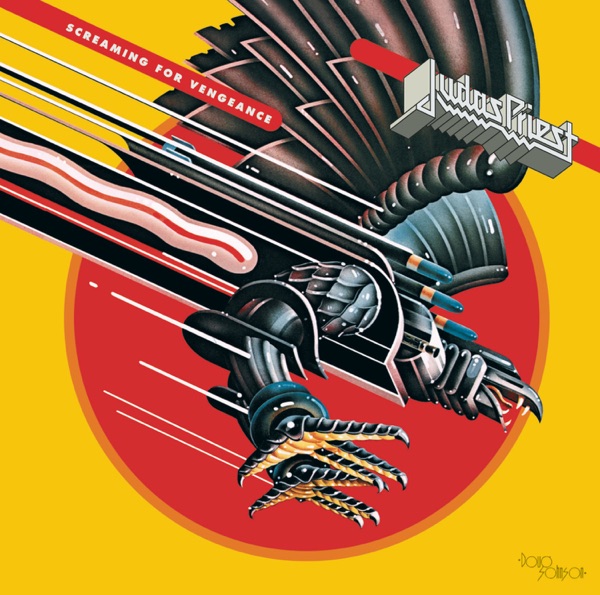
Released at the height of their early momentum, Screaming for Vengeance deepened the band’s technical prowess and songwriting sophistication while maintaining the direct, powerful aesthetic that made British Steel successful.
Defenders of the Faith (1984)
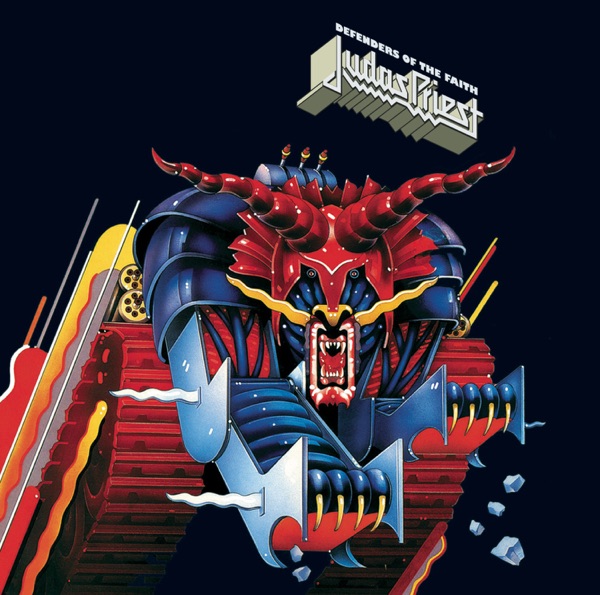
This album solidified Judas Priest’s status as metal’s intellectual and technical leaders, balancing complex arrangements with the visceral impact that defined their live presence and studio recordings.
Painkiller (1990)
A masterwork of technical metal that showcased the band’s ability to evolve without compromise, Painkiller demonstrated that their creative fire remained undiminished after a decade of prominence.
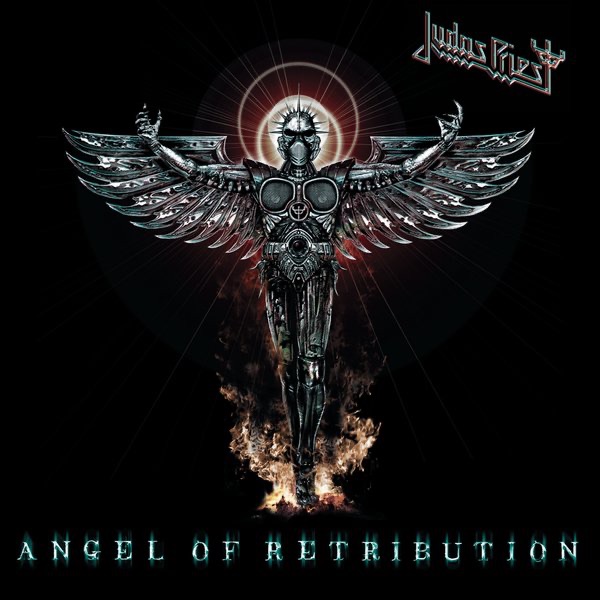
Angel of Retribution (2005)
Reuniting the classic K.K. Downing and Glenn Tipton partnership, Angel of Retribution marked a creative renewal and proved the band’s ability to remain vital decades into their career.
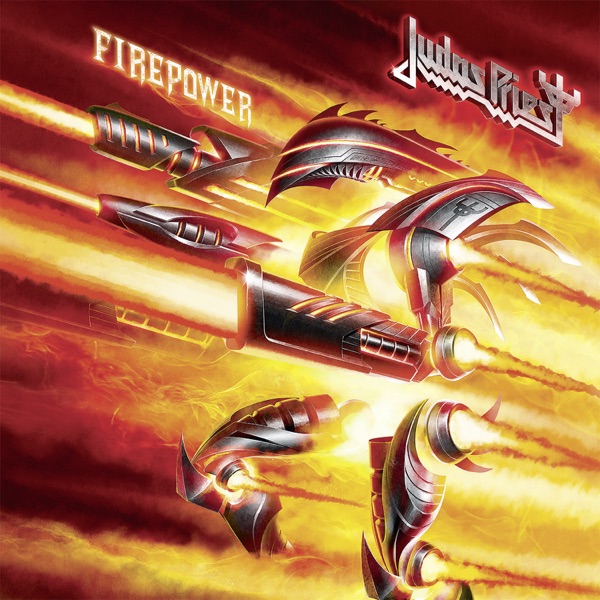
Firepower (2018)
A late-career statement of intent, Firepower showed a band still engaged with heavy metal’s present while remaining rooted in the sound they helped pioneer.
Signature Songs
- “Breaking the Law” — A defining anthem that became synonymous with Judas Priest’s commercial peak and remains one of metal’s most recognizable tracks.
- “Electric Eye” — A showcase for the band’s dual-guitar prowess and thematic ambition, exploring surveillance and technological anxiety.
- “You’ve Got Another Thing Comin’” — An arena-filling declaration of defiance that exemplifies the band’s gift for converting metal ferocity into mainstream-accessible hooks.
- “Metal Gods” — A hymn to heavy metal itself, celebrating the genre and its community with the conviction that only true believers could muster.
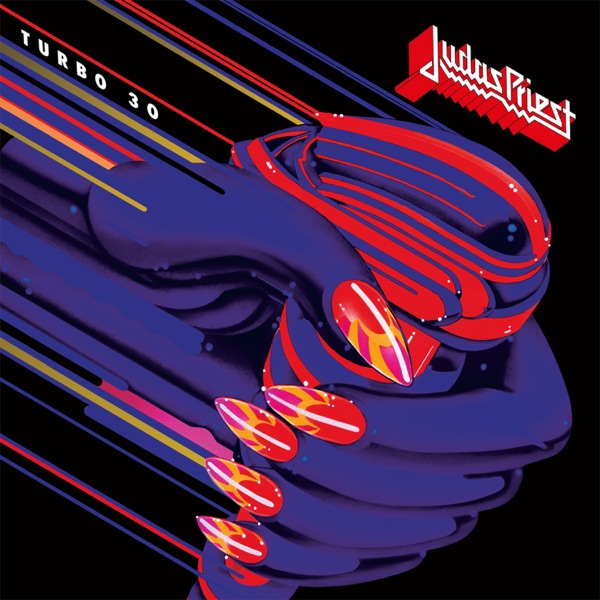
- “Turbo Lover” — A synth-tinged venture into the 1980s zeitgeist that proved Judas Priest could experiment while retaining their essential character.
Influence on Rock
Judas Priest’s influence extends far beyond traditional heavy metal into virtually every metal subgenre that emerged after their breakthrough. Speed metal and thrash metal bands cite the band’s technical precision and intensity as foundational; the twin-guitar interplay that K.K. Downing and Glenn Tipton perfected became a template that countless metal acts adopted. Power metal’s melodic yet propulsive approach owes a considerable debt to Judas Priest’s synthesis of accessibility and uncompromised heaviness. The band’s visual identity—the leather and steel aesthetic, the unapologetic commitment to metal iconography—became archetypal, influencing how metal bands presented themselves for decades. Beyond metal, their reach extended into the hard rock and glam metal scenes of the 1980s, where their synthesis of technical musicianship and theatrical presentation found kindred spirits. As pioneers of the NWOBHM movement, Judas Priest helped establish Britain as a primary source for heavy metal innovation and legitimized the genre as a serious artistic pursuit.
Legacy
Judas Priest’s legacy rests on their unbroken commitment to heavy metal across more than five decades. With over 50 million albums sold and sustained touring that continues into the 2020s, the band has proven that metal’s appeal transcends generational boundaries and commercial trends. Their catalog from 1980 onward stands as a template for how a metal band can achieve commercial success without artistic compromise. Subsequent reissues, continued touring, and the 2024 release of Invincible Shield demonstrate that the band remains creatively engaged rather than merely trading on past achievements. In metal circles and in mainstream rock history, Judas Priest occupy a position alongside Black Sabbath, Led Zeppelin, and other foundational acts—not as nostalgic artifacts but as living influences whose work continues to shape how heavy metal is understood and created.
Fun Facts
- Judas Priest’s 1980s visual identity—leather jackets, studs, and motorcycle aesthetic—became so synonymous with heavy metal that the imagery remains instantly recognizable decades later, influencing how metal bands present themselves across genres.
- The band’s lineup has included multiple notable frontmen beyond Rob Halford, including Tim “Ripper” Owens and Al Atkins, reflecting the group’s evolution and its ability to maintain creative vitality through membership changes.
- Despite forming in 1969, Judas Priest did not achieve major commercial success until their sixth studio album, British Steel, demonstrating that persistence and artistic conviction can eventually overcome market resistance.
- The dual-guitar approach pioneered by K.K. Downing and Glenn Tipton became so influential that it remains a standard configuration in heavy metal and power metal bands worldwide.
Discography & Previews
Click any album to expand its track list. Each track plays a 30-second preview streamed from Apple Music. Tap the link icon next to a track to open it in Apple Music for full playback.


- 1 The Hellion ↗ 0:42
- 2 Electric Eye ↗ 3:39
- 3 Riding On the Wind ↗ 3:10
- 4 Bloodstone ↗ 3:51
- 5 (Take These) Chains ↗ 3:05
- 6 Pain and Pleasure ↗ 4:14
- 7 Screaming for Vengeance ↗ 4:43
- 8 You've Got Another Thing Comin' ↗ 5:10
- 9 Fever ↗ 5:20
- 10 Devil's Child ↗ 4:47
- 11 Prisoner of Your Eyes ↗ 7:11
- 12 Devil's Child (Live at Mid-South Coliseum, Memphis, TN, 12/12/82) ↗ 5:03
- 1 Freewheel Burning ↗ 4:24
- 2 Jawbreaker ↗ 3:26
- 3 Rock Hard Ride Free ↗ 5:34
- 4 The Sentinel ↗ 5:02
- 5 Love Bites ↗ 4:48
- 6 Eat Me Alive ↗ 3:36
- 7 Some Heads Are Gonna Roll ↗ 4:08
- 8 Night Comes Down ↗ 4:00
- 9 Heavy Duty ↗ 2:26
- 10 Defenders of the Faith ↗ 1:27
- 11 Turn On Your Light ↗ 5:24
- 12 Heavy Duty / Defenders of the Faith (Live) ↗ 5:26


- 1 Painkiller ↗ 6:06
- 2 Hell Patrol ↗ 3:37
- 3 All Guns Blazing ↗ 3:57
- 4 Leather Rebel ↗ 3:35
- 5 Metal Meltdown ↗ 4:48
- 6 Night Crawler ↗ 5:44
- 7 Between the Hammer & the Anvil ↗ 4:49
- 8 A Touch of Evil ↗ 5:44
- 9 Battle Hymn ↗ 0:56
- 10 One Shot at Glory ↗ 6:48
- 11 Living Bad Dreams ↗ 5:22
- 12 Leather Rebel (Live) ↗ 3:40
- 1 Dawn of Creation ↗ 2:32
- 2 Prophecy ↗ 5:26
- 3 Awakening ↗ 0:53
- 4 Revelations ↗ 7:05
- 5 The Four Horseman ↗ 1:35
- 6 War ↗ 5:04
- 7 Sands of Time ↗ 2:37
- 8 Pestilence and Plague ↗ 5:09
- 9 Death ↗ 7:34
- 10 Peace ↗ 2:22
- 11 Conquest ↗ 4:42
- 12 Lost Love ↗ 4:28
- 13 Persecution ↗ 6:34
- 14 Solitude ↗ 1:23
- 15 Exiled ↗ 6:33
- 16 Alone ↗ 7:50
- 17 Shadows In the Flame ↗ 1:10
- 18 Visions ↗ 5:24
- 19 Hope ↗ 2:09
- 20 New Beginnings ↗ 4:57
- 21 Calm Before the Storm ↗ 2:05
- 22 Nostradamus ↗ 6:43
- 23 Future of Mankind ↗ 8:30

- 1 Dragonaut ↗ 4:26
- 2 Redeemer of Souls ↗ 3:59
- 3 Halls of Valhalla ↗ 6:04
- 4 Sword of Damocles ↗ 4:55
- 5 March of the Damned ↗ 3:56
- 6 Down In Flames ↗ 3:55
- 7 Hell & Back ↗ 4:46
- 8 Cold Blooded ↗ 5:25
- 9 Metalizer ↗ 4:38
- 10 Crossfire ↗ 3:51
- 11 Secrets of the Dead ↗ 5:41
- 12 Battle Cry ↗ 5:18
- 13 Beginning of the End ↗ 5:08
- 1 Firepower ↗ 3:27
- 2 Lightning Strike ↗ 3:29
- 3 Evil Never Dies ↗ 4:23
- 4 Never the Heroes ↗ 4:24
- 5 Necromancer ↗ 3:33
- 6 Children of the Sun ↗ 4:00
- 7 Guardians ↗ 1:06
- 8 Rising from Ruins ↗ 5:23
- 9 Flame Thrower ↗ 4:34
- 10 Spectre ↗ 4:26
- 11 Traitors Gate ↗ 5:43
- 12 No Surrender ↗ 2:54
- 13 Lone Wolf ↗ 5:09
- 14 Sea of Red ↗ 5:52
