
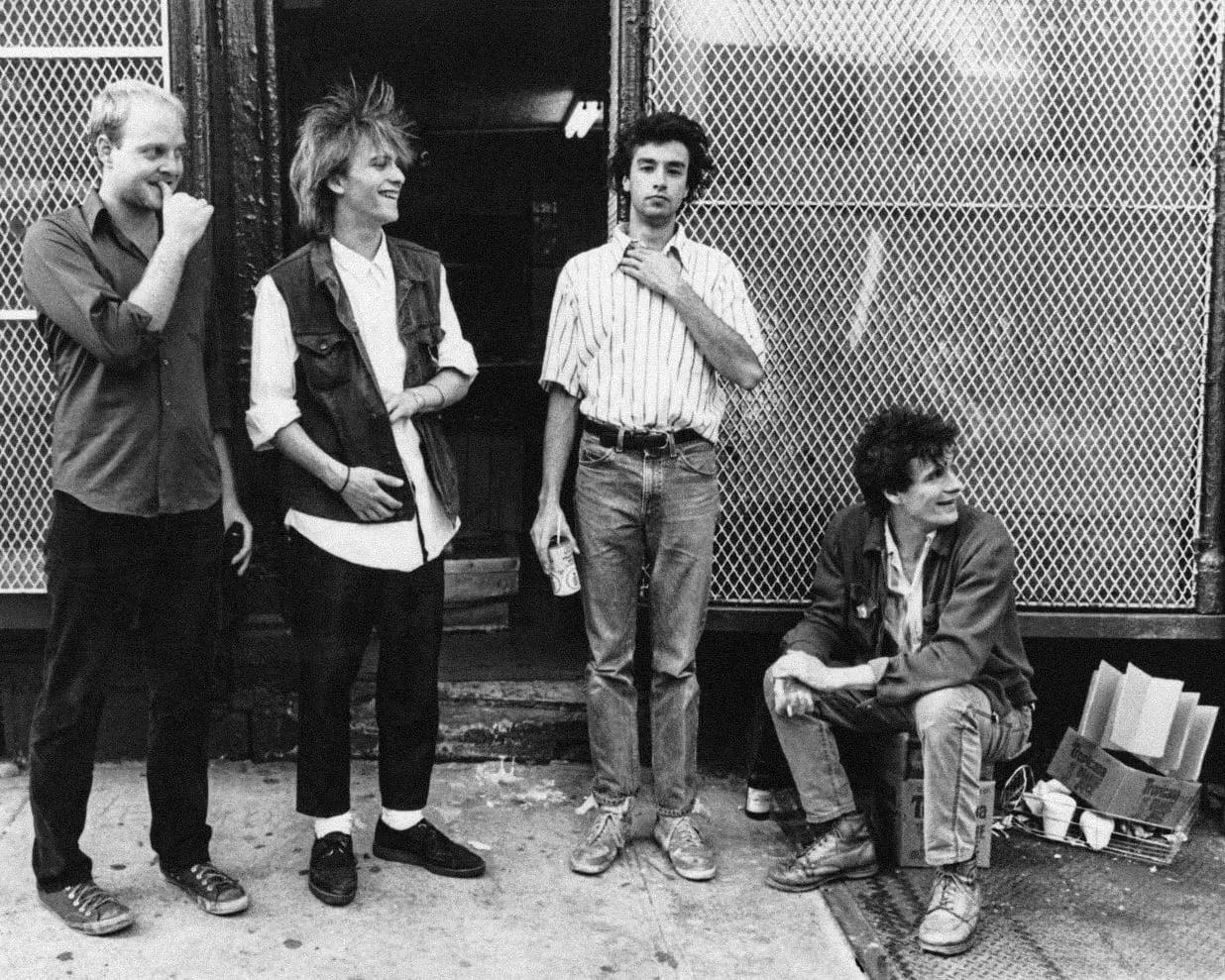
Photo by Laura Levine , licensed under Public domain · Wikimedia Commons
Rank #138
The Replacements
Minneapolis ramshackle rockers beloved for songwriting and chaos in equal measure.
From Wikipedia
The Replacements were an American rock band formed in Minneapolis, Minnesota, in 1979. The band was composed of the guitarist and vocalist Paul Westerberg, guitarist Bob Stinson, bass guitarist Tommy Stinson, and drummer Chris Mars for most of its existence. After two albums in the style of punk rock, they became one of the main pioneers of alternative rock with their acclaimed albums Let It Be and Tim. Bob Stinson was kicked out of the band in 1986, and Slim Dunlap joined as lead guitarist. Steve Foley replaced Mars in 1990. Towards the end of the band's career, Westerberg exerted more control over its creative output. The group disbanded in 1991 and the members found various projects. A reunion was announced on October 3, 2012. Fans affectionately refer to the band as the 'Mats, a nickname which originated as a truncation of "The Placemats".
Members
- Paul Westerberg
- Slim Dunlap
Studio Albums
- 1981 Sorry Ma, Forgot to Take Out the Trash
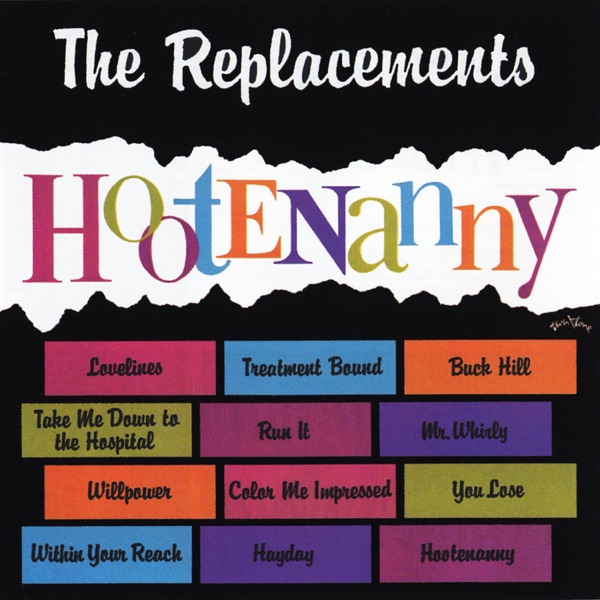
- 1983 Hootenanny
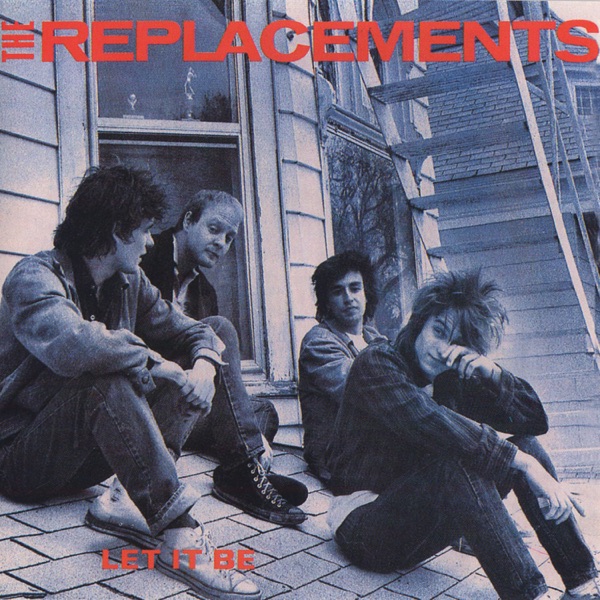
- 1984 Let It Be
- 1985 Tim
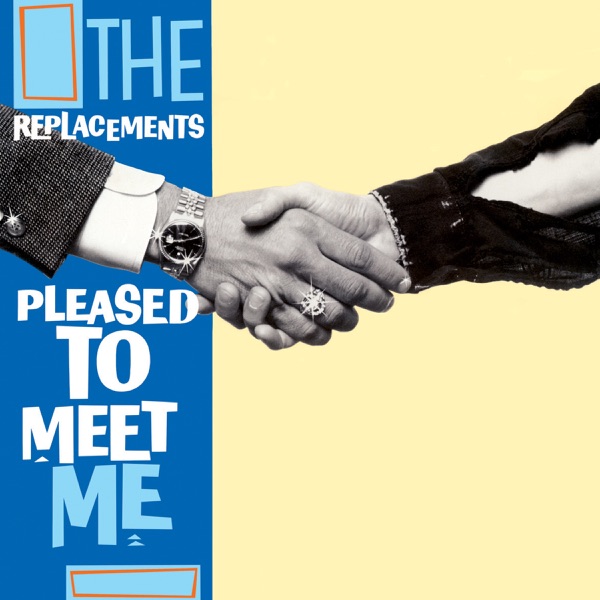
- 1987 Pleased to Meet Me
- 1989 Don’t Tell a Soul
- 1990 All Shook Down
- — How Did the Vomit Get Up on the Ceiling?
Source: MusicBrainz
Deep Dive
Overview
The Replacements were an American rock band formed in Minneapolis, Minnesota, in 1979 that bridged punk’s raw energy with the songwriting sophistication and emotional vulnerability of alternative rock. Often referred to affectionately as the ‘Mats by their devoted following, they became one of the principal architects of alternative rock in the 1980s, moving from a punk foundation through increasingly thoughtful and layered compositions. Their trajectory from Minneapolis garage noise to nationally recognized artists demonstrated that serious songcraft and stylistic evolution need not compromise the band’s fundamental recklessness and charm.
Formation Story
The Replacements coalesced in Minneapolis in 1979 around the core partnership of guitarist and vocalist Paul Westerberg and guitarist Bob Stinson. They were joined by bassist Tommy Stinson and drummer Chris Mars, a lineup that would define the band through its most creatively fertile years. Minneapolis in the late 1970s and early 1980s lacked the commercial infrastructure or established scenes of coastal cities; the band operated within a scrappy, self-sufficient regional music culture that valued authenticity over marketability. From these unglamorous origins, the Replacements recorded and toured with the kind of commitment and unpredictability that would come to characterize their reputation.
Breakthrough Moment
The Replacements’ first two albums, Sorry Ma, Forgot to Take Out the Trash (1981) and Hootenanny (1983), established them within the punk and hardcore underground, but it was Let It Be (1984) that marked their arrival as a fully realized band with something new to say. The album balanced the melodic hooks and emotional directness of pop songwriting against a guitar-driven rock sound rooted in power pop and post-punk tradition. Let It Be made them visible to college radio and alternative press outlets, setting the stage for Tim (1985), which deepened their popular and critical standing and proved that the breakthroughs of Let It Be were not a one-album phenomenon.
Peak Era
The years between 1984 and 1989 represent the Replacements’ most significant period, encompassing Let It Be, Tim, Pleased to Meet Me (1987), and Don’t Tell a Soul (1989). These albums refined the band’s voice with each iteration: more sophisticated arrangements, more introspective lyrics, and a willingness to experiment with production and instrumentation while maintaining the emotional urgency that defined their appeal. During this stretch, the band evolved from cult heroes into a fixture of alternative rock’s expanding mainstream presence. Bob Stinson was kicked out of the band in 1986, and Slim Dunlap joined as lead guitarist, stabilizing the lineup and contributing to the more assured sound of Pleased to Meet Me and beyond. This era also saw Westerberg gradually assert greater control over the band’s creative direction, moving them away from the collaborative chaos of earlier years toward a more singular artistic vision.
Musical Style
The Replacements’ sound fused punk rock’s directness and energy with the melodic architecture of 1960s power pop and the guitar sophistication of post-punk. Paul Westerberg’s vocals ranged from sneering, half-spoken verses to soaring, emotionally vulnerable choruses, often within the same song, lending an unpredictability and human quality to their records. The twin-guitar interplay between Westerberg and Bob Stinson (later Slim Dunlap) created textures that were both muscular and nuanced, capable of delivering hook-driven pop songs or sprawling rock arrangements with equal conviction. Tommy Stinson’s bass lines were melodically prominent rather than rhythmically anonymous, and Chris Mars’s drumming anchored the band without sacrificing the looseness that made their records sound alive and occasionally ragged. Over time, the band’s production became more refined, moving from the deliberately rough sound of their early punk records toward something more lush and carefully arranged, though never losing the underlying tension and emotional authenticity that made even their polished moments feel raw.
Major Albums
Let It Be (1984)
The album that established the Replacements as more than a punk underground act, Let It Be demonstrated that the band could write instantly memorable rock songs with genuine emotional depth. It remains their most focused and consistent statement, balancing accessibility with artistic integrity.
Tim (1985)
Following directly on Let It Be, Tim proved the band’s ability to evolve and deepen their sound, incorporating more complex arrangements and exploring vulnerability alongside the swagger that defined their earlier work. The album solidified their status as central figures in alternative rock.
Pleased to Meet Me (1987)
With Slim Dunlap now in the lineup, Pleased to Meet Me showcased a more deliberate and orchestrated version of the Replacements’ sound, incorporating country-rock textures and a sophistication that reflected Westerberg’s growing influence over the songwriting and arrangement process.
Don’t Tell a Soul (1989)
The final album of the band’s primary active period, Don’t Tell a Soul found Westerberg in control of both songwriting and production, resulting in their most polished and introspective work, though some longtime listeners felt the controlled approach sacrificed the unpredictable edge of earlier releases.
Signature Songs
- “I Will Dare” — A power-pop anthem that became the closest the Replacements came to a mainstream radio hit, combining earnest emotion with irresistible melody.
- “Gary’s Got a Boner” — A punk-rock blast from their early period, showcasing the band’s provocative humor and raw energy.
- “Skyway” — A showcase for Paul Westerberg’s ability to deliver genuine emotional resonance within a rock framework, becoming one of the band’s most beloved songs.
- “Unsatisfied” — A bridge between punk rawness and pop accessibility, balancing aggression with vulnerability.
Influence on Rock
The Replacements occupied a crucial position in the transition from punk and post-punk toward alternative rock’s mainstream emergence in the late 1980s and 1990s. They demonstrated that punk rock’s ethos of rebellion and authenticity could coexist with sophisticated songwriting, emotional openness, and genre-blending experimentation. Bands across the alternative rock spectrum drew lessons from their example: the willingness to evolve without selling out, the integration of pop melody into rock structures, and the cultivation of a passionate cult fanbase. Their influence extended beyond strictly rock contexts, touching indie rock, power pop, and songwriting-focused alternative artists who valued emotional honesty over stylistic consistency.
Legacy
The Replacements disbanded in 1991 at the height of alternative rock’s commercial breakthrough, a decision that left many observers wondering what they might have accomplished in the newly receptive mainstream landscape. The band reunited in 2012, with that reunion announced on October 3, 2012, allowing new and longtime audiences to experience their music in concert. The Replacements’ recorded output from the 1984–1989 period has achieved classic status among critics and devoted listeners, their best albums continuing to yield new details upon repeated listening. Paul Westerberg’s later solo career and the band’s periodic reunions have kept their name in circulation, though their most significant cultural work remains the albums and the reputation they built in Minneapolis and across the alternative rock underground.
Fun Facts
- Fans affectionately refer to the band as the ‘Mats, a nickname that originated as a truncation of “The Placemats.”
- The band released their first two albums on the independent Twin/Tone Records label before signing to Sire, demonstrating the gradual crossover from underground to mainstream distribution that characterized alternative rock’s rise.
- The Replacements’ reputation for unpredictability extended to live performances, which were known for their raw energy and occasional chaotic elements, making them as much a social event as a musical one for devoted fans.
Discography & Previews
Click any album to expand its track list. Each track plays a 30-second preview streamed from Apple Music. Tap the link icon next to a track to open it in Apple Music for full playback.
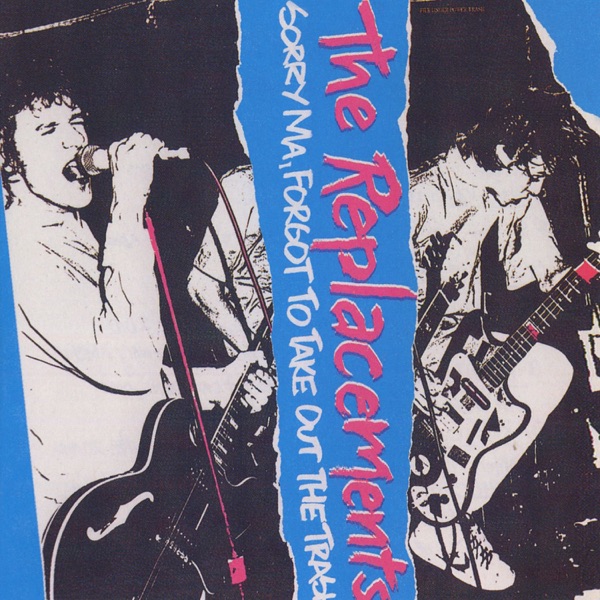
- 1 Takin' a Ride ↗ 2:23
- 2 Careless ↗ 1:08
- 3 Customer ↗ 1:29
- 4 Hangin' Downtown ↗ 2:07
- 5 Kick Your Door Down ↗ 3:11
- 6 Otto ↗ 2:09
- 7 I Bought a Headache ↗ 2:24
- 8 Rattlesnake ↗ 1:48
- 9 I Hate Music ↗ 1:51
- 10 Johnny's Gonna Die ↗ 3:33
- 11 Shiftless When Idle ↗ 2:19
- 12 More Cigarettes ↗ 1:20
- 13 Don't Ask Why ↗ 1:57
- 14 Somethin to Dü ↗ 1:41
- 15 I'm In Trouble ↗ 2:11
- 16 Love You Till Friday ↗ 1:53
- 17 Shutup ↗ 1:23
- 18 Raised In the City ↗ 1:59



- 1 Merry Go Round ↗ 3:40
- 2 One Wink At a Time ↗ 3:05
- 3 Nobody ↗ 3:08
- 4 Bent Out of Shape ↗ 3:46
- 5 Sadly Beautiful ↗ 3:16
- 6 Someone Take the Wheel ↗ 3:42
- 7 When It Began ↗ 3:07
- 8 All Shook Down ↗ 3:16
- 9 Attitude ↗ 2:43
- 10 Happy Town ↗ 2:55
- 11 Torture ↗ 1:52
- 12 My Little Problem ↗ 4:04
- 13 The Last ↗ 2:55