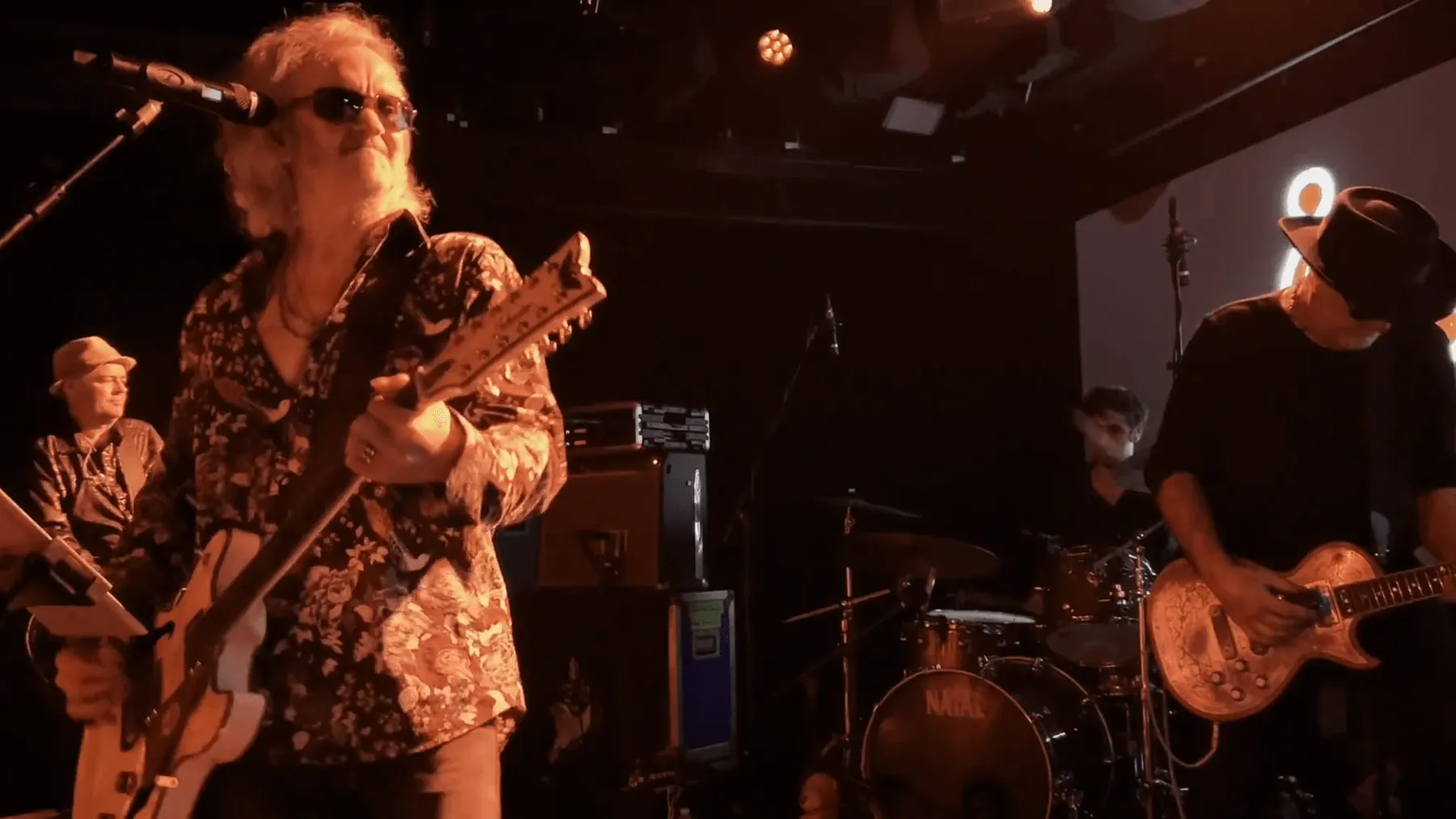
Photo by Breedsblood1 , licensed under CC BY-SA 3.0 · Wikimedia Commons
Rank #353
The Mission
Leeds gothic-rock band founded by ex-Sisters of Mercy members.
From Wikipedia
The Mission are an English gothic rock band formed in 1986. Initially known as the Sisterhood, the band was started by frontman Wayne Hussey and bassist Craig Adams, soon adding drummer Mick Brown and guitarist Simon Hinkler. Aside from Hussey, the lineup has changed several times over the years, and the band has been on hiatus twice.
Members
- Wayne Hussey
Deep Dive
Overview
The Mission are an English gothic rock band formed in Leeds in 1986 by Wayne Hussey and Craig Adams, both formerly of the Sisters of Mercy. Emerging from the post-punk and gothic rock landscape of the mid-1980s, the band established themselves as a significant force in the wider alternative and gothic rock scenes, balancing atmospheric production with accessible songwriting. Their work across three decades has positioned them as stalwarts of the gothic-rock tradition, a lineage that traces through Sisters of Mercy and extends into the broader alternative-rock ecosystem.
Formation Story
The Mission began in 1986 when Wayne Hussey and bassist Craig Adams departed the Sisters of Mercy to form what was initially called the Sisterhood. The pair quickly assembled a complete lineup by recruiting drummer Mick Brown and guitarist Simon Hinkler, establishing the classic four-piece that would record their first albums. Based in Leeds, the band inherited both the sonic template and underground credibility of the post-punk and gothic-rock movements that had gathered momentum throughout the 1980s. Their formation occurred at a moment when gothic rock was consolidating into a recognizable subgenre, with clear visual and musical codes—dark production, layered guitar textures, dramatic vocal delivery—that The Mission would adopt and refine throughout their early years.
Breakthrough Moment
The Mission’s debut album Gods Own Medicine, released in 1986, introduced the band’s sound to a wider audience and established the template for their early work. The follow-up, The First Chapter (1987), built on that foundation and solidified their reputation within the gothic and alternative-rock underground. By their third studio album, Children (1988), The Mission had developed sufficient momentum and a loyal fanbase that extended beyond the UK, marking their transition from emergent act to established touring and recording concern. These three early albums in rapid succession—all appearing within the span of two years—demonstrated the band’s prolific output and commitment to refining their craft during a critical period of artistic development.
Peak Era
The band’s most commercially successful and creatively vital period spanned the late 1980s and early 1990s, a stretch that encompassed the release of Carved in Sand (1990) and Masque (1992). During this interval, The Mission consolidated their position as major figures in the gothic-rock landscape, touring extensively and building a dedicated international fanbase. The energy and ambition evident across these records—particularly the atmospheric density and production sophistication—represented the band at their creative peak. After the release of Masque, the band experienced their first hiatus, a temporary dissolution that marked the end of this initial era of intensive activity and suggested internal pressures or creative reassessment.
Musical Style
The Mission’s sound draws from the post-punk foundation established by bands like Joy Division and wire, filtered through the gothic-rock vocabulary of the Sisters of Mercy and Bauhaus. Their arrangements typically feature layered, effects-laden guitars that create an enveloping sonic environment, underpinned by propulsive bass lines and precise, often martial drumming. Wayne Hussey’s vocals—varied between spoken-word passages, sung delivery, and atmospheric effects—became a signature element, often mixed high in the production to convey both vulnerability and authority. The band’s approach to production emphasizes space and shadow, with reverb and delay integral to the overall texture rather than mere decoration. Over their career, the band’s sound evolved from the denser, more experimental work of the late 1980s toward slightly more straightforward songwriting in the 1990s, though gothic atmosphere remained a constant.
Major Albums
Gods Own Medicine (1986)
The Mission’s debut established their core sonic identity—atmospheric, dark, and rhythmically precise—and introduced audiences to their approach to gothic rock with enough accessibility to gain airplay beyond the underground.
The First Chapter (1987)
The second album refined the band’s commercial instincts while maintaining the dense production and moody introspection that defined their early work, cementing their reputation in the UK alternative scene.
Children (1988)
By their third record, The Mission demonstrated increasing confidence in songwriting and production sophistication, with Children marking a high point of their early creative period before the band’s first hiatus.
Carved in Sand (1990)
Released after a brief gap, this album saw the band reigniting their momentum with material that balanced accessibility and artistic depth, helping to establish their status as major touring and recording act.
Masque (1992)
The band’s fifth studio album represented the culmination of their early-1990s resurgence, combining their signature gothic atmosphere with sharper songwriting and confident production before another extended break.
Neverland (1995)
Following another hiatus, the band returned with Neverland, demonstrating their continued relevance and capacity to evolve their sound within the gothic-rock framework.
Signature Songs
- “Wasteland” — An early-era staple that showcases the band’s mastery of atmosphere and dramatic vocal delivery.
- “Like a Child Again” — A mid-period composition exemplifying the Mission’s gift for memorable melodies wrapped in gothic production.
- “Hands Across the Sea” — A track that balanced the band’s darker impulses with more direct songwriting sensibility.
- “Into Your Heart” — One of their most recognized works, demonstrating the band’s ability to craft emotionally resonant material within the gothic idiom.
Influence on Rock
The Mission occupied an important position in the lineage of gothic rock and post-punk, serving as a bridge between the earlier Sisters of Mercy and subsequent generations of darkwave and alternative-rock acts. Their consistent output and touring presence helped maintain interest in gothic-rock aesthetics and production values during periods when mainstream rock pursued different directions. The band’s longevity—operating through multiple breakups and reunions—established a template for sustained alternative-rock careers outside major-label support. Their influence extends to later gothic and industrial-adjacent acts who drew on the atmospheric, layered approach to production and dark thematic content that The Mission helped popularize.
Legacy
The Mission’s career, marked by cycles of intense activity and strategic withdrawal, established them as significant figures in the enduring gothic-rock tradition. Their decision to reunite multiple times and continue recording into the 2010s—with albums including The Brightest Light (2013) and Another Fall from Grace (2016)—demonstrates the band’s commitment to their artistic vision across decades. The band’s sustained presence through touring and periodic new recordings has kept them relevant within the dedicated gothic and alternative-rock communities, where their influence remains recognizable in the ongoing production and reception of related music. Their status as post-punk progenitors who successfully transitioned into elder statesmen of gothic rock has secured their position in the broader narrative of alternative-rock history.
Fun Facts
- The band was initially called the Sisterhood, a name they later abandoned amid confusion with other projects bearing similar names.
- The Mission recorded and released five studio albums within their first six years of existence, establishing a prolific pace that distinguished them among their gothic-rock contemporaries.
- Wayne Hussey and Craig Adams’ collaborative partnership, spanning from their time in the Sisters of Mercy through their entire Mission career, represents one of the longer-lasting creative partnerships in post-punk and gothic-rock history.