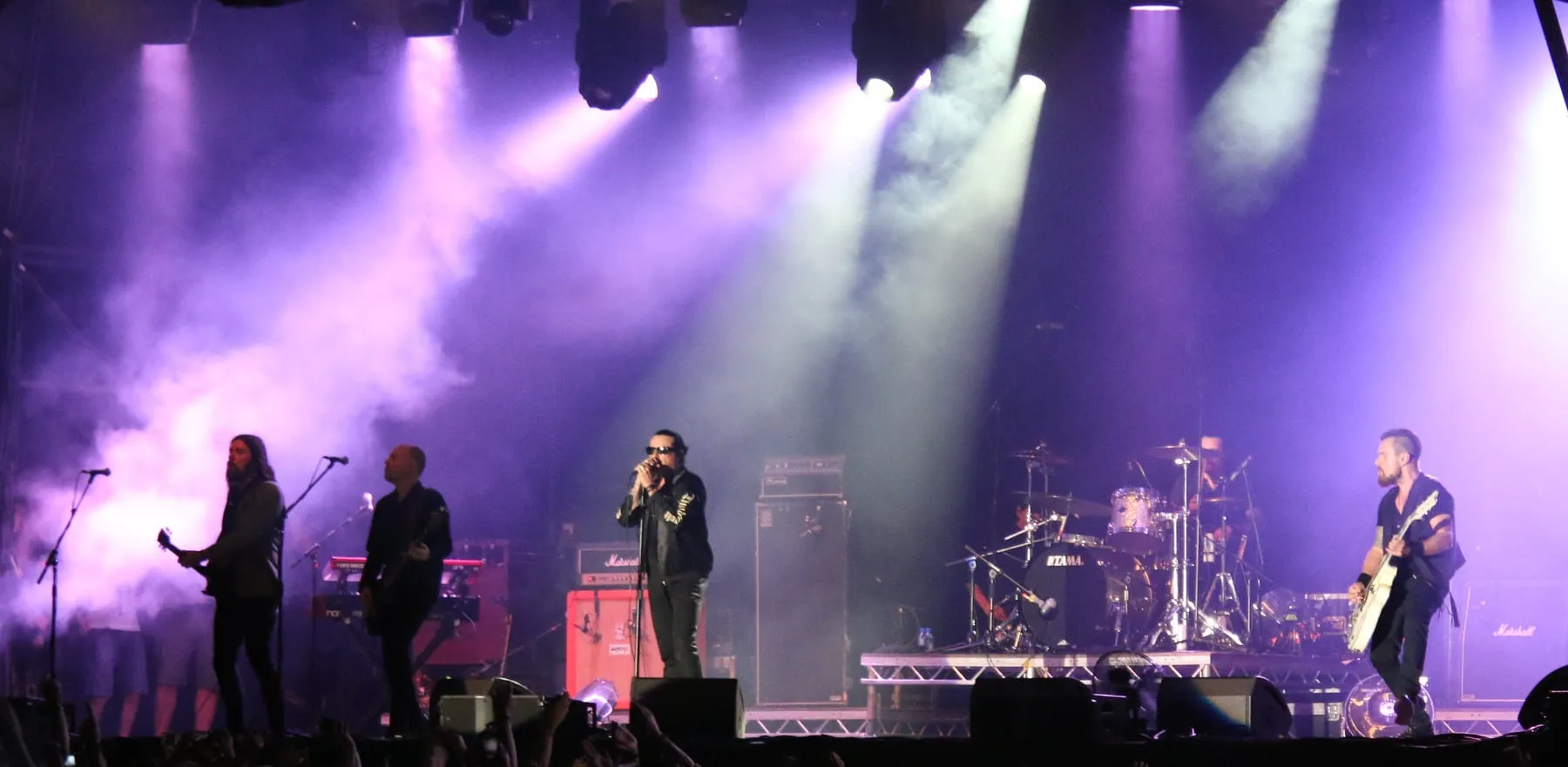
Photo by kitmasterbloke , licensed under CC BY 2.0 · Wikimedia Commons
Rank #352
The Cult
Bradford band who pivoted from goth post-punk into AC/DC-tinged hard rock.
From Wikipedia
The Cult are an English rock band formed in Bradford in 1983. Before settling on their current name in January 1984, the band had performed under the name Death Cult, which was an evolution of the name of lead vocalist Ian Astbury's previous band Southern Death Cult. They gained a dedicated following in the United Kingdom in the mid-1980s as a post-punk and gothic rock band, with singles such as "She Sells Sanctuary", before breaking into the mainstream in the United States in the late 1980s establishing themselves as a hard rock band with singles such as "Love Removal Machine". Since its initial formation in 1983, the band have had various line-ups: the longest-serving members are Astbury and guitarist Billy Duffy, who are also their two main songwriters.
Members
- John Tempesta (2006–present)
- Damon Fox (2015–present)
- Grant Fitzpatrick (2015–present)
- Billy Duffy
- Ian Astbury
- Les Warner
Studio Albums
- 1984 Dreamtime
- 1985 Love
- 1987 Electric
- 1989 Sonic Temple
- 1991 Ceremony
- 1992 Nirvana
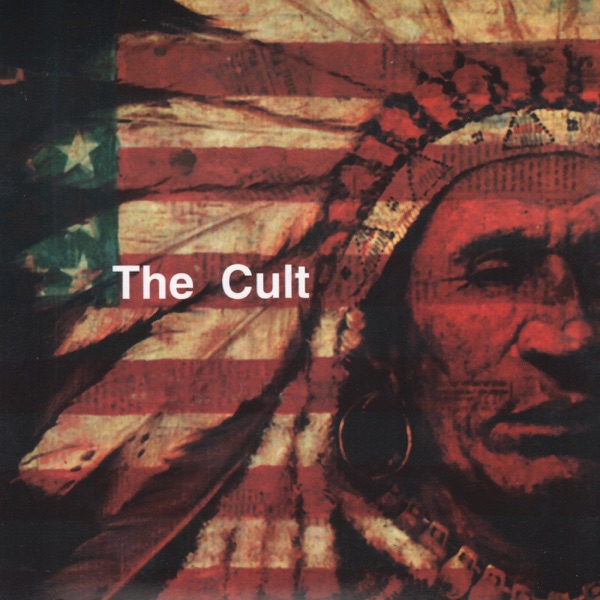
- 1994 The Cult
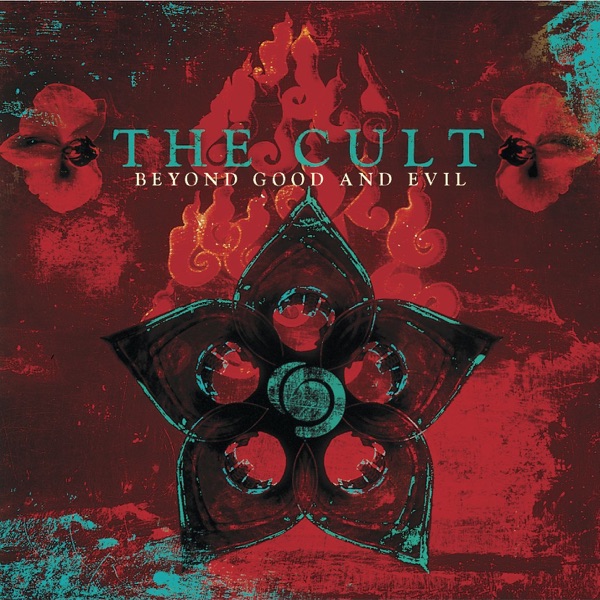
- 2001 Beyond Good and Evil
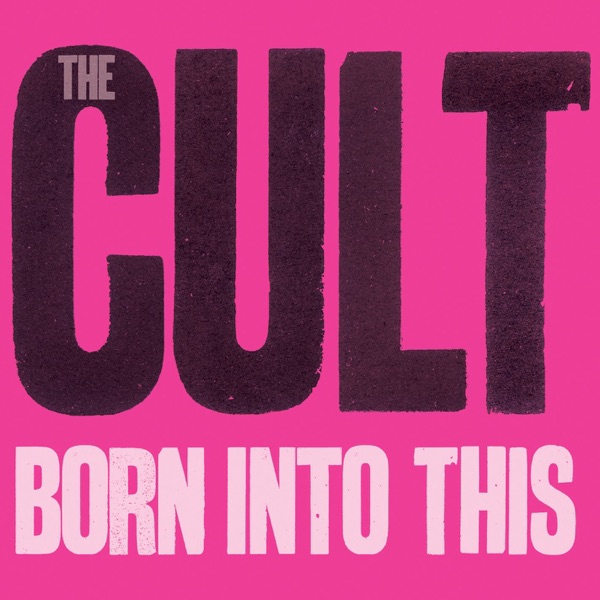
- 2007 Born Into This
- 2012 Choice of Weapon
- 2016 Hidden City
- 2022 Under the Midnight Sun
Source: MusicBrainz
Deep Dive
Overview
The Cult are an English rock band formed in Bradford in 1983 who charted a deliberate course from gothic post-punk into stadium hard rock. Led throughout by vocalist Ian Astbury and guitarist Billy Duffy, the band built a devoted UK following in the mid-1980s before pivoting their sound toward AC/DC-inflected heavy rock and breaking into American mainstream success in the late 1980s. Their trajectory traces a wider pattern in rock music of the 1980s: the dissolution of post-punk aesthetics into harder, more guitar-driven formats.
Formation Story
The Cult emerged from Bradford’s music scene in 1983, initially performing under the name Death Cult. This moniker represented an evolution of the name of Astbury’s previous group, Southern Death Cult, signaling both continuity and reinvention. By January 1984, the band had settled on their permanent name: The Cult. From their inception, the songwriting partnership between vocalist Astbury and guitarist Billy Duffy formed the creative core, a dynamic that would define the band’s output across decades. The pairing of Astbury’s theatrical vocal presence with Duffy’s guitar-driven compositions proved durable enough to survive numerous lineup changes, making them the sole consistent creative force through the band’s long career.
Breakthrough Moment
The Cult’s earliest commercial traction came from their first two albums in the mid-1980s. Their 1984 debut Dreamtime and 1985 follow-up Love established them as post-punk and gothic rock mainstays in the United Kingdom. The single “She Sells Sanctuary” became their signature entry point, establishing the band’s aesthetic: moody, layered production paired with Astbury’s distinctive vocal delivery. However, their true breakthrough into mainstream consciousness, particularly in the United States, arrived with a dramatic sonic shift. Their 1989 album Sonic Temple marked a watershed moment, pivoting away from goth post-punk toward heavy rock and establishing “Love Removal Machine” as the single that would define their American identity.
Peak Era
The years spanning 1987 to 1989 represented the band’s creative and commercial peak. Their 1987 album Electric served as a transitional work, showing signs of the harder direction to come, while Sonic Temple two years later crystallized their new sound and brought them into the mainstream rock consciousness. This period saw The Cult transform from a band with a devoted cult following in Britain into an arena rock concern with genuine crossover potential in North America. Their ability to shed their post-punk origins without alienating their base—through muscular but still atmospheric guitar work and Astbury’s unchanged vocal character—positioned them as major hard rock players in the late 1980s.
Musical Style
The Cult’s sound evolved significantly across their career, but certain traits remained consistent. Astbury’s voice—theatrical, slightly detached, yet capable of genuine emotional resonance—remained the constant thread. Early in their career, they operated in the post-punk and gothic rock idiom, with atmospheric production, layered instrumentation, and a focus on mood and texture. Duffy’s guitar work, initially part of that gothic aesthetic, gradually became heavier and more blues-rock influenced. By Sonic Temple onward, the band embraced a more straightforward hard rock approach: amplified rhythm section, prominent kick drum, riff-based song construction, and guitar work influenced by classic hard rock and blues-rock lineage. Yet even their heaviest work retained traces of the atmospheric sensibility from their earlier period—a reluctance to fully abandon the moody, textural elements that defined their post-punk origins. The band’s later work, including albums from 2001 onward such as Beyond Good and Evil and subsequent releases, continued this balance between heavy rock fundamentals and the atmospheric experimentation of their formative years.
Major Albums
Dreamtime (1984)
The band’s debut established their post-punk and gothic rock credentials, introducing Astbury’s vocals and the foundational Astbury-Duffy songwriting partnership that would sustain the band through multiple reinventions.
Love (1985)
This follow-up deepened their UK gothic rock following and featured “She Sells Sanctuary,” a single that defined their early identity and remains their most enduring song from the post-punk period.
Sonic Temple (1989)
The landmark album that repositioned The Cult as a hard rock band for American audiences, featuring “Love Removal Machine” and demonstrating their ability to modernize their sound without losing their vocal and atmospheric identity.
Ceremony (1991)
Released in the post-Sonic Temple era, this album continued their hard rock direction and demonstrated the band’s commitment to the heavier aesthetic they had adopted.
The Cult (1994)
A self-titled work released a decade into their career, signaling artistic reinvestment and a consolidation of their established identity as a major hard rock outfit.
Signature Songs
- “She Sells Sanctuary” — The gothic post-punk single that introduced The Cult to UK audiences in the mid-1980s and remains their most recognizable song from that era.
- “Love Removal Machine” — Their hard rock breakthrough on American radio, defining their late-1980s transformation and mainstream success.
- “Fire in Cairo” — A track from their early period that showcased Astbury’s dramatic vocal presence within their post-punk framework.
- “Nirvana” — The title track from their 1992 album, demonstrating their continued exploration of heavier material.
Influence on Rock
The Cult’s career arc reflected and participated in broader shifts within rock music during the 1980s and beyond. Their early success as a post-punk and gothic rock band placed them within a lineage that included Joy Division, The Cure, and other post-punk bands exploring darker, more atmospheric territory. However, their successful transition to hard rock in the late 1980s demonstrated that the British gothic rock movement, while artistically vital, could be reconfigured into heavier formats without loss of identity. This move presaged wider trends in rock music: the ability of 1980s post-punk and goth aesthetics to feed into 1990s hard rock and alternative rock contexts. Duffy’s guitar work, particularly on Sonic Temple and beyond, influenced subsequent generations of hard rock and alternative rock guitarists seeking to balance melodic sensibility with heavier tones.
Legacy
The Cult have maintained an active presence in rock music for four decades, with continuous touring and recording from their formation in 1983 through the present. Their discography extends from their debut Dreamtime through 2022’s Under the Midnight Sun, demonstrating sustained creative engagement beyond the point when most 1980s rock bands have disbanded or become purely nostalgia-driven acts. The longevity of the Astbury-Duffy partnership—the only consistently present creative force across all eras and lineups—speaks to the durability of their songwriting foundation. Streaming platforms have ensured ongoing access to both their post-punk era and their hard rock period, allowing new audiences to encounter both facets of their evolution. The band’s ability to maintain themselves through numerous lineup changes while preserving their core identity has secured their place as a substantial presence in hard rock history.
Fun Facts
- The band’s initial name, Death Cult, was an evolution of Astbury’s previous band Southern Death Cult, demonstrating how their formation represented both continuity and a fresh start within the British post-punk scene.
- John Tempesta, who has drummed for the band since 2006, brought significant experience from other hard rock and heavy metal contexts, anchoring the band’s rhythm section through their twenty-first-century albums.
- The Cult released an album titled Nirvana in 1992, sharing a name with Kurt Cobain’s breakthrough album released the same year, though the two bands operated in entirely different musical contexts.
- The band has recorded for Situation Two and Beggars Banquet Records, both prestigious independent labels associated with British post-punk and alternative rock, grounding them in the UK independent music tradition despite their later hard rock success.
Discography & Previews
Click any album to expand its track list. Each track plays a 30-second preview streamed from Apple Music. Tap the link icon next to a track to open it in Apple Music for full playback.