Photo by The Dark Lord of Wiki at English Wikipedia , licensed under CC BY 3.0 · Wikimedia Commons
Rank #55
System of a Down
Armenian-American L.A. quartet weaving folk, metal, and political rage.
From Wikipedia
System of a Down is an Armenian-American heavy metal band formed in Glendale, California, in 1994. Since 1997, the band has consisted of founding members Serj Tankian, Daron Malakian, and Shavo Odadjian (bass); along with John Dolmayan (drums), who replaced original drummer Andy Khachaturian.
Members
- Daron Malakian (1994–present)
- Ontronik (1994–1997)
- Serj Tankian (1994–present)
- Shavo Odadjian (1994–present)
- John Dolmayan (1997–present)
Studio Albums
- 1998 System of a Down
- 2001 Toxicity
- 2002 Steal This Album!
- 2005 Hypnotize
- 2005 Mezmerize
Source: MusicBrainz
Deep Dive
Overview
System of a Down is an Armenian-American heavy metal band formed in Glendale, California, in 1994. From their emergence in the late 1990s, they distinguished themselves within the nu-metal landscape by integrating traditional Armenian folk melodies, unconventional song structures, and overtly political lyrical content into a framework of distorted guitars and rhythmic intensity. Their presence on rock radio and MTV during the early 2000s marked a decisive moment when metal could accommodate both visceral heaviness and cultural specificity, refusing both the nihilism of grunge’s tail end and the irony-detached posturing of some of their contemporaries.
Formation Story
System of a Down crystallized around the core songwriting partnership of Serj Tankian and Daron Malakian, with bassist Shavo Odadjian completing the founding trio in 1994. The band operated initially with drummer Ontronik (credited as such in available records), holding that lineup for three years before John Dolmayan replaced him in 1997. Formed in Glendale, a city in Los Angeles County with a significant Armenian-American population, the band emerged from a cultural and geographic context that shaped their identity from the outset. The L.A. metal underground of the mid-1990s was already fragmented and evolving, but System’s Armenian heritage and willingness to foreground that ancestry in their music set them apart from the dominant trends of the era.
Breakthrough Moment
Their self-titled debut, System of a Down (1998), introduced the band’s core sound and aesthetic to a wider audience, establishing the template that would carry them through their most commercially dominant period. However, it was their second album, Toxicity (2001), that catalyzed their breakthrough into mainstream recognition. Released during the post-9/11 era and the run-up to the Iraq War, Toxicity arrived at a moment when rock audiences were receptive to politically engaged music. The album’s arrangements—anchored by Malakian’s riff-driven guitar work, Tankian’s soaring and occasionally operatic vocals, and a rhythm section locked into unconventional time signatures—struck both college radio and commercial rock stations with unusual force. Toxicity became a defining record for a generation of listeners discovering heavy music in the early 2000s, positioning System as one of the decade’s most vital metal acts.
Peak Era
The years 2001 to 2005 represented System of a Down’s period of greatest creative momentum and commercial reach. Following the success of Toxicity, the band released Steal This Album! (2002), a follow-up that consolidated their approach while exploring darker, more aggressive territory in certain passages. The release of their twin albums Hypnotize and Mezmerize in 2005 represented an ambitious statement: two full-length records released in the same year, each a complete artistic work rather than a companion piece or reissue. This doubled output allowed System to deepen their exploration of both the musical and thematic dimensions established on Toxicity. During this span, they toured extensively and became fixtures on rock radio, their music reaching audiences far beyond the metal underground from which they had emerged.
Musical Style
System of a Down’s sound fuses heavy metal distortion and rhythm-section intensity with melodic and harmonic ideas drawn from Armenian music traditions, creating an aesthetic that resists easy categorization within the nu-metal umbrella despite their placement in that genre. Serj Tankian’s vocal approach ranges from sung melody to rhythmic spoken-word passages and moments of near-operatic intensity; his Armenian heritage inflects his phrasing and tonal choices throughout. Daron Malakian’s guitar work emphasizes riff construction and modal play rather than speed or technical display alone, often incorporating open strings and dissonant intervals that suggest folk or world-music lineage. Shavo Odadjian’s bass lines provide harmonic foundation while also driving the rhythmic pocket forward with precision. John Dolmayan, stabilizing the drum chair from 1997 onward, locks into time signatures that frequently deviate from standard 4/4, creating rhythmic displacement that mirrors the complexity of the songwriting. This combination—heavy and precise, yet rooted in non-Western melodic and rhythmic traditions—gave System a sonic identity that separated them from peers working in similar metal registers. Their production choices, particularly on Toxicity and the 2005 albums, emphasize clarity and separation between instruments rather than the mud or compression that sometimes characterized nu-metal peers.
Major Albums
System of a Down (1998)
The debut established the band’s core vocabulary: Malakian’s driving riffs, Tankian’s dynamic vocal range, and an integration of Armenian folk elements into heavy-metal arrangements. It announced their arrival without yet achieving the commercial traction or thematic clarity of their successors.
Toxicity (2001)
The album that elevated System to mainstream prominence, Toxicity paired political and social urgency with accessibility. The title track, along with others on the record, demonstrated the band’s ability to write hooks and structures that lodged in listeners’ ears while maintaining formal complexity and lyrical substance.
Steal This Album! (2002)
Released in the immediate wake of Toxicity’s success, this record pushed toward heavier, darker textures while maintaining the songwriting discipline and melodic invention of its predecessor. It represented consolidation rather than significant departure.
Hypnotize (2005)
One of the twin albums released in 2005, Hypnotize showcased System’s ambition in expanding their sonic palette and deepening their exploration of both heavy and melodic material. The album’s extended production and varied arrangements reflected the band’s growth as recording artists.
Mezmerize (2005)
Released alongside Hypnotize, Mezmerize provided a complementary but distinct artistic statement, further demonstrating the band’s creative vitality and their willingness to challenge commercial expectations by flooding the market with dual full-length releases in a single year.
Signature Songs
- Toxicity — The title track from their 2001 breakthrough album, combining a memorable main riff with Tankian’s urgent vocal delivery and the song’s infectious groove.
- Chop Suey! — A mid-tempo showcase for the band’s ability to blend heavy guitars with accessible melodies and rhythmically sophisticated arrangements.
- Spiders — Demonstrates the group’s integration of folk melodic sensibility into metal contexts, with a memorable hook and modal harmonic movement.
- Prison Song — Features Tankian’s lyrical specificity and vocal range, with a driving rhythm section and guitar work that balances heaviness and restraint.
- Aerials — A more atmospheric entry in their catalog, showing the band’s capacity for dynamics and textural variety within the metal framework.
Influence on Rock
System of a Down expanded the sonic and thematic vocabulary available to heavy metal and rock music in the early 2000s. By integrating Armenian folk traditions and unambiguously political lyrical content into a framework of distorted guitars and precise rhythm-section work, they demonstrated that metal need not be culturally unmarked or ideologically neutral. Their success opened space for other acts to foreground their own cultural and ethnic identities within heavy music genres. In the broader landscape of early-2000s rock, they provided a counterweight to both the aftermath of grunge’s commercial exhaustion and the ironic detachment that characterized some alternative and indie-rock acts of the same period. Bands working in alternative metal, progressive metal, and heavier forms of alternative rock that emerged in their wake drew lessons from System’s ability to maintain commercial reach while refusing stylistic or thematic compromise.
Legacy
System of a Down remain an active recording and touring entity, sustaining their audience through the 2000s and beyond. The albums released during their peak era—particularly Toxicity, Steal This Album!, Hypnotize, and Mezmerize—continue to circulate on streaming platforms and in physical formats, ensuring their music reaches both longtime listeners and those discovering the band decades after initial release. Their presence on rock radio during the early 2000s and their MTV exposure during that same period cemented their place in the memory and cultural reference of millions of listeners who came of age during that era. The band’s commitment to political engagement and cultural specificity has aged better than many of their contemporaries’ work, which often relied on anger without direction or specificity. System of a Down demonstrated that metal could carry content and conviction without sacrificing accessibility or musicianship.
Fun Facts
- The band was formed in Glendale, California, a city with one of the largest Armenian-American populations in the United States, profoundly shaping their cultural identity and artistic direction.
- John Dolmayan joined as drummer in 1997, replacing original drummer Ontronik, solidifying the classic and enduring lineup that would record all of the band’s studio albums from 1998 forward.
- The release of Hypnotize and Mezmerize as separate full-length albums in the same year (2005) was an unusual commercial strategy that reflected the band’s confidence in their material and their willingness to challenge standard album-release conventions.
- System of a Down’s integration of Armenian folk melodies and modal harmonic structures into nu-metal and alternative metal contexts was relatively uncommon at the time, establishing them as one of the most culturally distinctive acts within the early-2000s heavy-music landscape.
Discography & Previews
Click any album to expand its track list. Each track plays a 30-second preview streamed from Apple Music. Tap the link icon next to a track to open it in Apple Music for full playback.
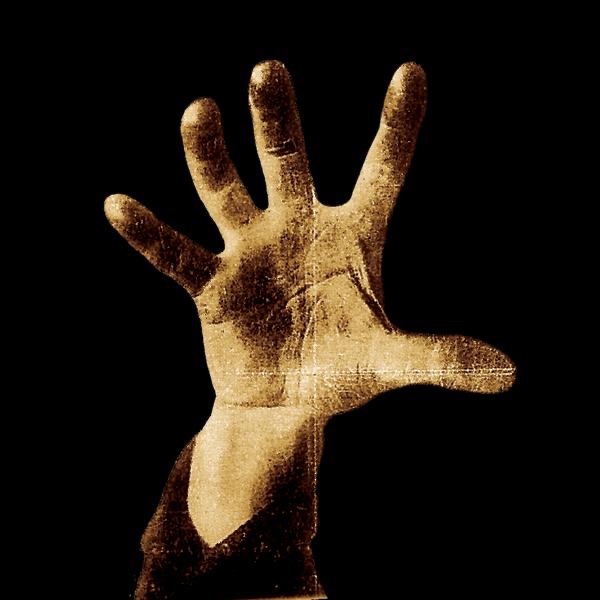
- 1 Suite-Pee (Clean Version) ↗ 2:32
- 2 Know (Clean Version) ↗ 2:57
- 3 Sugar (Clean Version) ↗ 2:33
- 4 Suggestions ↗ 2:44
- 5 Spiders ↗ 3:35
- 6 DDevil ↗ 1:43
- 7 Soil (Clean Version) ↗ 3:26
- 8 War? ↗ 2:40
- 9 Mind (Clean Version) ↗ 6:16
- 10 Peephole ↗ 4:04
- 11 CUBErt (Clean Version) ↗ 1:49
- 12 Darts ↗ 2:43
- 13 P.L.U.C.K. (Clean Version) ↗ 3:37


- 1 Chic 'N' Stu ↗ 2:24
- 2 Innervision ↗ 2:34
- 3 Bubbles ↗ 1:57
- 4 Boom! ↗ 2:15
- 5 Nüguns ↗ 2:30
- 6 A.D.D. (American Dream Denial) ↗ 3:17
- 7 Mr. Jack ↗ 4:10
- 8 I-E-A-I-A-I-O ↗ 3:09
- 9 36 ↗ 0:46
- 10 Pictures ↗ 2:06
- 11 Highway Song ↗ 3:14
- 12 F**k the System ↗ 2:13
- 13 Ego Brain ↗ 3:22
- 14 Thetawaves ↗ 2:37
- 15 Roulette ↗ 3:21
- 16 Streamline ↗ 3:38

