
Photo by Library of Congress Life , licensed under CC0 · Wikimedia Commons
Rank #11
Metallica
The biggest thrash metal band, defining heaviness for generations of metal fans.
From Wikipedia
Metallica is an American heavy metal band. It was formed in Los Angeles in 1981 by vocalist/guitarist James Hetfield and drummer Lars Ulrich, and has been based in San Francisco for most of its career. The band's fast tempos, instrumentals and aggressive musicianship made them one of the founding "big four" bands of thrash metal, alongside Megadeth, Anthrax, and Slayer. Metallica's current lineup comprises founding members and primary songwriters Hetfield and Ulrich, longtime lead guitarist Kirk Hammett, and bassist Robert Trujillo. Former members of the band are bassists Ron McGovney, Cliff Burton, and Jason Newsted, and guitarist Dave Mustaine, who formed Megadeth after being fired from Metallica in 1983.
Members
- James Hetfield · rhythm guitar (1981–present)
- Lars Ulrich · drum kit (1981–present)
- Lloyd Grant · electric guitar (1981–1981)
- Brad Parker · rhythm guitar (1982–1982)
- Cliff Burton · bass guitar (1982–1986)
- Dave Mustaine · lead guitar (1982–1983)
- Jeff Warner (1982–1982)
- Ron McGovney · bass guitar (1982–1982)
- Kirk Hammett · lead guitar (1983–present)
- Jason Newsted · bass guitar (1987–2001)
- Robert Trujillo · bass guitar (2003–present)
Studio Albums
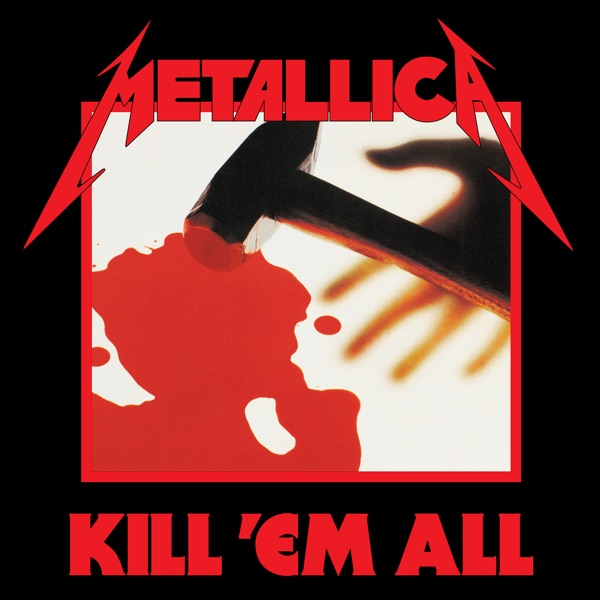
- 1983 Kill ’Em All
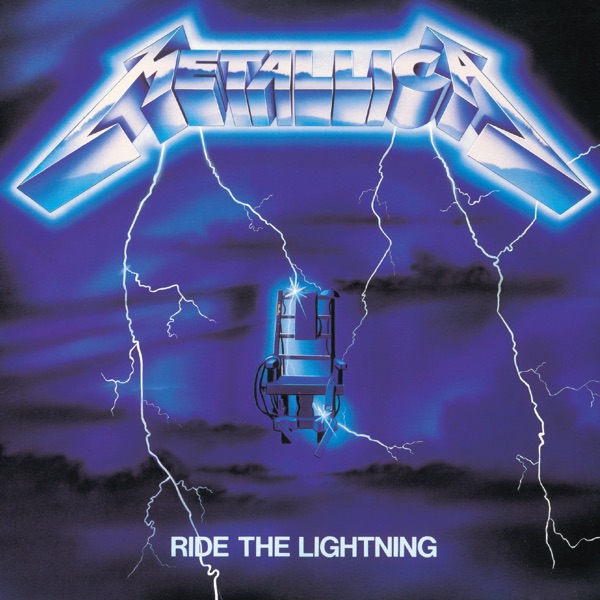
- 1984 Ride the Lightning
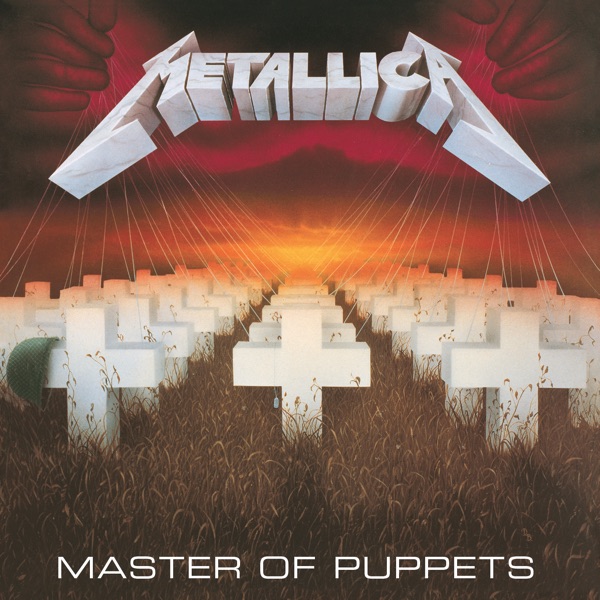
- 1986 Master of Puppets
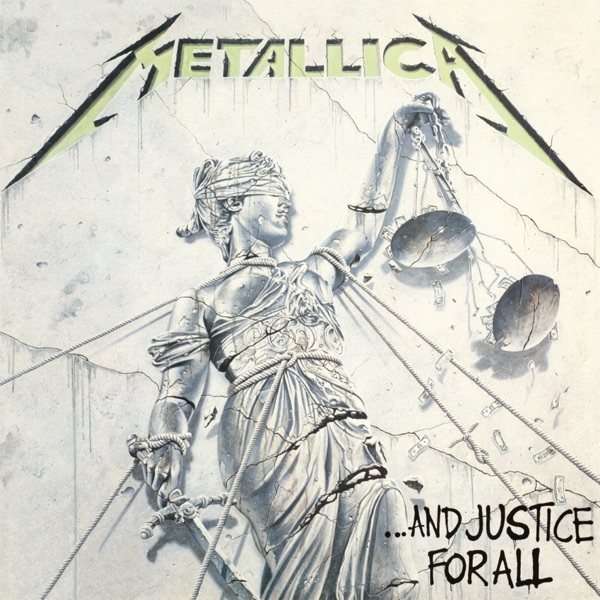
- 1988 …And Justice for All
- 1991 Metallica
- 1996 Load
- 1997 Reload
- 2003 St. Anger
- 2008 Death Magnetic
- 2011 Lulu
- 2016 Hardwired… to Self‐Destruct
- 2023 72 Seasons
Source: MusicBrainz
Deep Dive
Overview
Metallica stands as the most commercially successful and culturally dominant thrash metal band in history. Formed in Los Angeles in 1981 by vocalist and guitarist James Hetfield and drummer Lars Ulrich, the group became one of the “big four” thrash metal acts—alongside Megadeth, Anthrax, and Slayer—whose fast tempos, instrumental prowess, and aggressive approach defined the subgenre and redefined what heavy metal could be. Though the band relocated to San Francisco early in its career and has remained based there, Metallica’s influence spread globally, establishing metal as a dominant force in rock and creating a template for heaviness that countless acts would follow.
Formation Story
Metallica emerged from the Los Angeles metal underground in 1981 when Hetfield and Ulrich, both in their late teens, began writing and rehearsing together. The founding roster cycled through several early members, including guitarists Lloyd Grant and Dave Mustaine, and bassists Ron McGovney and Brad Parker. By 1982, the core quartet had solidified: Hetfield on rhythm guitar and vocals, Ulrich on drums, Mustaine on lead guitar, and McGovney on bass. However, this lineup proved unstable. In 1982, McGovney departed and was replaced by Cliff Burton, a bassist whose technical facility and compositional contributions would prove essential to the band’s early sound. More consequentially, in 1983 Mustaine was fired from the band—a decision that would haunt him and lead directly to his formation of Megadeth. Kirk Hammett, a young guitarist with a background in hard rock, joined as Mustaine’s replacement and would remain the band’s lead guitarist for the next four decades.
Breakthrough Moment
Metallica released their debut album, Kill ‘Em All, in 1983 to modest commercial success but immediate credibility within the metal underground. The album’s raw production and ferocious energy marked the arrival of a serious voice in thrash. Their second album, Ride the Lightning (1984), expanded their technical range and songwriting ambition, beginning to attract mainstream metal attention. Yet the moment that truly established Metallica’s dominance came with Master of Puppets in 1986—an album of remarkable scope, instrumental precision, and compositional maturity that announced them as the leading force in thrash metal. The album showcased longer, more ambitious song structures and lyrical substance, demonstrating that thrash metal could achieve both artistic depth and physical power. Tragically, bassist Cliff Burton died in a bus accident in September 1986, just months after the album’s release, forcing a pause in the band’s momentum and a search for a new bassist.
Peak Era
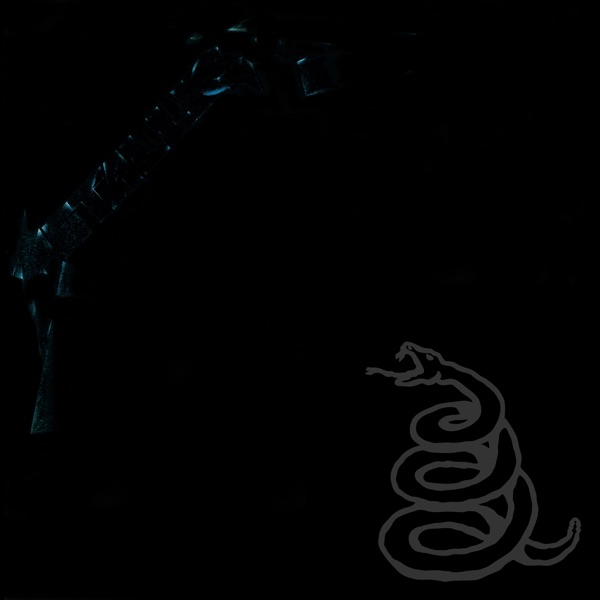
Metallica’s creative and commercial apex stretched from the late 1980s through the mid-1990s. Jason Newsted, recruited as Burton’s replacement, debuted on …And Justice for All (1988), a dense and technically elaborate album that reasserted the band’s command of thrash metal at its most sophisticated. The band then pivoted toward broader mainstream appeal with Metallica (1991), commonly known as “The Black Album” for its all-black cover. This self-titled release featured more accessible song structures, cleaner production, and greater emphasis on melody while retaining the band’s core heaviness. The album achieved unprecedented commercial success, establishing Metallica as a stadium-level rock act and introducing their music to audiences far beyond the metal underground. The follow-up albums Load (1996) and Reload (1997) continued this mainstream direction, further expanding their audience and marking a sustained period of cultural dominance unmatched by any other metal band of the era.
Musical Style
Metallica’s sound is built on the interplay between Hetfield’s heavily distorted rhythm guitar work and Ulrich’s driving, often double-bass-heavy drumming, anchored by a powerful bass line and Hammett’s technically proficient and emotionally expressive lead guitar solos. Early on, the band embodied the core thrash metal aesthetic: rapid tempos, complex riffing, stop-start dynamics, and instrumental passages that showcased each member’s technical facility. Hetfield’s vocals—initially raw and shouted, later more refined and controlled—delivered lyrics that often grappled with darkness, power, and internal struggle. As the band matured, especially from Master of Puppets onward, their songwriting incorporated longer compositional arcs, varying tempos within single songs, and greater dynamic range. By the 1990s, while they retained their metal foundation, Metallica integrated more groove-oriented riffing and clearer song structures that made their music more radio-friendly without abandoning their essential heaviness. This evolution—from underground thrash precision to mainstream metal power—became their defining artistic journey.
Major Albums
Master of Puppets (1986)
Metallica’s third album and artistic statement of purpose, Master of Puppets combined technical thrash mastery with ambitious songwriting and thematic coherence, establishing them as the premier thrash metal act and one of the most important rock albums of the 1980s.
…And Justice for All (1988)
Launching the Jason Newsted era, this conceptually dense album demonstrated that Metallica could deepen their complexity and artistic reach, featuring some of their longest and most elaborate compositions.
Metallica (1991)
The “Black Album” became a cultural phenomenon, bringing Metallica to stadium-rock status through more direct songwriting and powerful, radio-ready production while maintaining their heaviness and credibility.
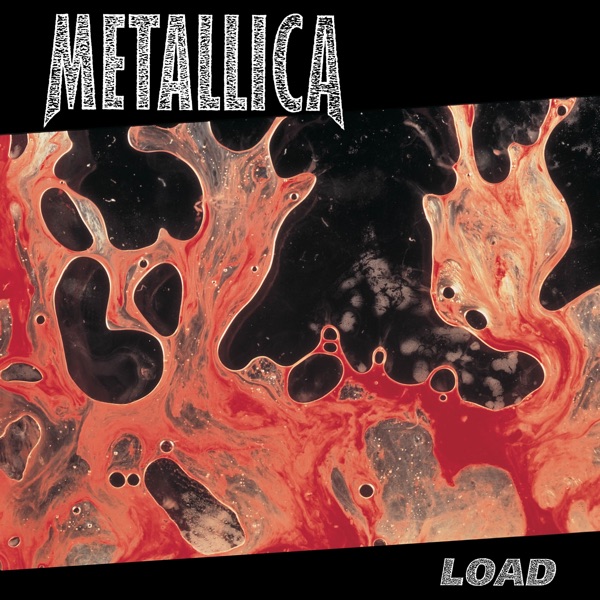
Load (1996)
This album pushed further into groove metal and mainstream accessibility, showcasing a more relaxed, blues-influenced approach to their songcraft and solidifying their commercial dominance of the 1990s.
Signature Songs
- “Master of Puppets” — The title track from their defining mid-80s album, a nearly eight-minute instrumental showcase demonstrating technical mastery and dynamic range.
- “One” — From …And Justice for All, a haunting and powerful song that blended experimental song structure with accessibility.
- “Enter Sandman” — The lead single from the Black Album, a groove-heavy anthem that became Metallica’s most widely recognized song.
- “The Unforgiven” — A melodic, mid-tempo track from the Black Album that showed the band’s command of emotional depth alongside aggression.
- “Sad But True” — A Black Album deep cut featuring some of the album’s heaviest grooves and most hypnotic riffing.
Influence on Rock
Metallica fundamentally altered the trajectory of rock and metal music by proving that thrash metal—a subgenre born from underground clubs and DIY ethos—could achieve massive mainstream commercial success without sacrificing its core identity. They legitimized metal as a serious artistic medium capable of instrumental complexity, thematic depth, and emotional resonance. Countless heavy metal and hard rock bands that emerged in the 1990s and 2000s—from post-grunge acts to nu-metal and metalcore pioneers—drew directly from Metallica’s template of heavy riffing, powerful vocals, and accessible song structures. Their success demonstrated that metal audiences were large enough to support arena tours, radio play, and platinum sales, fundamentally reshaping the music industry’s relationship to the genre.
Legacy
More than four decades after their formation, Metallica remains one of the most commercially successful rock bands in history and continues touring and recording. The band’s self-titled 1991 album has become one of the best-selling albums of all time, a cultural touchstone that transcends metal fandom. Robert Trujillo, who joined as bassist in 2003, has become the longest-serving bassist in the band’s post-Burton era, contributing to albums including Death Magnetic (2008), Lulu (2011), Hardwired… to Self‐Destruct (2016), and 72 Seasons (2023). Their influence permeates popular music; Metallica’s riffs, song structures, and approach to heavy music have become foundational reference points for multiple generations of musicians. The band’s catalog continues to dominate streaming platforms and their live performances remain among the largest and most attended metal events globally.
Fun Facts
- Dave Mustaine, fired from Metallica in 1983, channeled his dismissal into founding Megadeth, which became the second most important band of the thrash metal “big four” and a direct rival.
- Cliff Burton’s death in a tour bus accident in 1986 remains one of the most pivotal and tragic moments in rock history, forever altering the band’s trajectory and establishing the gravity of their story.
- The band’s 1991 self-titled album is commonly referred to as “The Black Album” because of its minimalist all-black cover, one of the most instantly recognizable designs in rock history.
- Metallica recorded Lulu (2011) as a collaboration with experimental rock artist Lou Reed, an unconventional project that demonstrated the band’s willingness to pursue artistic risks late in their career.
Discography & Previews
Click any album to expand its track list. Each track plays a 30-second preview streamed from Apple Music. Tap the link icon next to a track to open it in Apple Music for full playback.
- 1 Enter Sandman ↗ 5:32
- 2 Sad But True ↗ 5:25
- 3 Holier Than Thou ↗ 3:48
- 4 The Unforgiven ↗ 6:27
- 5 Wherever I May Roam ↗ 6:44
- 6 Don't Tread On Me ↗ 4:00
- 7 Through the Never ↗ 4:05
- 8 Nothing Else Matters ↗ 6:29
- 9 Of Wolf and Man ↗ 4:17
- 10 The God That Failed ↗ 5:09
- 11 My Friend of Misery ↗ 6:50
- 12 The Struggle Within ↗ 3:53
- 1 Ain't My Bitch (Remastered) ↗ 5:04
- 2 2 X 4 (Remastered) ↗ 5:28
- 3 The House Jack Built (Remastered) ↗ 6:39
- 4 Until It Sleeps (Remastered) ↗ 4:30
- 5 King Nothing (Remastered) ↗ 5:28
- 6 Hero of the Day (Remastered) ↗ 4:22
- 7 Bleeding Me (Remastered) ↗ 8:18
- 8 Cure (Remastered) ↗ 4:54
- 9 Poor Twisted Me (Remastered) ↗ 4:00
- 10 Wasting My Hate (Remastered) ↗ 3:57
- 11 Mama Said (Remastered) ↗ 5:20
- 12 Thorn Within (Remastered) ↗ 5:52
- 13 Ronnie (Remastered) ↗ 5:17
- 14 The Outlaw Torn (Remastered) ↗ 9:49

- 1 Fuel ↗ 4:29
- 2 The Memory Remains (feat. Marianne Faithfull) ↗ 4:39
- 3 Devil's Dance ↗ 5:19
- 4 The Unforgiven II ↗ 6:36
- 5 Better Than You ↗ 5:22
- 6 Slither ↗ 5:13
- 7 Carpe Diem Baby ↗ 6:12
- 8 Bad Seed ↗ 4:05
- 9 Where the Wild Things Are ↗ 6:54
- 10 Prince Charming ↗ 6:05
- 11 Low Man's Lyric ↗ 7:37
- 12 Attitude ↗ 5:16
- 13 Fixxxer ↗ 8:15