
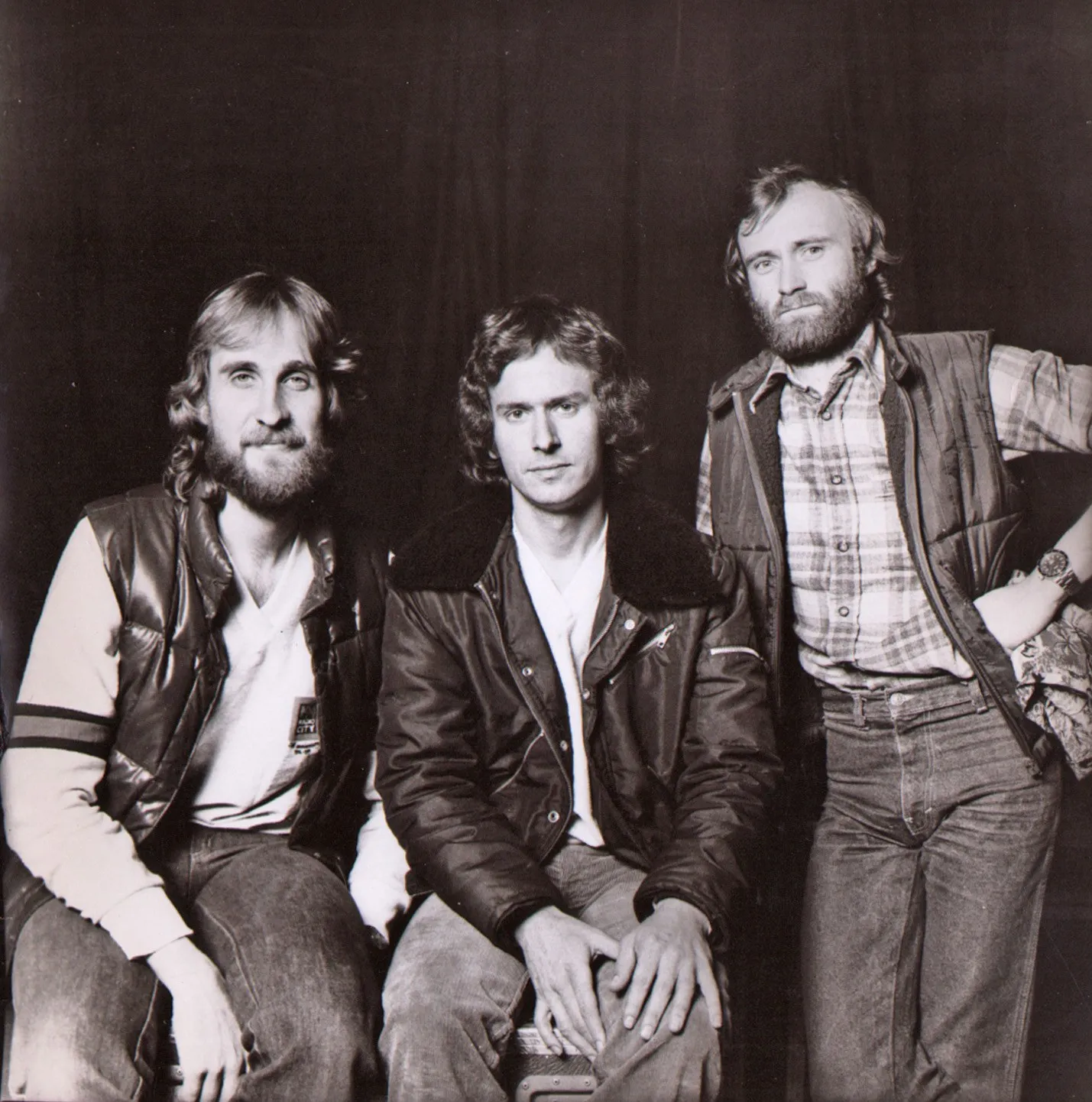
Photo by Distributed by Atlantic Records , licensed under Public domain · Wikimedia Commons
Rank #28
Genesis
Theatrical British prog band who later became 1980s pop hitmakers.
From Wikipedia
Genesis were an English rock band formed at Charterhouse School, in Godalming, Surrey, in 1967. The band's longest-lasting and most commercially successful line-up consisted of keyboardist Tony Banks, bassist/guitarist Mike Rutherford and drummer/singer Phil Collins. In the 1970s, during which the band also included singer Peter Gabriel and guitarist Steve Hackett, Genesis were among the pioneers of progressive rock. Banks and Rutherford have been the only constant members throughout the band's history.
Members
- Anthony Phillips (?–1970)
- Bill Bruford
- Chester Thompson
- Daryl Stuermer
- Mike Rutherford
- Peter Gabriel
- Phil Collins
- Ray Wilson
- Steve Hackett
- Tony Banks
Studio Albums
- 1969 From Genesis to Revelation
- 1970 Trespass
- 1971 Nursery Cryme
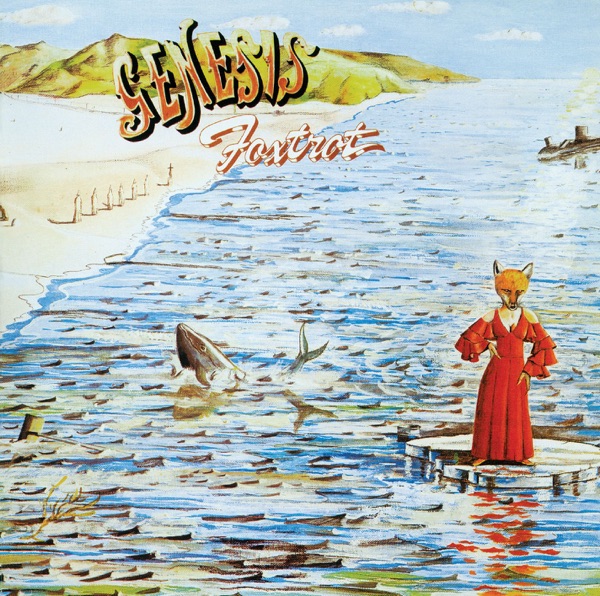
- 1972 Foxtrot
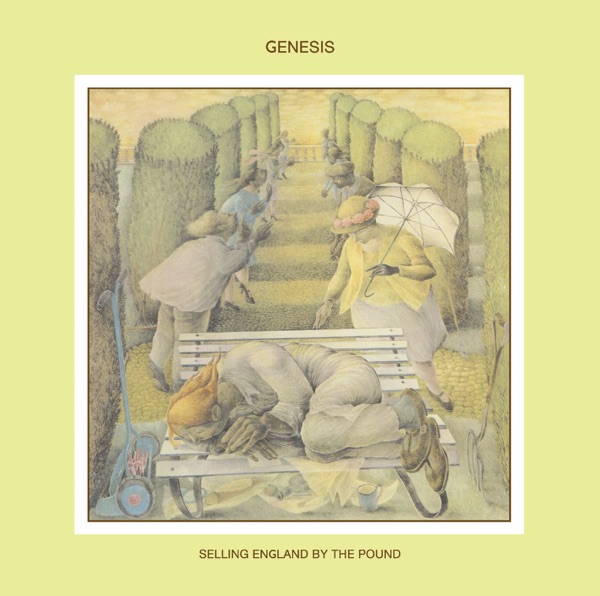
- 1973 Selling England by the Pound
- 1974 The Lamb Lies Down on Broadway
- 1976 Wind & Wuthering
- 1976 A Trick of the Tail
- 1978 …And Then There Were Three…
- 1980 Duke
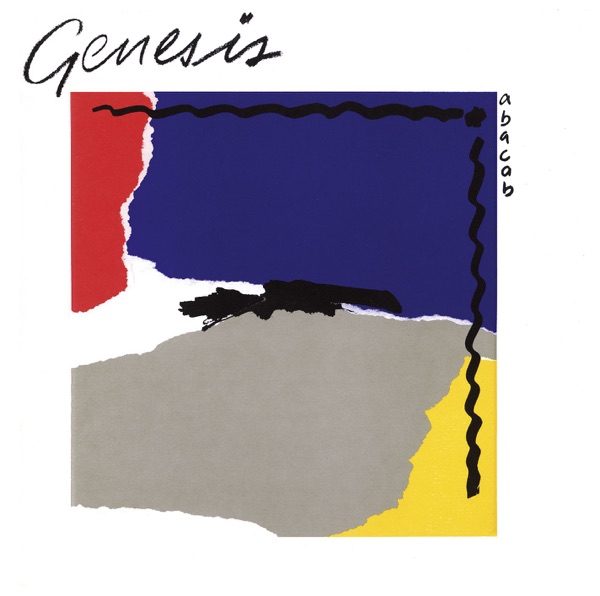
- 1981 Abacab
- 1983 Genesis
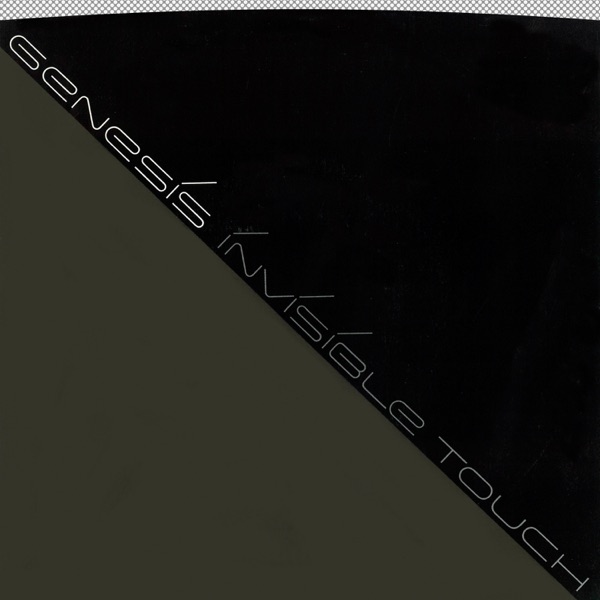
- 1986 Invisible Touch
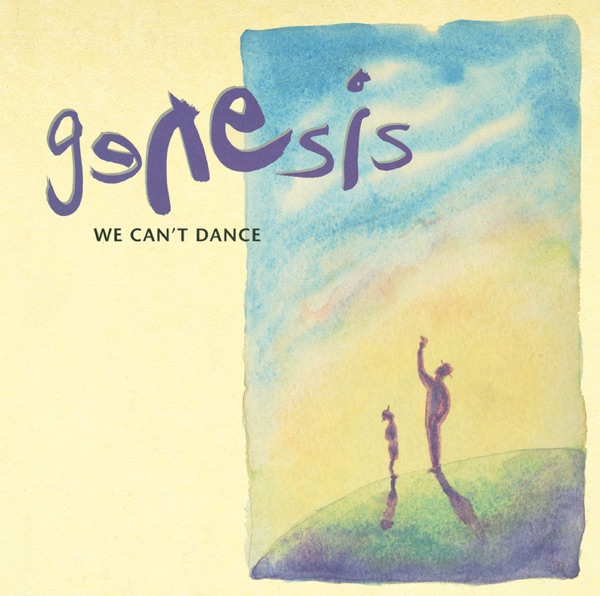
- 1991 We Can’t Dance
- 1997 …Calling All Stations…
Source: MusicBrainz
Deep Dive
Overview
Genesis emerged from Charterhouse School in Surrey in 1967 as one of the defining forces in progressive rock, a genre that merged classical composition, extended instrumental passages, and theatrical presentation with rock instrumentation. The band’s trajectory across five decades split into two distinct eras: a 1970s period defined by elaborate concept albums and genre-pushing experimentation, and an 1980s transformation into one of the world’s most commercially dominant pop acts. Their ability to reinvent themselves while retaining core members Tony Banks and Mike Rutherford ensured both artistic credibility and sustained mainstream success.
Formation Story
Genesis coalesced at Charterhouse School in the mid-1960s, drawing together musicians who shared ambitious compositional aspirations and a hunger to extend rock beyond three-minute conventions. The early lineup included Tony Banks on keyboards, Mike Rutherford on bass and guitar, and Peter Gabriel as vocalist. Anthony Phillips provided guitar until 1970, when Steve Hackett joined to strengthen the band’s instrumental palette. This stable configuration—Banks, Rutherford, Gabriel, Hackett, and drummer Phil Collins (who arrived in 1970)—would define the band’s most celebrated and artistically uncompromising decade.
Breakthrough Moment
Genesis’s early albums, From Genesis to Revelation (1969) and Trespass (1970), established them as serious compositional voices within progressive rock, but it was Nursery Cryme (1971) that crystallized their identity. The album’s intricate arrangements, Gabriel’s distinctive vocal presence, and the band’s willingness to build multi-part suites—rather than editing them down for radio play—signaled that Genesis would chart its own course regardless of commercial calculation. Foxtrot (1972) solidified their reputation for conceptual ambition and technical mastery, while Selling England by the Pound (1973) added narrative sophistication, establishing them as rivals to other prog titans. By the mid-1970s, Genesis had transcended cult status to become a major force in rock music.
Peak Era
The band’s most creatively commanding and commercially vital period spanned the early-to-mid 1970s through the early 1980s. The Lamb Lies Down on Broadway (1974) represented the apex of their theatrical ambition—a double album built around a narrative concept, with all songwriting credits shared equally among the members. The release of Wind & Wuthering (1976) and A Trick of the Tail (1976) came as Gabriel departed, forcing the remaining four members to absorb and redistribute his roles. Rather than fragmenting, the band consolidated, with Collins stepping into vocal duties while retaining his drumming role on certain tracks, and all members elevating their instrumental contributions. Duke (1980) and Abacab (1981) marked the beginning of their commercial ascendancy, blending prog’s structural sophistication with increasingly pop-oriented production and song-length compression that appealed to FM radio and MTV audiences.
Musical Style
Genesis’s sound in the 1970s was defined by complex time signatures, layered keyboard orchestrations from Tony Banks, intricate bass lines and guitar interplay from Mike Rutherford, and Gabriel’s theatrical vocal delivery—often ornamental rather than traditionally lyrical. Steve Hackett’s guitar work provided sharp articulation and melodic independence within dense arrangements. The production emphasized clarity and separation, allowing each instrument to occupy distinct sonic space even within densely composed passages. Their influences drew from classical music, jazz harmony, and British folk traditions, but synthesized these through a rock lens.
As the 1980s progressed, Genesis’s sound became more synthesizer-dominant, with Banks’s keyboard work shifting toward more textural and rhythmically propulsive applications. Phil Collins’s drumming grew tighter and more groove-oriented, aligning with contemporary production trends. Songs contracted to three-to-four-minute formats on albums like Genesis (1983) and Invisible Touch (1986), prioritizing hook-driven melody and radio-friendly structure. This represented not a dilution of musicianship but a conscious recalibration: the band retained harmonic sophistication and instrumental proficiency while abandoning the prog-rock convention of extended instrumental exposition in favor of concise, memorable compositions.
Major Albums
Foxtrot (1972)
A landmark statement of prog ambition featuring complex instrumental sections, Gabriel’s vocal theatricality, and the band’s most elaborate production to date, establishing them as major composers rather than covers or standard three-minute innovators.
Selling England by the Pound (1973)
Adding narrative and lyrical depth to their compositional ambitions, this album refined their balance of accessibility and complexity while strengthening Rutherford’s role as a songwriting equal to Banks.
The Lamb Lies Down on Broadway (1974)
A double album built around a conceptual narrative, showcasing the band’s most unified and expansive creative vision, with all members contributing substantially to the songwriting architecture.
Duke (1980)
Marking the beginning of their transition toward pop accessibility while retaining progressive elements, this album demonstrated that the four-piece lineup could sustain both commercial viability and artistic credibility.
Invisible Touch (1986)
Reaching peak mainstream dominance, this album proved Genesis could compete directly with 1980s pop and rock conventions while maintaining sophisticated production and musicianship.
Signature Songs
- Firth of Fifth — An extended instrumental showcase featuring Steve Hackett’s incisive guitar work and Tony Banks’s classical keyboard orchestrations, epitomizing their 1970s compositional grandeur.
- Selling England by the Pound — The title track exemplifies the band’s ability to merge lyrical storytelling with complex harmonic structures and multiple compositional sections.
- The Lamb Lies Down on Broadway — The album’s opening suite establishes Peter Gabriel’s theatrical vocal approach and the band’s narrative ambition across a multi-part composition.
- Misunderstanding — A tighter, more accessible composition from Duke that signaled the band’s willingness to embrace song-oriented structures without sacrificing sophistication.
- Invisible Touch — The lead single from their 1986 album, a synth-driven pop-rock composition that dominated radio while retaining Banks and Rutherford’s harmonic complexity.
- In Too Deep — A pop-rock arrangement from Invisible Touch demonstrating the band’s command of contemporary 1980s production while maintaining melodic strength.
Influence on Rock
Genesis’s impact on progressive rock was foundational: their commitment to extended compositions, multi-part song structures, and classical music integration legitimized prog as a serious artistic endeavor beyond psychedelic experimentation. Bands across the 1970s followed their template of keyboard-driven arrangements, narrative concept albums, and technical proficiency across all instrumental roles.
Their transformation in the 1980s proved equally significant culturally. Rather than fading as prog fell from critical favor, Genesis demonstrated that a prog band could successfully pivot to pop without sacrificing musicianship or credibility. This negotiation between artistic ambition and commercial calculation influenced how subsequent classic rock acts managed legacy and reinvention. Their commercial dominance in the 1980s—via MTV, stadium tours, and radio saturation—ensured that rock’s mainstream could accommodate both accessibility and complexity, a balance that shaped the decade’s broader rock landscape.
Legacy
Genesis remains one of the most commercially successful rock bands in history, with sustained touring revenue, catalog streaming, and a cultural position that transcends their original 1970s prog-rock context. The band’s longevity, facilitated by Banks and Rutherford’s consistent presence across all their output, allowed them to accumulate a catalog spanning multiple generations of listeners—from prog purists who regard the 1970s material as canonical to mainstream audiences who discovered them through 1980s radio hits.
Their recorded legacy, spanning from 1969’s From Genesis to Revelation through 1997’s …Calling All Stations…, documents one of rock’s most complete transformations. Unlike many prog acts who stagnated or fractured, Genesis managed to remain relevant and commercially vital across five decades, a feat attributable to their foundational musicianship and willingness to evolve without abandoning their core identity.
Fun Facts
- Tony Banks and Mike Rutherford have been the only constant members throughout Genesis’s entire history, serving as the band’s creative anchors across all lineup changes and stylistic shifts.
- Phil Collins maintained dual roles as both drummer and lead vocalist from the mid-1970s onward, a feat requiring exceptional stamina and musical coordination that few rock musicians have achieved.
- The band was formed at Charterhouse School in Surrey, one of England’s leading independent schools, an educational background shared with several other prominent 1970s progressive rock musicians.
- Genesis’s 1970s albums featured some of progressive rock’s most extended instrumental compositions, with individual songs spanning 10–20 minutes, standing in stark contrast to the three-to-four-minute format that would dominate their later commercial work.
Discography & Previews
Click any album to expand its track list. Each track plays a 30-second preview streamed from Apple Music. Tap the link icon next to a track to open it in Apple Music for full playback.

- 1 Where the Sour Turns to Sweet ↗ 3:16
- 2 In The Beginning ↗ 3:44
- 3 Fireside Song ↗ 4:19
- 4 The Serpent ↗ 4:39
- 5 Am I Very Wrong? ↗ 3:32
- 6 In the Wilderness ↗ 3:29
- 7 The Conqueror ↗ 3:40
- 8 In Hiding ↗ 2:42
- 9 One Day ↗ 3:21
- 10 Window ↗ 3:34
- 11 In Limbo ↗ 3:30
- 12 Silent Sun ↗ 2:14
- 13 A Place to Call My Own ↗ 1:59
- 14 A Winter's Tale (Bonus Track) ↗ 3:32
- 15 One Eyed Hound ↗ 2:32
- 16 That's Me ↗ 2:38
- 17 Silent Sun (Single Version) [Bonus Track] ↗ 2:13
- 18 Image Blown Out (Demo) [Bonus Track] ↗ 2:12
- 19 She is Beautiful (The Serpent Demo) [Bonus Track] ↗ 3:46
- 20 Try a Little Sadness (Demo) ↗ 3:19
- 21 Patricia (Demo Version of in Hiding) [Bonus Track] ↗ 3:06


- 1 The Musical Box (2007 Stereo Mix) ↗ 10:25
- 2 For Absent Friends (2007 Stereo Mix) ↗ 1:48
- 3 The Return of the Giant Hogweed (2007 Stereo Mix) ↗ 8:09
- 4 Seven Stones (2007 Stereo Mix) ↗ 5:08
- 5 Harold the Barrel (2007 Stereo Mix) ↗ 3:01
- 6 Harlequin (2007 Stereo Mix) ↗ 2:56
- 7 The Fountain of Salmacis (2007 Stereo Mix) ↗ 8:02
- 1 Dancing with the Moonlit Knight (2007 Stereo Mix) ↗ 8:00
- 2 I Know What I Like (In Your Wardrobe) [2007 Stereo Mix] ↗ 4:10
- 3 Firth of Fifth (2007 Stereo Mix) ↗ 9:31
- 4 More Fool Me (2007 Stereo Mix) ↗ 3:11
- 5 The Battle of Epping Forest (2007 Stereo Mix) ↗ 11:43
- 6 After the Ordeal (2007 Stereo Mix) ↗ 4:15
- 7 The Cinema Show (2007 Stereo Mix) ↗ 10:49
- 8 Aisle of Plenty (2007 Stereo Mix) ↗ 1:58

- 1 The Lamb Lies Down on Broadway (2007 Stereo Mix) ↗ 4:54
- 2 Fly on a Windshield (2007 Stereo Mix) ↗ 2:45
- 3 Broadway Melody of 1974 (2007 Stereo Mix) ↗ 2:11
- 4 Cuckoo Cocoon (2007 Stereo Mix) ↗ 2:13
- 5 In the Cage (2007 Stereo Mix) ↗ 8:12
- 6 The Grand Parade of Lifeless Packaging (2007 Stereo Mix) ↗ 2:46
- 7 Back in N.Y.C. (2007 Stereo Mix) ↗ 5:39
- 8 Hairless Heart (2007 Stereo Mix) ↗ 2:10
- 9 Counting out Time (2007 Stereo Mix) ↗ 3:41
- 10 The Carpet Crawlers (2007 Stereo Mix) ↗ 5:14
- 11 The Chamber of 32 Doors (2007 Stereo Mix) ↗ 5:45
- 12 Lilywhite Lilith (2007 Stereo Mix) ↗ 2:49
- 13 The Waiting Room (2007 Stereo Mix) ↗ 5:17
- 14 Anyway (2007 Stereo Mix) ↗ 3:17
- 15 Here Comes the Supernatural Anaesthetist (2007 Stereo Mix) ↗ 2:49
- 16 The Lamia (2007 Stereo Mix) ↗ 6:58
- 17 Silent Sorrow in Empty Boats (2007 Stereo Mix) ↗ 3:01
- 18 The Colony of Slippermen: I. The Arrival, II. A Visit to the Doktor, III. Raven (2007 Stereo Mix) ↗ 8:12
- 19 Ravine (2007 Stereo Mix) ↗ 2:06
- 20 The Light Dies Down on Broadway (2007 Stereo Mix) ↗ 3:32
- 21 Riding the Scree (2007 Stereo Mix) ↗ 4:07
- 22 In the Rapids (2007 Stereo Mix) ↗ 2:22
- 23 It (2007 Stereo Mix) ↗ 4:19

- 1 Eleventh Earl of Mar (2007 Remaster) ↗ 7:45
- 2 One for the Vine (2007 Remaster) ↗ 10:00
- 3 Your Own Special Way (2007 Remaster) ↗ 6:19
- 4 Wot Gorilla? (2007 Remaster) ↗ 3:21
- 5 All in a Mouse's Night (2007 Remaster) ↗ 6:39
- 6 Blood on the Rooftops (2007 Remaster) ↗ 5:28
- 7 Unquiet Slumbers for the Sleepers... (2007 Remaster) ↗ 2:20
- 8 In That Quiet Earth (2007 Remaster) ↗ 4:54
- 9 Afterglow (2007 Remaster) ↗ 4:12



- 1 No Son of Mine ↗ 6:39
- 2 Jesus He Knows Me ↗ 4:17
- 3 Driving the Last Spike ↗ 10:09
- 4 I Can't Dance ↗ 4:00
- 5 Never a Time ↗ 3:50
- 6 Dreaming While You Sleep ↗ 7:17
- 7 Tell Me Why ↗ 4:59
- 8 Living Forever ↗ 5:41
- 9 Hold On My Heart ↗ 4:38
- 10 Way of the World ↗ 5:40
- 11 Since I Lost You ↗ 4:10
- 12 Fading Lights ↗ 10:27
