
Photo by Helge Øverås , licensed under CC BY-SA 4.0 · Wikimedia Commons
Rank #100
Dire Straits
Mark Knopfler's understated bar-rock outfit became a global mass-market act.
From Wikipedia
Dire Straits were a British rock band formed in London in 1977 by Mark Knopfler, David Knopfler, John Illsley, and Pick Withers. The band was active from 1977 to 1988 and again from 1990 to 1995.
Members
- David Knopfler
- Guy Fletcher
- Jack Sonni
- John Illsley
- Mark Knopfler
- Pick Withers
- Terry Williams
Studio Albums
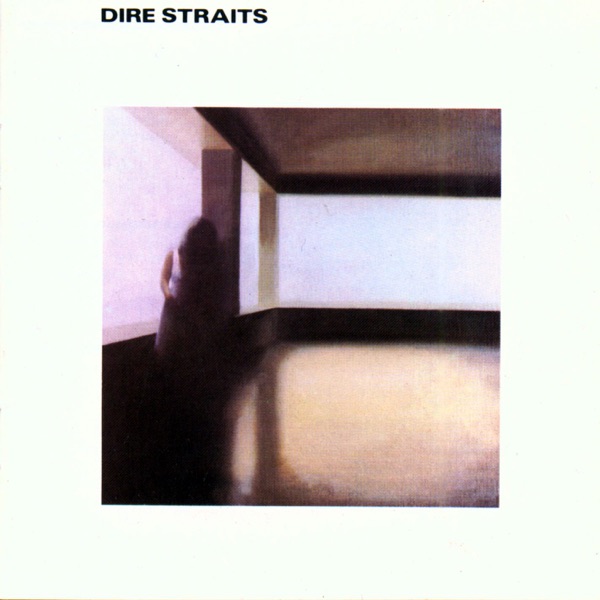
- 1978 Dire Straits
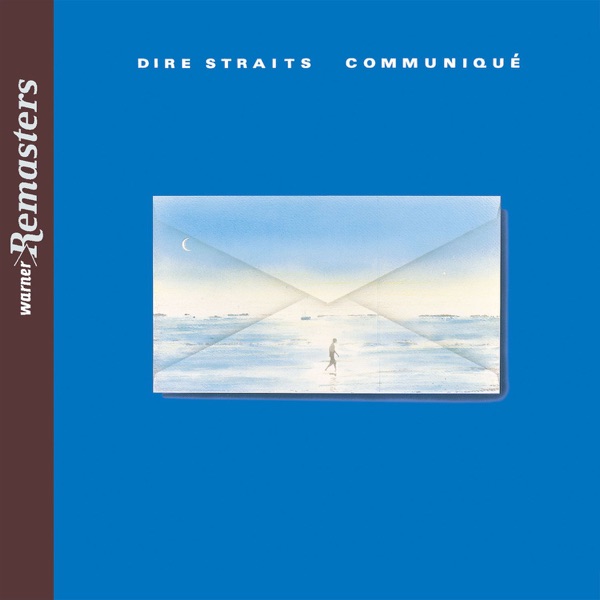
- 1979 Communiqué
- 1980 Making Movies
- 1982 Love Over Gold
- 1985 Dire Straits Costa Mesa 1985
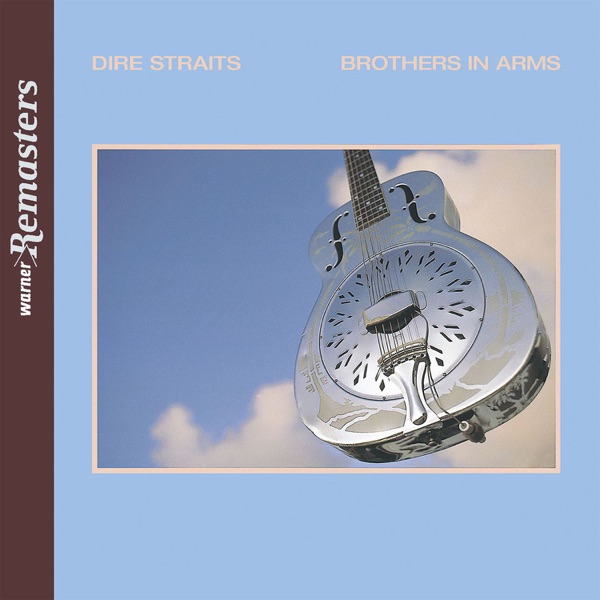
- 1985 Brothers in Arms
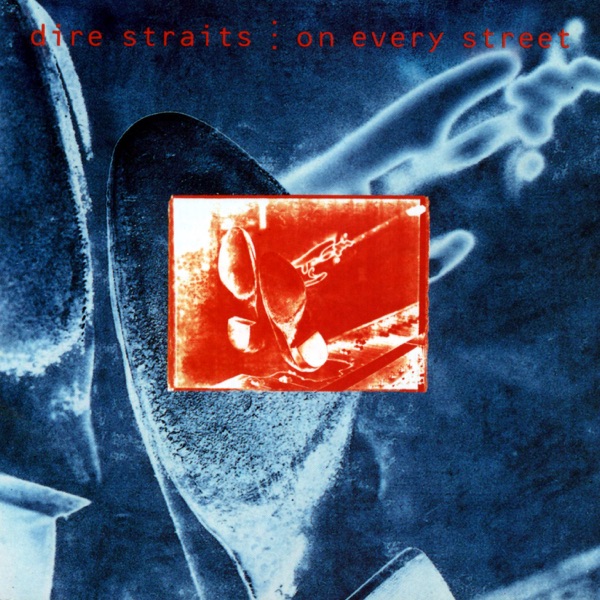
- 1991 On Every Street
Source: MusicBrainz
Deep Dive
Overview
Dire Straits were a British rock band formed in London in 1977 by Mark Knopfler, David Knopfler, John Illsley, and Pick Withers. Beginning as an understated pub-rock outfit in Deptford, the band evolved into one of the 1980s’ most commercially dominant acts, selling millions of records worldwide without sacrificing musical sophistication. Their rise marked a shift in rock’s mainstream: a guitar-driven, blues-inflected sound built on precise arrangement and restrained vocal delivery rather than bombast or irony.
Formation Story
Dire Straits coalesced in 1977 when Mark Knopfler, a guitarist and songwriter with a background in folk and country music, brought together his older brother David on guitar, John Illsley on bass, and drummer Pick Withers. The band emerged from Deptford, South London, a working-class area without a storied rock heritage. Instead of chasing punk’s confrontational energy or art-rock’s conceptual pretension, they oriented themselves toward the blues and country traditions that had shaped British rock from its origins. Their name, self-titled debut recorded in 1978, signaled their intent: no pretense, no flourish—just skilled musicians playing songs about ordinary life with uncommon clarity.
Breakthrough Moment
Dire Straits’ 1978 self-titled debut album introduced Mark Knopfler’s fingerstyle guitar technique and deadpan lyrical voice to a wider audience, but the band remained a critically respected cult act through the late 1970s. Making Movies, released in 1980, marked a significant escalation in their profile and commercial reach. The album demonstrated tighter songwriting and more ambitious production than its predecessors, establishing the formula that would define their peak era: intricate guitar interplay, precise rhythm-section work, and lyrics that portrayed characters and scenes from contemporary British life without sentimentality. This transition positioned Dire Straits for the stadium success that followed in the 1980s.
Peak Era
Dire Straits’ most creatively assured and commercially dominant period spanned 1982 to 1985, beginning with Love Over Gold in 1982 and culminating in Brothers in Arms, released in 1985. During these years, the band refined their live presence, expanded their touring scope, and benefited from MTV’s appetite for stylish guitar-driven rock. Brothers in Arms became a defining album of the decade, reaching audiences far beyond rock’s traditional base and achieving multi-platinum status globally. The album’s production, mixing studio sophistication with the band’s foundational blues-rock clarity, set a template for mainstream rock in the mid-1980s. The band took a hiatus from 1988 to 1990, then reconvened with On Every Street in 1991 before dissolving again in 1995.
Musical Style
Dire Straits’ sound rested on Mark Knopfler’s distinctive approach to electric guitar. Rather than relying on heavy distortion or effects, Knopfler employed fingerstyle picking and a lean, often muted tone that allowed the instrument’s mechanical complexity to become the voice of the song. This technique drew from both blues tradition—particularly the fingerstyle work of Chet Atkins and J.J. Cale—and the spare arrangements of early 1970s country rock. Melodically, his songwriting favored minor keys and blue notes, creating a bittersweet character that never descended into melodrama. Vocally, Knopfler delivered lyrics in a dry, conversational tone that emphasized narrative clarity over emotional display. The rhythm section—Illsley’s bass lines and Withers’ drumming—locked into groove-oriented patterns influenced by funk and soul, giving the music a propulsive swing despite its blues-rock foundation. Over time, the band incorporated keyboard textures and more elaborate production, but the core logic remained: restraint, precision, and the primacy of the instrument over artificial enhancement. This approach positioned them within pub rock and country-rock lineages while remaining distinctly their own.
Major Albums
Dire Straits (1978)
The debut album introduced Mark Knopfler’s fingerstyle guitar technique and established the band’s blueprint of character-driven blues-rock songs. Tracks like “Sultans of Swing” became calling cards for Knopfler’s technical ability and restrained emotional delivery.
Making Movies (1980)
A marked step forward in production sophistication and songwriting maturity, this album demonstrated the band’s ability to craft longer, more architecturally complex songs. It solidified their transition from cult act to chart contenders.
Love Over Gold (1982)
Released at the height of the band’s creative confidence, this album deepened the blues-rock foundation while expanding the sonic palette. It showcased the band’s mastery of dynamic arrangement and emotional understatement.
Brothers in Arms (1985)
Dire Straits’ most commercially successful album, Brothers in Arms reached global audiences and exemplified mainstream rock production of the decade. The album balances studio polish with the band’s foundational simplicity, becoming one of the most streamed rock albums of the 1980s.
On Every Street (1991)
The band’s first release after their 1988–1990 hiatus, On Every Street found them returning to live performance and guitar-driven arrangements. The album demonstrated that their core approach remained vital despite the musical shifts of the late 1980s.
Signature Songs
- “Sultans of Swing” — The archetypal Mark Knopfler showcase, a fingerstyle guitar showcase that became the band’s most recognizable instrumental moment.
- “Money for Nothing” — A satirical take on MTV materialism that became a stadium rock staple and one of the band’s most commercially dominant songs.
- “Tunnel of Love” — A spare, emotionally direct ballad that demonstrated the band’s ability to move audiences through restraint rather than crescendo.
- “Private Investigations” — A long-form track built on fingerstyle guitar and a noir-inflected narrative, exemplifying the band’s approach to extended composition.
- “Brothers in Arms” — The title track of their peak-era album, a meditation on conflict and reconciliation that became an unexpected rock radio staple.
- “Walk of Life” — A groove-oriented track that showed the band’s facility with funk-influenced rhythm without abandoning their blues-rock core.
Influence on Rock
Dire Straits’ success demonstrated that technically proficient, blues-rooted rock music could achieve stadium-level commercial success without compromising compositional or instrumental sophistication. Their rise coincided with and partly influenced MTV’s transition from a purely youth-oriented channel to one that accommodated adult-oriented rock, and their music videos—particularly for “Money for Nothing”—became defining images of 1980s rock. The band’s approach to production and arrangement influenced generations of 1980s and 1990s rock bands who sought to balance studio sophistication with live-performance authenticity. Their fingerstyle technique and spare approach to tone influenced guitarists across multiple genres, from rock to country to pop, demonstrating that technological minimalism could yield maximum impact. The band’s refusal to adopt either punk’s aggression or synth-pop’s electronic ambitions positioned them as guardians of a guitar-based rock tradition, a role that lent them cultural authority in debates about rock’s future during a period of rapid musical change.
Legacy
Dire Straits disbanded in 1995, with Mark Knopfler pursuing a solo career that largely paralleled the band’s thematic concerns: blues-influenced storytelling, country-rock instrumentation, and an emphasis on live band performance over studio manipulation. The band’s albums, particularly Brothers in Arms, have achieved sustained streaming presence and continue to sell steadily across formats. Their influence on popular rock production and arrangement remains embedded in the work of subsequent generations of musicians. The band’s technical precision and refusal of rock cliché have aged better than many of their contemporaries’ work, positioning them as a bridge between 1970s progressive and blues-rock traditions and the more production-conscious approaches of the 1980s mainstream. Though the band did not reunite for touring after their 1995 dissolution, their recorded legacy remains central to discussions of 1980s rock music.
Fun Facts
- Mark Knopfler’s fingerstyle guitar technique, evident on tracks like “Sultans of Swing,” became so widely imitated that it became a defining template for 1980s rock guitar playing despite Knopfler’s own blues and country music influences predating the band’s formation.
- The band’s name was reportedly inspired by their manager’s comment that getting a record deal would be “dire straits”—a double meaning referencing both the Strait of Gibraltar and the phrase indicating financial difficulty.
- Dire Straits maintained relative creative stability across their existence, with Mark Knopfler as the primary songwriter throughout the band’s active years, a rarity in rock bands of comparable longevity and commercial success.
Discography & Previews
Click any album to expand its track list. Each track plays a 30-second preview streamed from Apple Music. Tap the link icon next to a track to open it in Apple Music for full playback.