
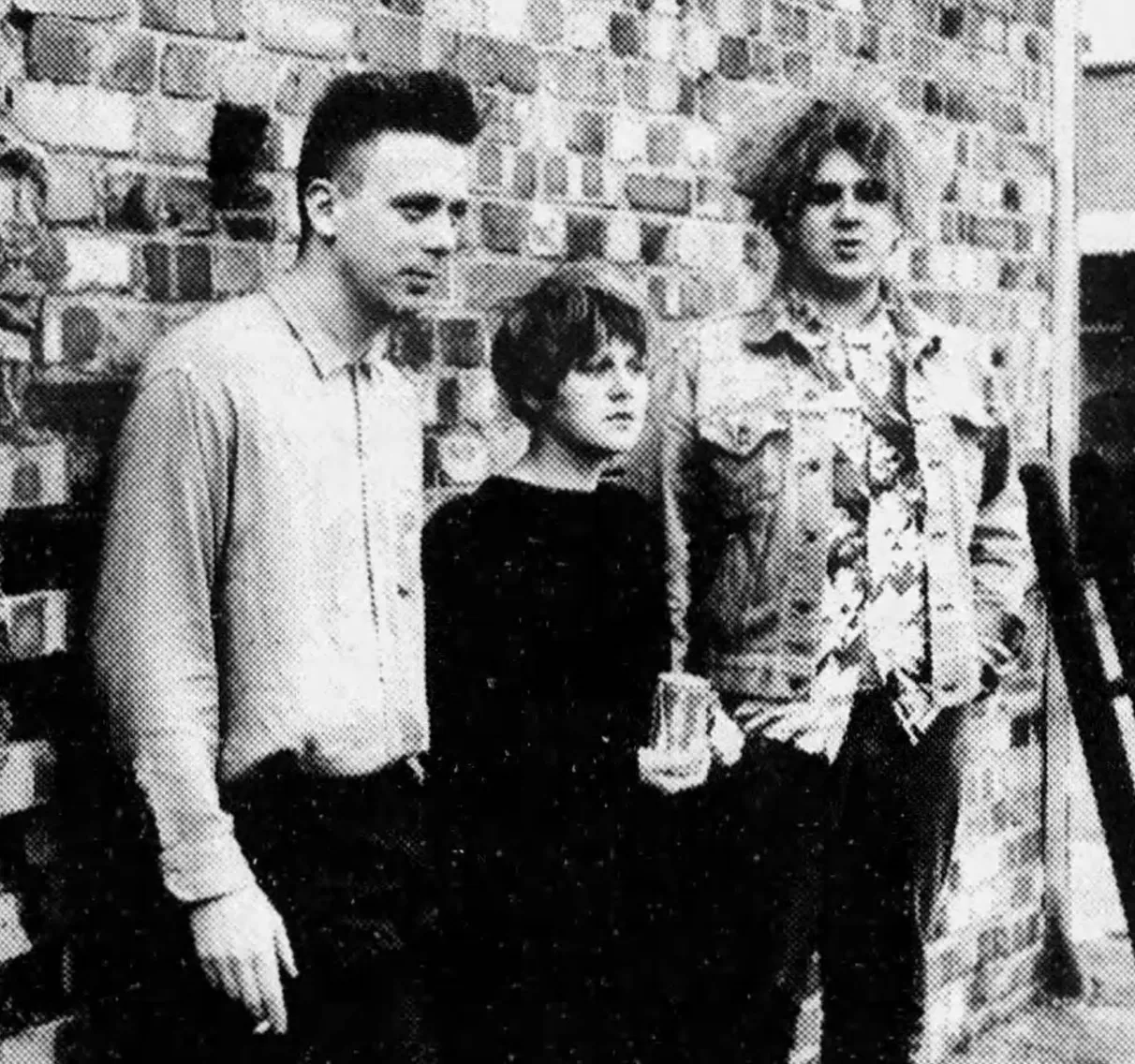
Photo by Associated Press , licensed under Public domain · Wikimedia Commons
Rank #115
Cocteau Twins
Scottish dream-pop pioneers whose ethereal vocals shaped 4AD aesthetics.
From Wikipedia
Cocteau Twins were a Scottish rock band active from 1979 to 1997. They were formed in Grangemouth on the Firth of Forth by Robin Guthrie and Will Heggie (bass), adding Elizabeth Fraser (vocals) in 1981. In 1983, Heggie was replaced by multi-instrumentalist Simon Raymonde. The group earned critical praise for their ethereal, effects-laden sound and the soprano vocals of Fraser, whose lyrics often eschew any recognisable language. They pioneered the 1980s alternative subgenre of dream pop and helped define what would become shoegaze.
Members
- Elizabeth Fraser
- Robin Guthrie
- Simon Raymonde
- Will Heggie
Studio Albums
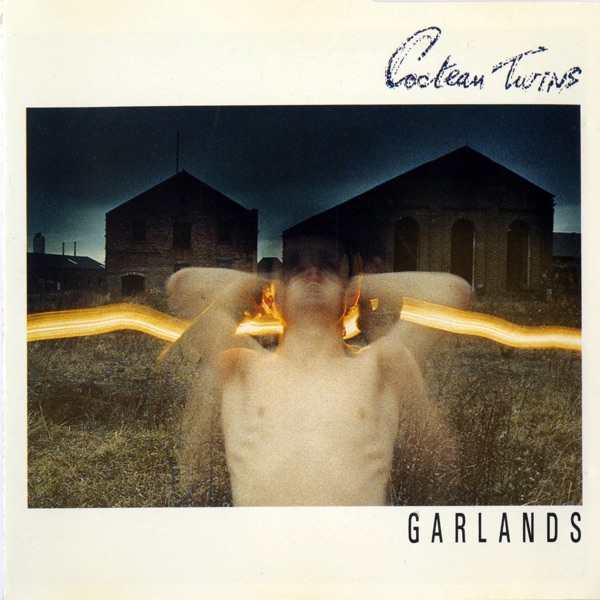
- 1982 Garlands
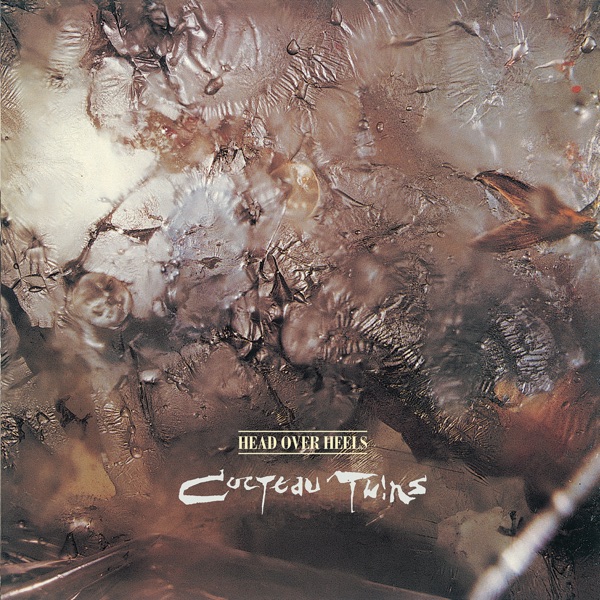
- 1983 Head Over Heels
- 1984 Treasure
- 1986 Victorialand
- 1988 Blue Bell Knoll
- 1990 Heaven or Las Vegas
- 1993 Four-Calendar Café
- 1996 Milk & Kisses
Source: MusicBrainz
Deep Dive
Overview
Cocteau Twins were a Scottish rock band that operated from 1979 to 1997, emerging from Grangemouth on the Firth of Forth to become one of the most distinctive voices in 1980s alternative music. Built around Robin Guthrie’s intricate guitar textures and Elizabeth Fraser’s wordless, soaring vocals, the trio defined a sound—ethereal, atmospheric, and untethered from conventional lyrical language—that would prove foundational to both dream pop and the shoegaze movement. The band became closely identified with the 4AD record label, embodying that imprint’s aesthetic of atmospheric experimentation and emotional reserve.
Formation Story
Robin Guthrie and Will Heggie formed Cocteau Twins in 1979 in Grangemouth, a small Scottish town west of Edinburgh. The pair initially created music that drew from post-punk and gothic rock sensibilities, but the addition of Elizabeth Fraser as vocalist in 1981 fundamentally transformed their direction. In 1983, as the band’s sound deepened and expanded, Heggie departed and was replaced by multi-instrumentalist Simon Raymonde, completing the classic trio that would carry the band through its most creative and commercially successful period.
Breakthrough Moment
Cocteau Twins’ early records on 4AD established them as architects of a new sonic territory. Their 1982 debut, Garlands, presented a raw, angular vision; the follow-up, Head Over Heels (1983), refined and expanded that palette. However, Treasure (1984) marked the moment when the band’s vision crystallized into its most recognizable form: Guthrie’s layered, shimmering guitars creating vast sonic spaces while Fraser’s vocals—untethered from conventional syntax—became the primary melodic and emotional instrument. The album’s success on college radio and among alternative audiences signaled that the band had moved from curiosity to genuine influence.
Peak Era
The mid-to-late 1980s represented Cocteau Twins at their commercial and critical zenith. Victorialand (1986) and Blue Bell Knoll (1988) deepened the band’s signature approach: intricate production, effects-heavy instrumentation, and Fraser’s increasingly confident wordless vocals that communicated emotion through pure vowel and breath rather than linguistic meaning. Heaven or Las Vegas (1990) arrived at a moment when shoegaze was coalescing as a genre, and Cocteau Twins occupied an elder statesman position within that landscape, having pioneered many of its sonic preoccupations a decade prior. The album was their most polished work to date, balancing accessibility with their inherent experimentalism.
Musical Style
Cocteau Twins’ sound rested on the tension between precision and abstraction. Guthrie’s guitar work—heavily processed through effects pedals and studio treatments—created orchestral washes and intricate fingerpicking patterns that functioned as both rhythm and melody. Simon Raymonde’s bass and keyboard work added harmonic depth and textural variety, often operating in counterpoint to the guitar lines. Underneath this instrumental architecture, Elizabeth Fraser’s voice was the focal point: a soprano of considerable range and flexibility that moved through scales and ornamental passages without adhering to recognizable words or conventional sentence structure. The lyrics, when discernible, often seemed more interested in the sound of language than its semantic content, creating an effect of emotional immediacy without narrative clarity. The band’s production aesthetic—embracing studio as instrument—meant their recorded work took on a specific intimacy; they sounded pristine and artificial in a way that emphasized the handmade quality of their arrangements.
Major Albums
Treasure (1984)
The album that brought the band’s core aesthetic into full focus, Treasure balanced Guthrie’s dense, reverb-drenched guitar work with Fraser’s confident wordless vocals, establishing the template for which they would be known.
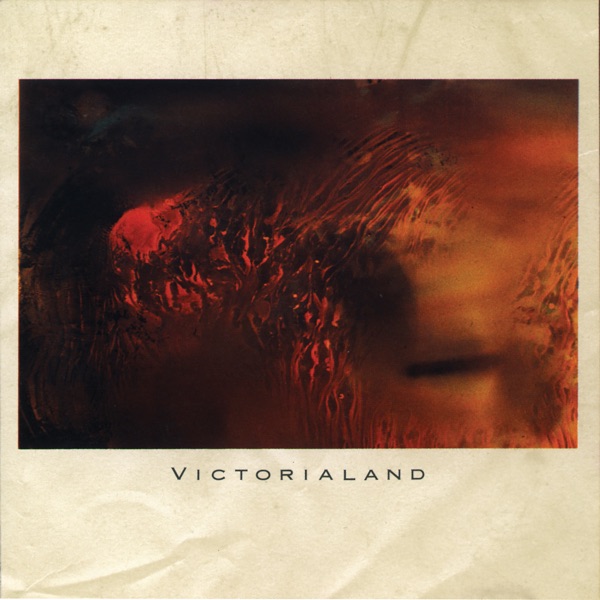
Victorialand (1986)
A more experimental and languid work than Treasure, Victorialand showcased Guthrie’s production sophistication and pushed Fraser’s vocal abstractions further, creating what remains among the most otherworldly recordings of the decade.
Blue Bell Knoll (1988)
Cocteau Twins’ most sonically complex statement, with intricate interplay between guitar, bass, and keyboards that showcased the band’s technical maturity and compositional ambition at their height.
Heaven or Las Vegas (1990)
Arriving during the shoegaze boom they had indirectly influenced, this album represented the band’s most polished work—accessible yet uncompromising, it proved their approach could reach beyond the underground.
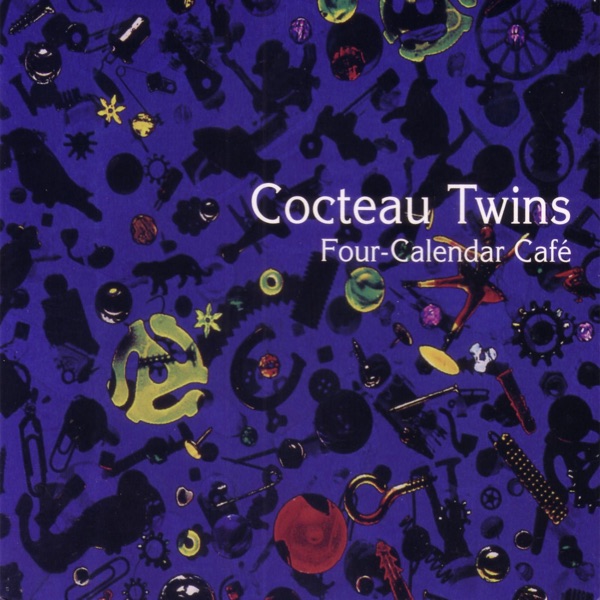
Four-Calendar Café (1993)
Recorded after an extended hiatus, Four-Calendar Café found the band returning to a slightly more rhythmic and dance-influenced sound, though without sacrificing their fundamental ethereal character.
Signature Songs
- Pearly-Dewdrops’ Drops — Fraser’s wordless vocals shimmer over interlocking guitar figures, demonstrating the band’s ability to create pop-inflected moments within their abstract framework.
- Cherry-Coloured Funk — A showcase for Raymonde’s bass and Guthrie’s rhythmic guitar interplay, this track exemplifies their approach to rhythm and texture.
- Alison — Among the band’s most recognizable compositions, this piece balances Guthrie’s clean guitar tones with Fraser’s soaring, wordless melodic lines.
- Lorelei — A sustained exploration of atmospheric production and Fraser’s extended vocal techniques, defining the band’s capacity for emotional depth without literal language.
Influence on Rock
Cocteau Twins arrived at a moment when post-punk was fragmenting into numerous subgenres, and their embrace of studio texture, vocal abstraction, and emotional atmosphere opened a new direction for alternative rock. By treating the voice as an instrument of pure sound rather than a vehicle for lyrical narrative, Fraser expanded the possibilities of rock vocals; the echo of her approach can be heard throughout shoegaze, dream pop, and ethereal wave. The band’s success demonstrated that music built on texture and atmosphere—rather than conventional song structure or lyrical content—could achieve both critical credibility and listener devotion. Their work on 4AD helped solidify that label’s aesthetic identity and showed that experimental and commercially viable music need not be contradictory.
Legacy
Cocteau Twins dissolved in 1997, leaving behind eight studio albums that have sustained constant critical reevaluation and passionate listener followings across decades. The band’s influence expanded considerably in the 2000s and 2010s as dream pop, shoegaze, and ethereal wave experienced critical reappraisal; retrospective listeners discovered that Cocteau Twins had been working in these modes a decade or more before those terms gained currency. The 4AD catalog remains continuously available on streaming platforms, introducing each generation to Fraser’s singular vocal presence and Guthrie’s production artistry. Elizabeth Fraser’s relative absence from the public eye post-1997—aside from occasional collaborations—has only deepened the mystique surrounding the band’s legacy; the music has come to seem less a product of a moment than a timeless articulation of a particular kind of beauty and emotional abstraction.
Fun Facts
- Elizabeth Fraser’s lyrics were often written in a private shorthand language that only she could decipher, ensuring that the emotional content of the songs remained deliberately opaque to listeners.
- The band took their name from a character in a Michael Powell and Emeric Pressburger film, reflecting their cinematic approach to sound and atmosphere.
- Robin Guthrie and Simon Raymonde have continued to collaborate on solo and collaborative projects long after the band’s dissolution, maintaining the musical dialogue they developed over nearly two decades together.
- Cocteau Twins were among the earliest 4AD artists to achieve sustained mainstream attention, helping establish the label’s reputation for sophisticated production and alternative credibility.
Discography & Previews
Click any album to expand its track list. Each track plays a 30-second preview streamed from Apple Music. Tap the link icon next to a track to open it in Apple Music for full playback.
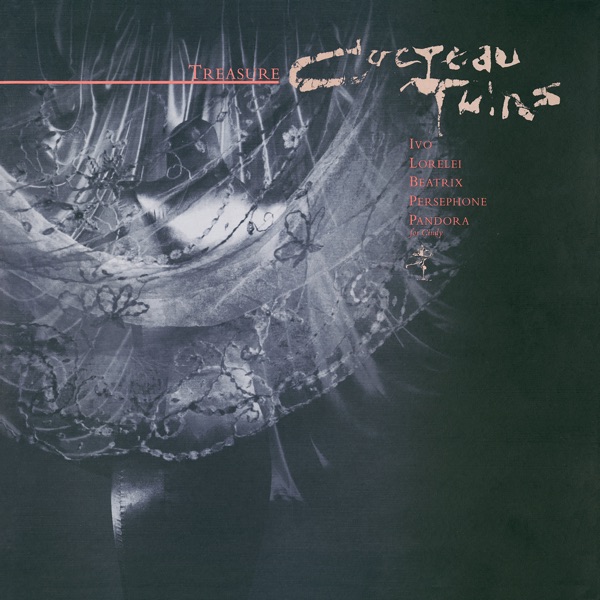



- 1 Violaine (2024 Remaster) ↗ 3:47
- 2 Serpentskirt (2024 Remaster) ↗ 4:00
- 3 Tishbite (2024 Remaster) ↗ 3:51
- 4 Half-Gifts (2024 Remaster) ↗ 4:18
- 5 Calfskin Smack (2024 Remaster) ↗ 5:00
- 6 Rilkean Heart (2024 Remaster) ↗ 4:00
- 7 Ups (2024 Remaster) ↗ 3:38
- 8 Eperdu (2024 Remaster) ↗ 4:37
- 9 Treasure Hiding (2024 Remaster) ↗ 4:55
- 10 Seekers Who Are Lovers (2024 Remaster) ↗ 4:39