
Photo by Chris W. Braunschweiger ( talk ) , licensed under CC BY-SA 4.0 · Wikimedia Commons
Rank #135
Wolfmother
Sydney trio mining Sabbath and Zeppelin riffs for a new generation.
From Wikipedia
Wolfmother is an Australian hard rock band from Sydney. Formed in 2004, the group is centred around vocalist and guitarist Andrew Stockdale, who is the only constant member of the line-up. The band has been through many personnel changes since their formation. The original – and most commercially successful – line-up included bassist and keyboardist Chris Ross and drummer Myles Heskett. Ross and Heskett left Wolfmother after four years in 2008.
Members
- Chris Ross
Studio Albums
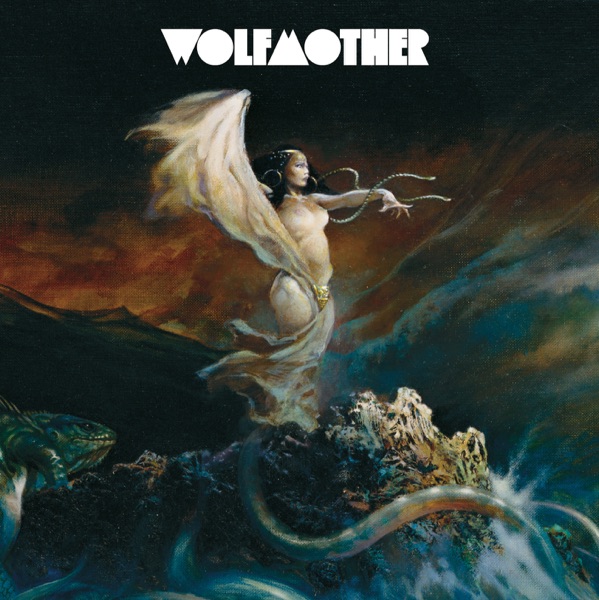
- 2005 Wolfmother
- 2009 Cosmic Egg
- 2014 New Crown
- 2016 Victorious
- 2019 Rock’n’Roll Baby
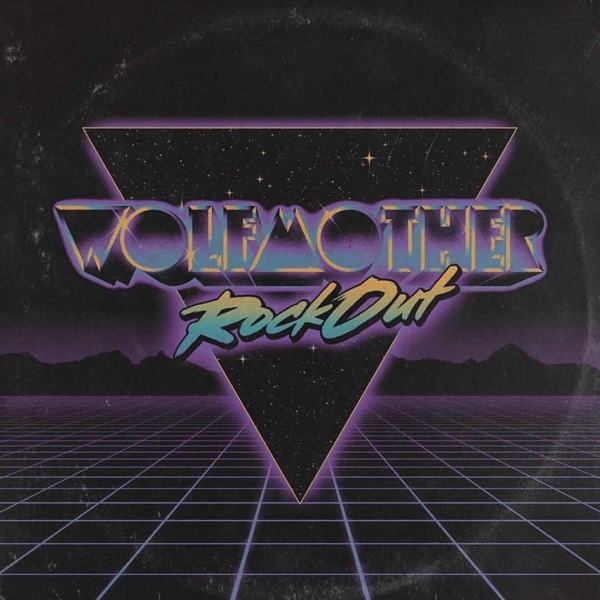
- 2021 Rock Out
Source: MusicBrainz
Deep Dive
Overview
Wolfmother is an Australian hard rock band from Sydney that emerged in 2004 as a deliberate throwback to the heavy blues-rock foundations of 1970s hard rock and stoner metal. Centred around vocalist and guitarist Andrew Stockdale, the band synthesises the monolithic riffing of Black Sabbath with the melodic swagger of Led Zeppelin, channelling those influences through a 21st-century production lens. Over two decades, Wolfmother has endured significant lineup changes but maintained Stockdale’s vision as the creative anchor, producing a catalogue that spans six studio albums and attracting a devoted international fanbase drawn to their maximalist approach to distorted guitar and heavy grooves.
Formation Story
Wolfmother coalesced in Sydney around 2004, with Andrew Stockdale at the centre as vocalist and guitarist. The original lineup was completed by bassist and keyboardist Chris Ross and drummer Myles Heskett. This trio would define the band’s initial identity and commercial momentum, recording their debut under this configuration. The band’s emergence in the mid-2000s coincided with a broader resurgence of interest in heavy blues-rock aesthetics among younger audiences, a reaction against the dominant alternative rock and nu-metal sounds of the preceding decade. Sydney’s rock scene, though smaller than those of London or Los Angeles, provided sufficient infrastructure and audience for Wolfmother to develop their sound before reaching international attention.
Breakthrough Moment
Wolfmother’s self-titled debut album, released in 2005, served as their breakthrough vehicle. The record announced the band’s arrival with confident, guitar-driven hard rock that recalled but did not pastiche the 1970s canonical works. This first album established Stockdale’s distinctive vocal presence—a high-register, soaring delivery that could sustain lines over densely layered riffs—and set the template for the band’s songwriting approach: straightforward rock structures built on powerful, often blues-derived guitar motifs. The album’s commercial and critical reception positioned Wolfmother as a significant new voice in hard rock, earning them international touring opportunities and establishing their credentials beyond Australian borders.
Peak Era
The band’s peak commercial and creative period spanned their first two albums. Following the success of the 2005 self-titled, Wolfmother released Cosmic Egg in 2009, an album that consolidated their sound while exploring somewhat broader sonic territory. However, the departure of both Chris Ross and Myles Heskett in 2008—after four years with the band—marked a significant disruption. The loss of the original rhythm section prompted a series of lineup shifts that would characterise Wolfmother’s trajectory thereafter. Despite these changes, Stockdale continued to drive the band forward, releasing New Crown in 2014 and Victorious in 2016. These mid-decade albums demonstrated Stockdale’s commitment to the core Wolfmother aesthetic even as the band’s roster evolved around him.
Musical Style
Wolfmother’s sound is built on the intersection of stoner rock heaviness and hard rock melodicism. The band’s approach privileges thick, distorted guitar tones and riff-driven song structures that create a wall-of-sound effect reminiscent of early Sabbath productions, yet Stockdale’s vocals and the band’s songwriting sensibility prevent the music from collapsing into pure heaviness. Their arrangements typically feature layered guitars—often with keyboards contributing textural depth and harmonic complexity—that create a dense, almost symphonic quality atypical of traditional stoner rock. The rhythm section anchors these heavy, often slow-to-mid-tempo grooves, allowing the guitar and vocal melodies to assume primary narrative roles. Lyrically, Wolfmother operates in the tradition of classic hard rock, addressing themes of power, transcendence, and existential resilience without resorting to explicit storytelling or conceptual frameworks.
Major Albums
Wolfmother (2005)
The debut established the band’s core identity: blues-rock riffs executed with modern production clarity, Stockdale’s distinctive vocal presence, and a confidence in simplicity that paid dividends in memorability and impact.
Cosmic Egg (2009)
Released after the departure of Ross and Heskett, Cosmic Egg saw Stockdale rebuilding the band’s lineup while maintaining sonic continuity, proving the durability of his songwriting and vision.
New Crown (2014)
Appearing five years after Cosmic Egg, New Crown marked a renewed recording phase for the reformed band, demonstrating Stockdale’s sustained commitment to the Wolfmother project despite earlier turbulence.
Victorious (2016)
This album continued the band’s trajectory through the mid-2010s, maintaining their signature heavy-yet-melodic approach across a new cycle of touring and recording activity.
Signature Songs
- Dimension — A defining early track that exemplifies the band’s ability to construct monumental riffs around accessible vocal melodies.
- White Unicorn — Showcases Stockdale’s soaring, confident vocal delivery and the band’s gift for making heavy music feel almost anthemic.
- Joker & the Thief — One of the band’s most recognisable compositions, combining blues-rock sensibility with memorable melodic hooks.
- Woman — Demonstrates the band’s capacity for dynamic arrangement and emotional intensity within their hard rock framework.
Influence on Rock
Wolfmother arrived at a moment when hard rock and metal were fractured into numerous subgenres and stylistic disputes. By unabashedly mining 1970s heavy rock without affectation or irony, they helped legitimise a return to foundational aesthetics in rock music. Their success demonstrated to younger musicians and audiences that the blues-rock tradition remained vital and commercially viable, influencing a cohort of 2010s hard rock bands that similarly looked backward to canonical sources for renewal. While not as culturally dominant as some of their contemporaries, Wolfmother’s consistent output and touring presence have sustained interest in the stoner-rock and traditional hard-rock idioms throughout the 2010s and beyond.
Legacy
Wolfmother’s legacy rests primarily on their role as custodians of a specific hard-rock tradition during a period when such aesthetics were not dominant in mainstream rock discourse. Despite significant lineup instability—with Stockdale as the sole constant member—the band has maintained a recording and touring schedule that has kept them relevant across three decades of rock music. Their six studio albums through 2021 demonstrate durability and sustained creative intent, even if individual releases have not achieved the commercial visibility of the early 2000s. In an era when legacy acts and nostalgia-driven touring dominate rock’s economic landscape, Wolfmother’s ongoing presence as an active recording entity speaks to the resilience of their core musical proposition: heavy, melodic, blues-derived hard rock that requires no ironic framing or conceptual apparatus to justify its existence.
Fun Facts
- Andrew Stockdale has remained the sole constant member throughout Wolfmother’s entire history, making him the unifying creative force across all six studio albums and countless lineup iterations.
- The band was originally formed in 2000 according to Wikidata records, though the 2004 date reflects their public emergence and first recordings as Wolfmother.
- Wolfmother signed to Modular Recordings, an independent label, rather than pursuing major-label distribution, maintaining creative autonomy throughout their initial rise.
Discography & Previews
Click any album to expand its track list. Each track plays a 30-second preview streamed from Apple Music. Tap the link icon next to a track to open it in Apple Music for full playback.