
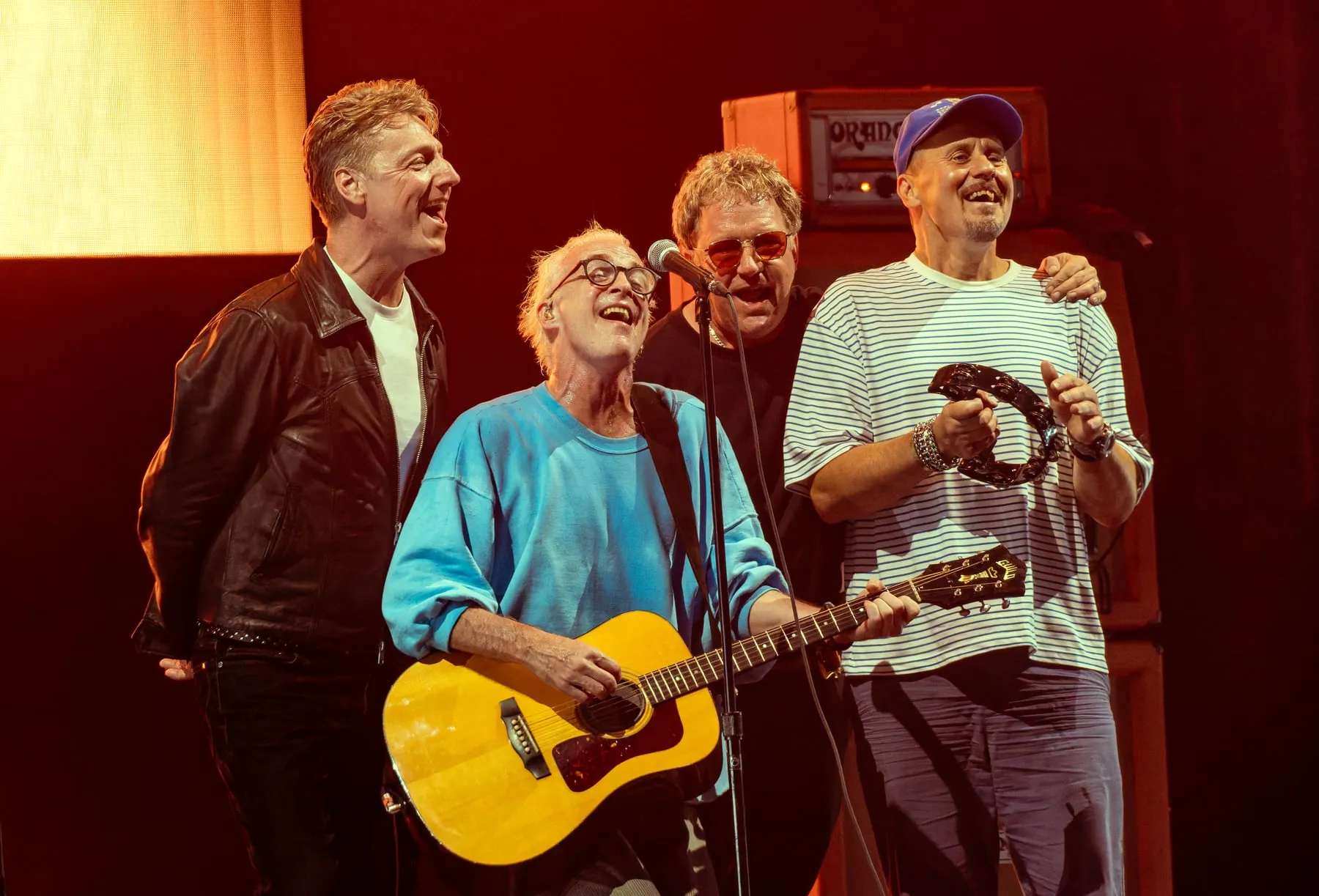
Photo by Raph_PH , licensed under CC BY 4.0 · Wikimedia Commons
Rank #472
Travis
Glasgow band whose post-Britpop melodicism opened the door for Coldplay.
From Wikipedia
Travis are a Scottish rock band formed in Glasgow in 1990, and composed of Fran Healy, Dougie Payne, Andy Dunlop and Neil Primrose. The band's name comes from the character Travis Henderson from the film Paris, Texas (1984). The band released their debut album, Good Feeling (1997), to moderate success where it debuted at number nine on the UK Albums Chart and was later awarded a silver certification from the British Phonographic Industry (BPI) in January 2000.
Members
- Andy Dunlop
- Dougie Payne
- Fran Healy
- Neil Primrose
Studio Albums
- 1997 Good Feeling
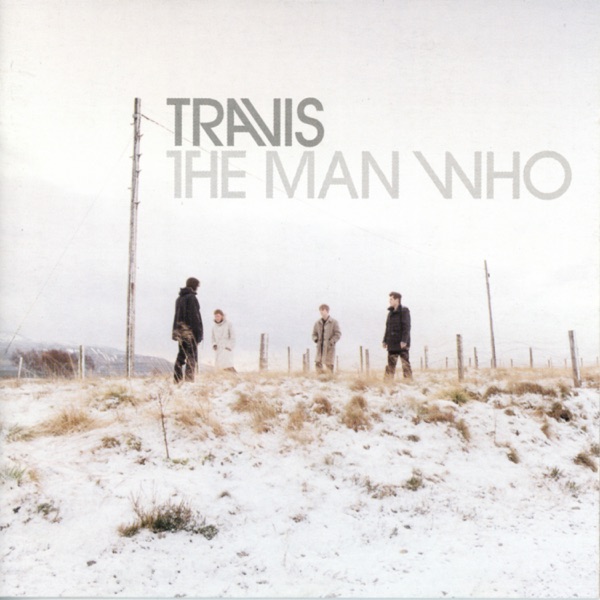
- 1999 The Man Who
- 2001 The Invisible Band
- 2003 12 Memories
- 2007 The Boy With No Name
- 2008 Ode to J. Smith
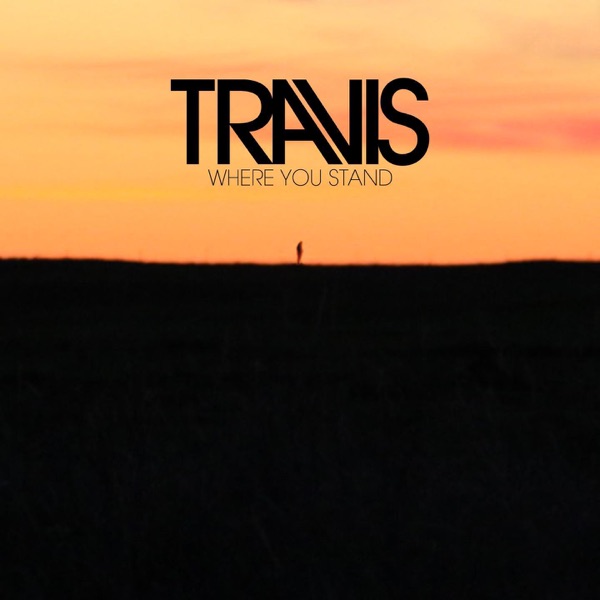
- 2013 Where You Stand
- 2016 Everything at Once
- 2020 10 Songs
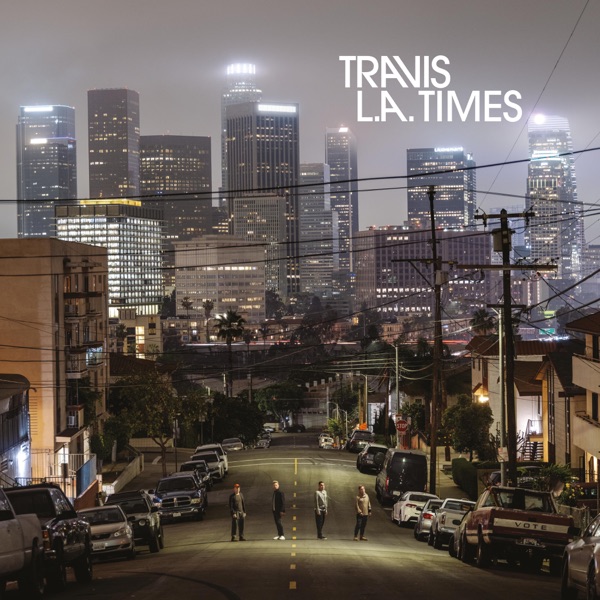
- 2024 L.A. Times
Source: MusicBrainz
Deep Dive
Overview
Travis are a Scottish rock band formed in Glasgow in 1990, composed of Fran Healy, Dougie Payne, Andy Dunlop, and Neil Primrose. Named after the protagonist of Wim Wenders’ 1984 film Paris, Texas, the band emerged as a defining voice of post-Britpop melodicism in the late 1990s, crafting emotionally direct rock songs that prioritised hook-laden songwriting and earnest vocal delivery. Their ascent from Glasgow’s alternative music scene to international recognition bridged the gap between Britpop’s exhaustion and the alternative rock mainstream of the 2000s, establishing a template of introspective yet accessible indie rock that would directly influence bands like Coldplay.
Formation Story
Travis took shape in Glasgow in 1990, a city with a rich independent music tradition anchored by bands like The Jesus and Mary Chain and Primal Scream. The four-piece consolidated around core members Fran Healy (vocals, guitar), Dougie Payne (bass), Andy Dunlop (guitar), and Neil Primrose (drums), each contributing to the band’s emerging sound. The band’s choice of name drew from the eponymous drifter character in Paris, Texas, signalling a thoughtful, artistic sensibility that would permeate their songwriting from the outset. Throughout the early 1990s, they developed their craft in Glasgow’s local venues and rehearsal spaces, absorbing the city’s guitar-rock traditions while synthesising influences from across indie rock’s broader landscape.
Breakthrough Moment
Travis’s commercial breakthrough arrived with their debut album Good Feeling, released in 1997. The record debuted at number nine on the UK Albums Chart and demonstrated an immediate commercial appeal that positioned the band beyond the underground. The album’s success was validated by a silver certification from the British Phonographic Industry in January 2000, establishing Travis as a significant presence in British rock at a moment when Britpop’s cultural dominance was fracturing. Good Feeling announced a band comfortable with melody and emotional transparency—qualities that would define their approach across subsequent releases and distinguish them in a landscape increasingly sceptical of 1990s excess.
Peak Era
Travis’s most commercially successful and creatively assured period arrived between 1999 and 2001, spanning the albums The Man Who (1999) and The Invisible Band (2001). These records solidified their standing as a major force in British rock, combining infectious melodies with introspective lyricism and a production approach that prioritised clarity and space. The albums demonstrated a band in full command of their identity, writing songs that balanced accessibility with emotional depth. This two-album stretch established Travis as the template for post-Britpop rock—less anthemic than Oasis, less ethereal than Radiohead, but possessed of a distinctive melodic confidence that resonated across audiences and influenced the broader trajectory of alternative rock in the following decade.
Musical Style
Travis constructed their sound around Fran Healy’s conversational, often introspective vocal delivery, supported by clean electric guitar work from Andy Dunlop that emphasised melodic runs and textured accompaniment rather than aggressive distortion. The rhythm section of Dougie Payne on bass and Neil Primrose on drums provided a sturdy, groove-conscious foundation that kept the band’s compositions anchored despite their often-ethereal production. The band’s approach to post-Britpop drew heavily on 1960s pop sensibilities—particularly the harmonic sophistication and production clarity of bands like The Beatles and early Burt Bacharach-influenced rock—filtered through 1990s alternative rock aesthetics. Their sound evolved across their catalogue, incorporating elements of art rock and occasionally folk-inflected instrumentation, but remained consistently defined by an emphasis on singable, memorable melodies and direct emotional expression. The band’s production choices—spacious mixing, prominent vocal placement, subtle orchestration—reflected a larger movement away from Britpop’s more bombastic arrangements toward a more intimate, introspective aesthetic.
Major Albums
The Man Who (1999)
The album that cemented Travis’s international profile, The Man Who refined the formula introduced on Good Feeling into something more cohesive and ambitious, showcasing the band’s ability to craft album-length narratives through interconnected melodic and thematic threads.
The Invisible Band (2001)
Travis’s third studio album represented the band at their creative peak, demonstrating increased sophistication in arrangement and songwriting while maintaining the accessibility that defined their appeal, establishing them as a serious alternative rock band beyond British shores.
12 Memories (2003)
Released after a period of relative chart inactivity, 12 Memories saw the band exploring darker, more introspective territory while retaining their signature melodic sensibility.
The Boy With No Name (2007)
A later-period album that showed the band continuing to develop their sound without fundamental stylistic reinvention.
Where You Stand (2013)
After a period of quieter activity, the album demonstrated Travis’s ongoing creative engagement and their ability to remain relevant in a dramatically transformed music industry landscape.
Signature Songs
- “Why Does It Always Rain on Me?” — The band’s most internationally recognisable song, a meditation on bad luck and resilience that became their defining commercial statement.
- “As You Are” — A showcase for Healy’s emotional vocal delivery and the band’s gift for crafting instantly memorable melodies.
- “More Than Us” — Demonstrates the band’s ability to balance introspection with infectious pop sensibility.
- “Turn” — A deeper album cut that exemplifies the band’s gift for layered arrangement and narrative songwriting.
Influence on Rock
Travis’s emergence and success in the post-Britpop landscape redefined what major-label alternative rock could be in the 2000s. Their template of emotionally direct yet melodically sophisticated rock—stripped of Britpop’s arch irony and stadium bombast—provided a direct blueprint for Coldplay’s stratospheric rise and influenced countless bands navigating the space between underground credibility and mainstream accessibility. The band’s emphasis on melody, production clarity, and earnest emotional expression shifted alternative rock’s centre of gravity away from the increasingly exhausted Britpop moment toward a more introspective, psychologically engaged approach. Their success demonstrated that British rock bands could achieve massive international success through melodic accessibility rather than cultural mythmaking or aggressive provocation, opening pathways for a generation of post-Britpop artists.
Legacy
Travis has maintained an active recording and touring presence across three decades, releasing new material regularly including Where You Stand (2013), Everything at Once (2016), 10 Songs (2020), and L.A. Times (2024). The band’s longevity reflects both their sustained creative engagement and their establishment as a canonical figure in British rock history. Though their commercial prominence peaked in the early 2000s, Travis remains a fixture in festival lineups and touring circuits, with their earlier catalogue continuing to circulate through streaming platforms and remaining present in cultural memory. Their contribution to post-Britpop rock—a distinct melodic and emotional register—has ensured their position as a significant influence on contemporary alternative rock practice, even as newer generations have built upon and departed from the template they established.
Fun Facts
- The band’s name derives from Travis Henderson, the protagonist of Wim Wenders’ 1984 film Paris, Texas, starring Harry Dean Stanton—a reference that signals the band’s engagement with art cinema and existential themes from their inception.
- Travis emerged from Glasgow, a city whose independent music tradition provided crucial context for their development, though they achieved their greatest commercial success in England and internationally rather than within their hometown scene.
- The band maintained their original four-member lineup across three decades of activity, a stability unusual among rock bands of their generation and scale.
Discography & Previews
Click any album to expand its track list. Each track plays a 30-second preview streamed from Apple Music. Tap the link icon next to a track to open it in Apple Music for full playback.

- 1 All I Want To Do Is Rock ↗ 3:53
- 2 U16 Girls ↗ 4:01
- 3 The Line Is Fine ↗ 4:05
- 4 Good Day To Die ↗ 3:17
- 5 Good Feeling ↗ 3:25
- 6 Midsummer Nights Dreamin' ↗ 3:55
- 7 Tied To The 90's ↗ 3:09
- 8 I Love You Anyways ↗ 5:31
- 9 Happy ↗ 4:16
- 10 More Than Us ↗ 3:56
- 11 Falling Down ↗ 4:18
- 12 Funny Thing ↗ 5:20
- 13 More Than Us (Original Version) ↗ 3:56

- 1 Sing (Remastered 2021) ↗ 3:49
- 2 Dear Diary (Remastered 2021) ↗ 2:57
- 3 Side (Remastered 2021) ↗ 3:59
- 4 Pipe Dreams (Remastered 2021) ↗ 4:06
- 5 Flowers In The Window (Remastered 2021) ↗ 3:42
- 6 The Cage (Remastered 2021) ↗ 3:06
- 7 Safe (Remastered 2021) ↗ 4:24
- 8 Follow The Light (Remastered 2021) ↗ 3:09
- 9 Last Train (Remastered 2021) ↗ 3:16
- 10 Afterglow (Remastered 2021) ↗ 4:06
- 11 Indefinitely (Remastered 2021) ↗ 3:51
- 12 The Humpty Dumpty Love Song (Remastered 2021) ↗ 5:04

- 1 Quicksand ↗ 2:39
- 2 The Beautiful Occupation ↗ 3:46
- 3 Re-Offender ↗ 3:48
- 4 Peace the F**k Out ↗ 2:56
- 5 How Many Hearts ↗ 4:46
- 6 Paperclips ↗ 3:36
- 7 Somewhere Else ↗ 3:13
- 8 Love Will Come Through ↗ 3:40
- 9 Mid-life Krysis ↗ 3:39
- 10 Happy To Hang Around ↗ 3:34
- 11 Walking Down the Hill ↗ 3:55
- 12 Some Sad Song ↗ 4:39

- 1 3 Times And You Lose ↗ 4:15
- 2 Selfish Jean ↗ 4:01
- 3 Closer ↗ 4:01
- 4 Big Chair ↗ 4:08
- 5 Battleships ↗ 4:12
- 6 Eyes Wide Open ↗ 2:59
- 7 My Eyes ↗ 4:08
- 8 One Night ↗ 4:01
- 9 Under the Moonlight ↗ 4:00
- 10 Out in Space ↗ 3:36
- 11 Colder ↗ 4:07
- 12 New Amsterdam ↗ 2:38
- 13 Sailing Away ↗ 3:31
- 14 Perfect Heaven Space ↗ 3:50



- 1 Bus ↗ 3:24
- 2 Raze the Bar ↗ 3:05
- 3 Live It All Again ↗ 3:24
- 4 Gaslight ↗ 3:24
- 5 Alive ↗ 2:49
- 6 Home ↗ 3:06
- 7 I Hope That You Spontaneously Combust ↗ 2:19
- 8 Naked In New York City ↗ 4:23
- 9 The River ↗ 2:16
- 10 L.A. Times ↗ 4:08
- 11 Bus (Stripped) ↗ 3:19
- 12 Raze the Bar (Stripped) ↗ 3:06
- 13 Gaslight (Stripped) ↗ 3:32
- 14 Naked In New York City (Stripped) ↗ 4:21
- 15 The River (Stripped) ↗ 1:42
- 16 L.A. Times (Stripped) ↗ 4:19