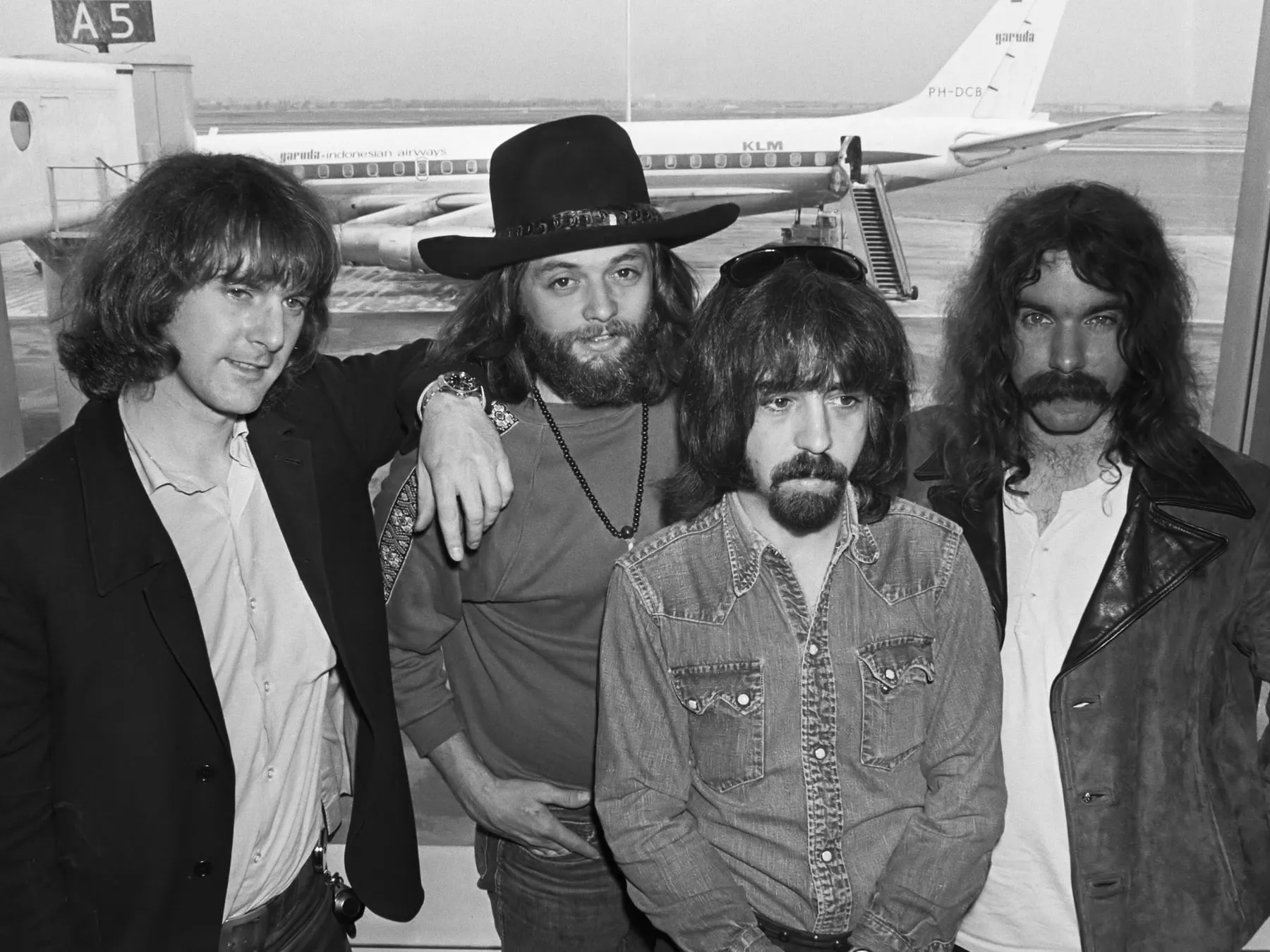
Photo by Joost Evers / Anefo , licensed under CC BY-SA 3.0 nl · Wikimedia Commons
Rank #80
The Byrds
L.A. jingle-jangle pioneers who fused Dylan's lyricism with electric guitars.
From Wikipedia
The Byrds were an American rock band formed in Los Angeles, California, in 1964. The band underwent multiple lineup changes; frontman Roger McGuinn was the sole consistent member. For a short time in the mid-1960s, the Byrds were among the most popular groups in the world, with critics considering them to be among the most influential rock acts of their era. The band's signature sound of "angelic harmonies" and McGuinn's jangly 12-string Rickenbacker guitar sound was "absorbed into the vocabulary of rock" and has continued to be influential.
Members
- Chris Hillman
- David Crosby
- Gene Clark
- Gram Parsons
- Roger McGuinn
Studio Albums
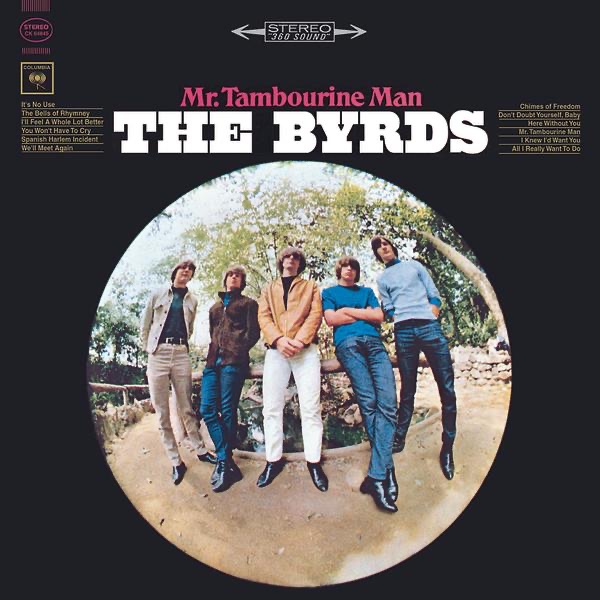
- 1965 Mr. Tambourine Man
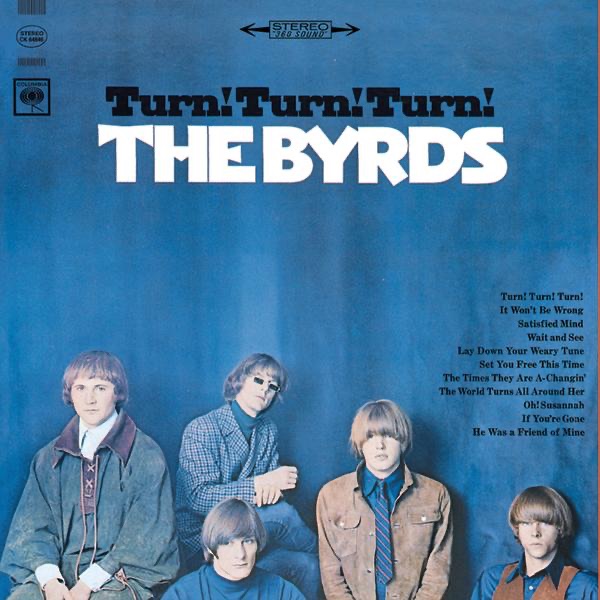
- 1965 Turn! Turn! Turn!
- 1966 Fifth Dimension
- 1967 Younger Than Yesterday
- 1968 Sweetheart of the Rodeo
- 1968 The Notorious Byrd Brothers
- 1969 Ballad of Easy Rider
- 1969 Dr. Byrds & Mr. Hyde
- 1970 (Untitled)
- 1971 Byrdmaniax
- 1971 Farther Along
- 1973 Byrds
- 1988 The Live Byrds – Live At Piper Club – Roma, May 2, 1968
Source: MusicBrainz
Deep Dive
Overview
The Byrds were an American rock band formed in Los Angeles in 1964 who synthesized the lyrical ambition of Bob Dylan with the jangly electricity of the British Invasion, creating a sound that reshaped popular rock in the mid-1960s. Led by frontman Roger McGuinn and his distinctive 12-string Rickenbacker guitar, the band became one of the most popular groups in the world for a brief but intense period, their “angelic harmonies” and shimmering arrangements absorbed into the permanent vocabulary of rock music. Over nine years and through numerous lineup changes, the Byrds charted a restless path through folk rock, psychedelia, and country rock, always led by McGuinn’s continuity and artistic restlessness.
Formation Story
The Byrds crystallized from Los Angeles’s mid-1960s folk and pop scene, drawing on the city’s tradition of session musicians and jingle singers. McGuinn, the group’s sole consistent member throughout its existence, brought his folk-guitar expertise and vision of electrifying acoustic songcraft. The founding lineup included David Crosby and Gene Clark, both accomplished harmonizers and songwriters, alongside Chris Hillman on bass. This configuration—McGuinn’s driving 12-string guitar, the layered vocal blend, and the tight rhythm section—became the template for the Byrds’ most celebrated work and the blueprint for the folk-rock genre itself.
Breakthrough Moment
The Byrds’ ascent accelerated with the release of Mr. Tambourine Man in 1965, an electric adaptation of Dylan’s song that introduced millions to McGuinn’s ricocheting 12-string sound and the band’s soaring vocal arrangements. The album announced a new fusion: Dylan’s poetic, socially conscious lyricism married to a rock instrumentation that owed as much to the Beatles as to traditional folk. That same year, Turn! Turn! Turn! cemented their commercial and critical standing, establishing the Byrds as the leading American counterpart to British rock’s dominance. These dual successes positioned them not merely as interpreters of Dylan but as architects of a new genre, one that would influence countless acts across the rock spectrum.
Peak Era
The Byrds’ most creatively fertile period extended from 1966 through 1968, during which they released four albums that documented their stylistic evolution. Fifth Dimension (1966) pushed toward psychedelia, fragmenting the folk-rock template into more experimental arrangements and abstract lyrics. Younger Than Yesterday (1967) balanced accessibility with introspection, showcasing the band’s growing sophistication in both composition and production. The arrival of Gram Parsons in 1968 catalyzed a shift toward country-rock on Sweetheart of the Rodeo, an album that merged the Byrds’ harmonic sensibility with the twang and storytelling of American country and western music. The Notorious Byrd Brothers (1968) maintained that experimental vigor while refining the group’s approach to rock instrumentation and vocal layering. During these years, the Byrds stood among the era’s most vital acts, their records circulating widely and their influence extending from their Los Angeles base to musicians worldwide.
Musical Style
The Byrds’ signature sound rested on McGuinn’s 12-string Rickenbacker guitar, an instrument that produced a shimmering, bell-like resonance that became instantly identifiable. This jangly texture—often compared to the Beatles’ guitar work—formed the bed over which Crosby, Clark, Hillman, and McGuinn wove multi-part vocal harmonies, frequently reminiscent of 1950s doo-wop or folk traditions. Lyrically, the band inherited Dylan’s model of poetic introspection and social observation, departing from the pop songcraft of earlier decades. As the 1960s progressed, the Byrds absorbed influences from psychedelic rock—studio experimentation, unconventional song structures, surreal imagery—while their work with Parsons introduced country instrumentation, acoustic guitars, and themes rooted in Americana. This restless stylistic migration reflected the band’s refusal to calcify; each album moved sideways rather than backward, always retaining McGuinn’s guitar and the vocal blend as anchors.
Major Albums
Mr. Tambourine Man (1965)
The debut established the formula of electric energy and vocal precision, leading with Dylan’s title track and introducing McGuinn’s 12-string as a defining voice in rock.
Turn! Turn! Turn! (1965)
The second album consolidated folk-rock’s commercial breakthrough and added Pete Seeger’s “Turn! Turn! Turn!” to the band’s catalog, proving their ability to elevate traditional and contemporary folk sources.
Fifth Dimension (1966)
This album ventured into psychedelic territory, with studio effects, unusual production choices, and more abstract songwriting that showed the Byrds moving beyond their folk-rock template.
Younger Than Yesterday (1967)
Balancing introspection with sophistication, the album showcased evolving musicianship and explored more personal, introspective songwriting while maintaining the group’s harmonic strengths.
Sweetheart of the Rodeo (1968)
With Gram Parsons’ arrival, the Byrds pivoted toward country rock, merging their harmonic legacy with pedal steel guitar and country songcraft, essentially inventing a hybrid that would define 1970s rock.
The Notorious Byrd Brothers (1968)
Released later in 1968, this album refined the country-rock synthesis and stood as a peak of the band’s creative ambition, featuring tighter arrangements and more confident execution of their expanding style.
Signature Songs
- “Mr. Tambourine Man” — The electric reimagining of Dylan’s folk song became the band’s calling card and the primary text in folk-rock’s founding.
- “Turn! Turn! Turn!” — Pete Seeger’s composition, arranged with the Byrds’ trademark harmonies, became an anthem of the era and demonstrated their gift for transforming existing material.
- “Eight Miles High” — A psychedelic exploration that pushed the boundaries of what rock radio would accept, featuring backward guitars and lysergic production.
- “So You Want to Be a Rock & Roll Star” — A satirical look at the music industry that showcased Crosby’s songwriting wit and the band’s instrumental tightness.
Influence on Rock
The Byrds’ fusion of Dylan’s lyrical gravity with electric rock instrumentation established folk-rock as a genre and proved that acoustic song craft could coexist with electric amplification and contemporary relevance. Their harmonies and McGuinn’s 12-string guitar became a template for countless American rock bands throughout the late 1960s and beyond. More broadly, the Byrds demonstrated that rock could absorb diverse influences—psychedelia, country, folk, even doo-wop vocal traditions—without losing coherence. The band’s evolution from folk-rock to psychedelia to country-rock provided a roadmap for artistic experimentation within commercial frameworks. Their work influenced the formation and sound of bands across multiple genres, from the Flying Burrito Brothers to later alternative rock acts who mined the jangle-pop tradition. The Byrds proved that a rock band could reinvent itself album to album while remaining recognizable and vital.
Legacy
The Byrds’ active period ended in 1973, after nine years of continuous creative output and numerous personnel shifts. During their run, they released twelve studio albums, a remarkable creative pace that captured the kaleidoscopic changes in rock music across the 1960s and early 1970s. Roger McGuinn’s central role throughout ensured a thread of continuity; his commitment to the band’s vision and willingness to evolve maintained the Byrds’ relevance even as rock taste shifted. The band’s influence persists in the DNA of rock music: the jangle-pop sound they pioneered resurged in the 1980s and 1990s with acts mining their catalog directly, while their harmonic sophistication and studio ambition remain touchstones for musicians working in rock and its adjacent genres. The Byrds’ studio recordings remain widely heard through streaming platforms and continue to be studied by musicians and historians as textbooks of mid-1960s American rock innovation.
Fun Facts
- Roger McGuinn was the sole member to appear on all Byrds studio albums, ensuring artistic continuity despite the band’s frequent lineup reshufflings throughout the late 1960s.
- Gram Parsons’ tenure with the Byrds, though brief, introduced pedal steel guitar and country harmony traditions to the band and helped catalyze the country-rock movement of the 1970s.
- The Byrds’ ability to rearrange existing songs—particularly Dylan covers and folk standards—became one of their defining strengths, as demonstrated by the success of “Turn! Turn! Turn!” and their adaptations of Pete Seeger’s work.
- A live recording from the Byrds’ May 2, 1968 performance at Piper Club in Rome was released decades later as The Live Byrds – Live At Piper Club – Roma, May 2, 1968, documenting the band’s sound during their peak creative period.
Discography & Previews
Click any album to expand its track list. Each track plays a 30-second preview streamed from Apple Music. Tap the link icon next to a track to open it in Apple Music for full playback.
- 1 Mr. Tambourine Man ↗ 2:29
- 2 I'll Feel a Whole Lot Better ↗ 2:32
- 3 Spanish Harlem Incident ↗ 1:57
- 4 You Won't Have to Cry ↗ 2:08
- 5 Here Without You ↗ 2:36
- 6 The Bells of Rhymney ↗ 3:30
- 7 All I Really Want to Do ↗ 2:04
- 8 I Knew I'd Want You ↗ 2:14
- 9 It's No Use ↗ 2:23
- 10 Don't Doubt Yourself, Babe ↗ 2:54
- 11 Chimes of Freedom ↗ 3:51
- 12 We'll Meet Again ↗ 2:07
- 13 She Has a Way ↗ 2:25
- 14 I'll Feel a Whole Lot Better (Alternate Version) ↗ 2:28
- 15 It's No Use (Alternate Lead Guitar Overdub) ↗ 2:24
- 16 You Won't Have to Cry (Alternate Vocal Track/Take 2) ↗ 2:07
- 17 All I Really Want to Do (Single Version) ↗ 2:02
- 18 You and Me (Instrumental Backing Track - Take 13) ↗ 2:11
- 1 Turn! Turn! Turn! (To Everything There Is a Season) ↗ 3:49
- 2 It Won't Be Wrong ↗ 1:58
- 3 Set You Free This Time ↗ 2:49
- 4 Lay Down Your Weary Tune ↗ 3:30
- 5 He Was a Friend of Mine ↗ 2:30
- 6 The World Turns All Around Her ↗ 2:13
- 7 Satisfied Mind ↗ 2:26
- 8 If You're Gone ↗ 2:45
- 9 The Times They Are A-Changin' ↗ 2:18
- 10 Wait and See ↗ 2:19
- 11 Oh! Susannah ↗ 3:03
- 12 The Day Walk (Never Before) ↗ 3:00
- 13 She Don't Care About Time (Single Verson) ↗ 2:29
- 14 The Times They Are A-Changin' ↗ 1:54
- 15 It's All Over Now, Baby Blue (Version One) ↗ 3:03
- 16 She Don't Care About Time (Version 1, Take 2) ↗ 2:35
- 17 The World Turns All Around Her (Alternate Mix) ↗ 2:12
- 18 Stranger In a Strange Land (Instrumental) ↗ 3:04

- 1 5D (Fifth Dimension) ↗ 2:33
- 2 Wild Mountain Thyme ↗ 2:30
- 3 Mr. Spaceman ↗ 2:10
- 4 I See You ↗ 2:38
- 5 What's Happening? ↗ 2:35
- 6 I Come and Stand At Every Door ↗ 3:03
- 7 Eight Miles High ↗ 3:35
- 8 Hey Joe (Where You Gonna Go) ↗ 2:17
- 9 Captain Soul ↗ 2:53
- 10 John Riley ↗ 2:58
- 11 2-4-2 Fox Trot (The Lear Jet Song) ↗ 2:12
- 12 Why (Single Version) [Bonus Track] ↗ 3:00
- 13 I Know My Rider (I Know You Rider) [Bonus Track] ↗ 2:44
- 14 Psychodrama City (Bonus Track) ↗ 3:23
- 15 Eight Miles High (Alternate RCA Version) [Bonus Track] ↗ 3:19
- 16 Why (Alternate RCA Version) [Bonus Track] ↗ 2:41
- 17 John Riley (Instrumental) [Bonus Track] ↗ 16:54

- 1 So You Want To Be a Rock 'n' Roll Star ↗ 2:06
- 2 Have You Seen Her Face ↗ 2:40
- 3 C.T.A. - 102) ↗ 2:28
- 4 Renaissance Fair (Single Version) ↗ 1:52
- 5 Time Between ↗ 1:53
- 6 Everybody's Been Burned (Single Version) ↗ 3:05
- 7 Thoughts and Words ↗ 2:56
- 8 Mind Gardens ↗ 3:46
- 9 My Back Pages ↗ 3:08
- 10 The Girl With No Name ↗ 1:50
- 11 Why ↗ 2:46
- 12 It Happens Each Day ↗ 2:45
- 13 Don't Make Waves (Single Version) ↗ 1:37
- 14 My Back Pages ↗ 2:43
- 15 Mind Gardens ↗ 3:18
- 16 Lady Friend (Single Version) ↗ 2:31
- 17 Old John Robertson (Single Version) ↗ 5:05
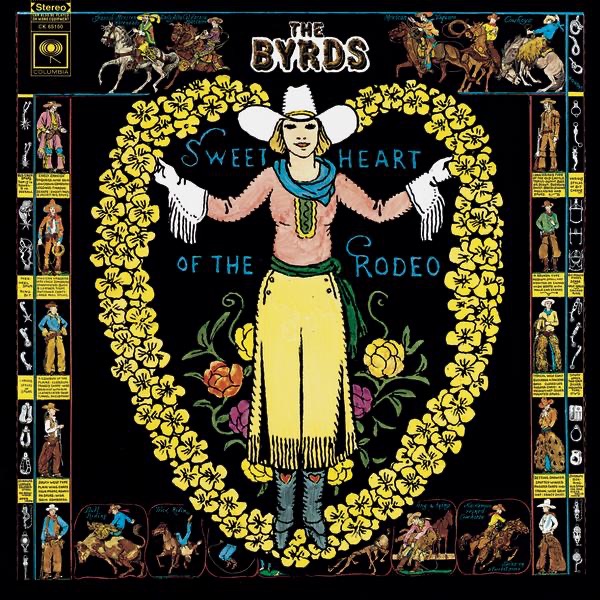
- 1 You Ain't Goin' Nowhere ↗ 2:33
- 2 I Am a Pilgrim ↗ 3:39
- 3 The Christian Life ↗ 2:30
- 4 You Don't Miss Your Water ↗ 3:48
- 5 You're Still On My Mind ↗ 2:25
- 6 Pretty Boy Floyd ↗ 2:34
- 7 Hickory Wind ↗ 3:31
- 8 One Hundred Years from Now ↗ 2:40
- 9 Blue Canadian Rockies ↗ 2:02
- 10 Life In Prison ↗ 2:46
- 11 Nothing Was Delivered ↗ 3:24
- 12 You Got a Reputation ↗ 3:08
- 13 Lazy Days ↗ 3:26
- 14 Pretty Polly ↗ 2:53
- 15 The Christian Life (Rehearsal, Take #11) ↗ 2:55
- 16 Life In Prison (Rehearsal, Take #11) ↗ 2:59
- 17 You're Still On My Mind (Rehearsal, Take #43) ↗ 2:29
- 18 One Hundred Years from Now (Rehearsal, Take #2) ↗ 3:20
- 19 All I Have Are Memories (Instrumental) ↗ 4:47

- 1 Artificial Energy ↗ 2:18
- 2 Goin' Back ↗ 3:26
- 3 Natural Harmony ↗ 2:11
- 4 Draft Morning ↗ 2:42
- 5 Wasn't Born to Follow ↗ 2:04
- 6 Get to You ↗ 2:39
- 7 Change Is Now ↗ 3:21
- 8 Old John Robertson ↗ 1:49
- 9 Tribal Gathering ↗ 2:03
- 10 Dolphin's Smile ↗ 2:00
- 11 Space Odyssey ↗ 3:52
- 12 Moog Raga (Instrumental) ↗ 3:24
- 13 Bound to Fall (Instrumental) ↗ 2:11
- 14 Triad ↗ 3:32
- 15 Goin' Back ↗ 3:55
- 16 Draft Morning (Alternate End) ↗ 2:59
- 17 Universal Mind Decoder (Instrumental) ↗ 13:44

- 1 Ballad of Easy Rider ↗ 2:04
- 2 Fido ↗ 2:40
- 3 Oil In My Lamp ↗ 3:13
- 4 Tulsa County ↗ 2:49
- 5 Jack Tarr the Sailor ↗ 3:31
- 6 Jesus Is Just Alright ↗ 2:10
- 7 It'S All Over Now, Baby Blue (Alternate Mix) ↗ 4:53
- 8 There Must Be Someone (I Can Turn To) ↗ 3:29
- 9 Gunga Din ↗ 3:03
- 10 Deportee (Plane Wreck At Los Gatos) ↗ 3:50
- 11 Armstrong, Aldrin and Collins ↗ 1:41
- 12 Way Behind the Sun ↗ 2:57
- 13 Mae Jean Goes To Hollywood ↗ 2:44
- 14 Oil In My Lamp (Alternate Version) ↗ 2:02
- 15 Tulsa County (Alternate Version) ↗ 3:39
- 16 Fiddler a Dram (Moog Experiment) ↗ 3:10
- 17 Ballad of Easy Rider (Long Version) ↗ 2:26
- 18 Build It Up (Instrumental) ↗ 5:34
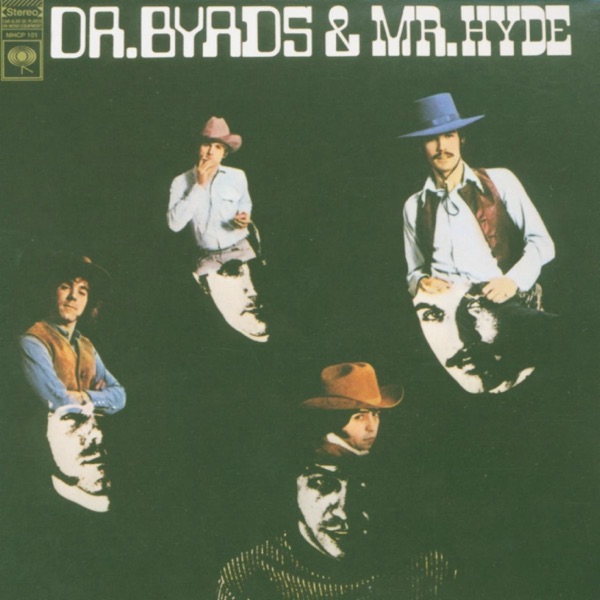
- 1 This Wheel's On Fire ↗ 4:44
- 2 Old Blue ↗ 3:21
- 3 Your Gentle Way of Loving Me ↗ 2:35
- 4 Child of the Universe ↗ 3:15
- 5 Nashville West ↗ 2:29
- 6 Drug Store Truck Drivin' Man ↗ 3:53
- 7 King Apathy III ↗ 3:00
- 8 Candy ↗ 3:38
- 9 Bad Night at the Whiskey ↗ 3:23
- 10 My Back Pages / B.J. Blues / Baby What You Want Me to Do ↗ 4:08
- 11 Stanley's Song ↗ 3:12
- 12 Lay Lady Lay (Alternative Version) ↗ 3:18
- 13 This Wheel's On Fire (Version 1) ↗ 3:53
- 14 Medley ↗ 4:18
- 15 Nashville West ↗ 2:04
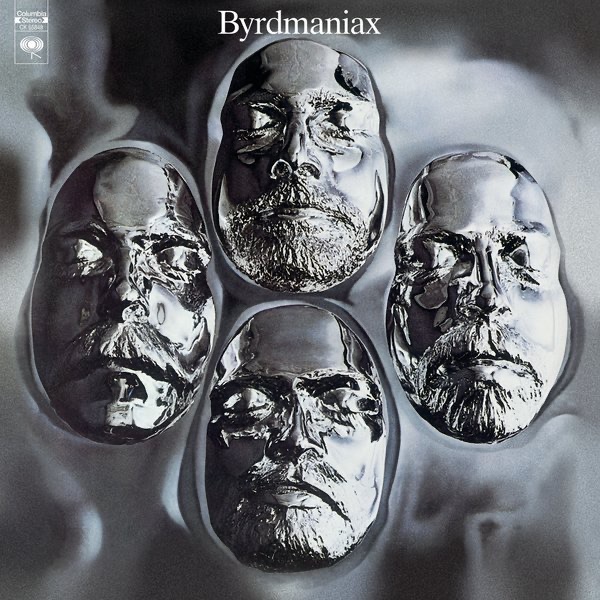
- 1 Glory, Glory ↗ 4:03
- 2 Pale Blue ↗ 2:22
- 3 I Trust ↗ 3:19
- 4 Tunnel of Love ↗ 4:59
- 5 Citizen Kane ↗ 2:36
- 6 I Wanna Grow Up to Be a Politician ↗ 2:03
- 7 Absolute Happiness ↗ 2:38
- 8 Green Apple Quick Step ↗ 1:49
- 9 My Destiny ↗ 3:38
- 10 Kathleen's Song ↗ 2:40
- 11 Jamaica Say You Will ↗ 3:27
- 12 Just Like a Woman ↗ 3:56
- 13 Pale Blue ↗ 2:33
- 14 Think I'm Gonna Feel Better ↗ 2:34
- 15 Byrdgrass ↗ 3:19

- 1 Tiffany Queen ↗ 2:40
- 2 Get Down Your Line ↗ 3:26
- 3 Farther Along ↗ 2:57
- 4 B.B. Class Road ↗ 2:16
- 5 Bugler ↗ 3:06
- 6 America's Great National Pastime ↗ 2:57
- 7 Antique Sandy ↗ 2:13
- 8 Precious Kate ↗ 2:59
- 9 So Fine ↗ 2:36
- 10 Lazy Waters ↗ 3:32
- 11 Bristol Steam Convention Blues ↗ 2:39
- 12 Lost My Drivin' Wheel ↗ 4:56
- 13 Born to Rock and Roll ↗ 2:59
- 14 Bag Full of Money ↗ 3:19
- 15 Bristol Steam Convention Blues ↗ 2:29
