
Photo by Unknown author Unknown author , licensed under Public domain · Wikimedia Commons
Rank #69
The Allman Brothers Band
Southern rock progenitors whose dual-guitar jams reshaped American rock.
From Wikipedia
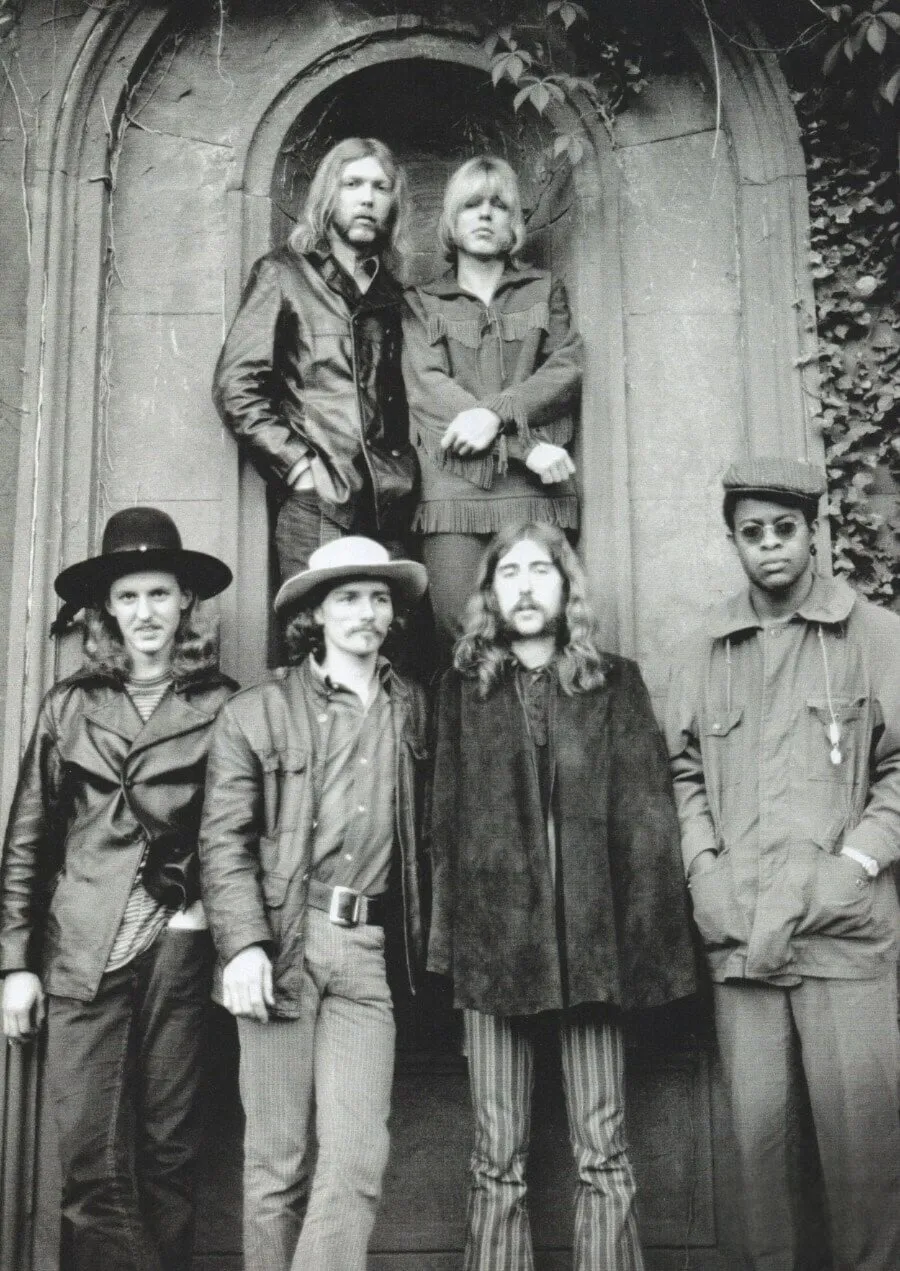
The Allman Brothers Band were an American rock band formed in Jacksonville, Florida, in 1969. Brothers Duane and Gregg Allman founded it with Dickey Betts, Berry Oakley (bass), Butch Trucks (drums), and Jai Johanny "Jaimoe" Johanson (drums). Subsequently based in Macon, Georgia, they incorporated elements of blues, jazz and country music and their live shows featured jam band-style improvisation and instrumentals.
Members
- Berry Oakley (1969–1972)
- Duane Allman (1969–1971)
- Oteil Burbridge (1997–2014)
- Butch Trucks
- Dickey Betts
- Gregg Allman
- Jai Johanny Johanson
Studio Albums
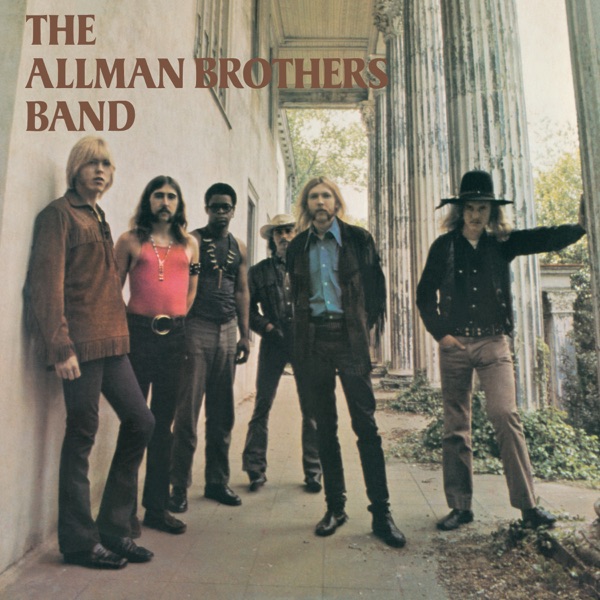
- 1969 The Allman Brothers Band
- 1970 Idlewild South
- 1972 Eat a Peach
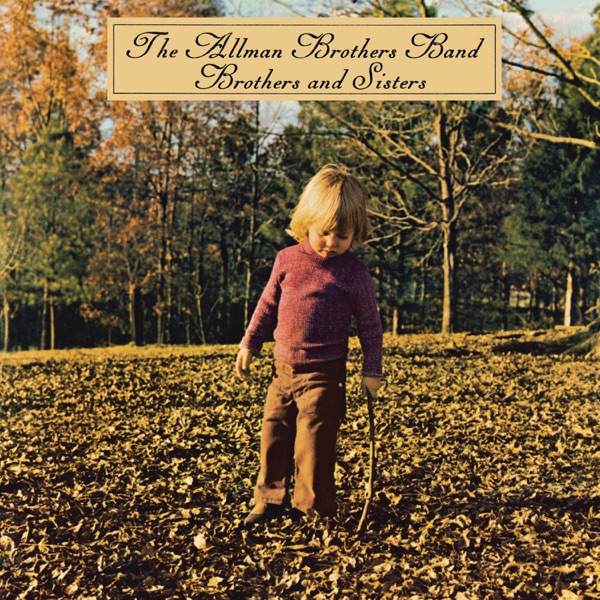
- 1973 Brothers and Sisters
- 1975 Win, Lose or Draw
- 1979 Enlightened Rogues
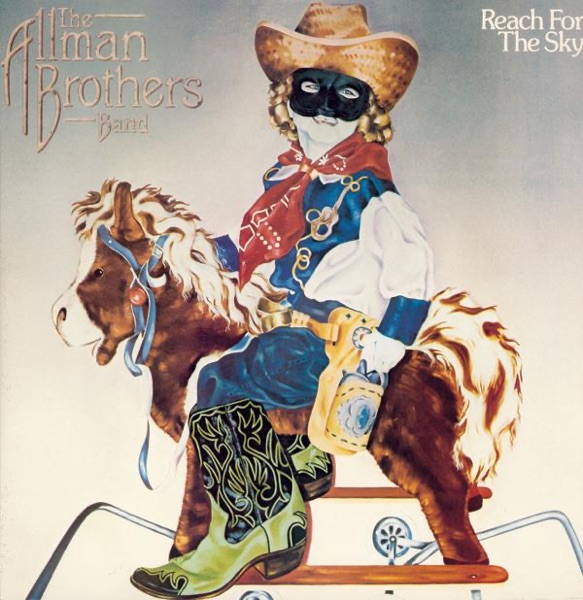
- 1980 Reach for the Sky
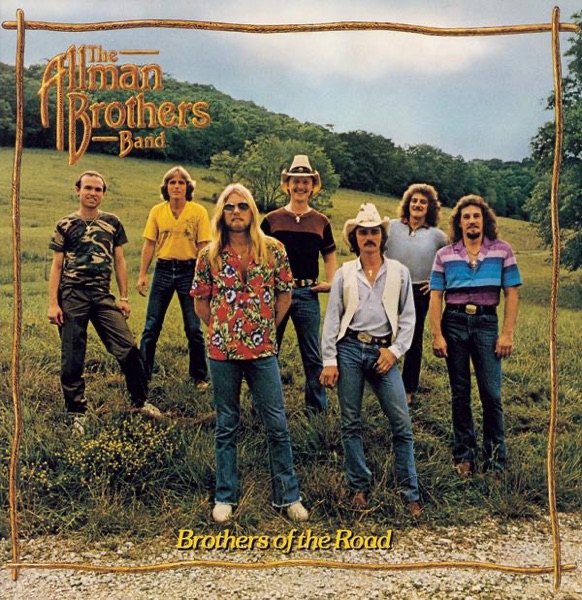
- 1981 Brothers of the Road
- 1990 Seven Turns
- 1991 Shades of Two Worlds
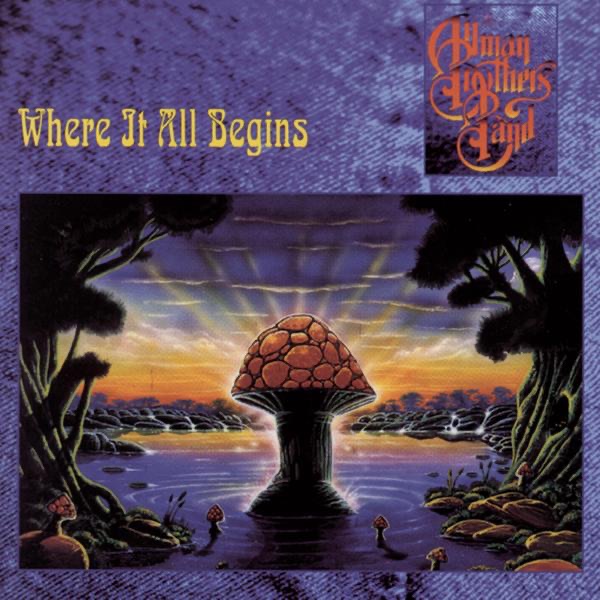
- 1994 Where It All Begins
- 2003 Hittin’ the Note
Source: MusicBrainz
Deep Dive
Overview
The Allman Brothers Band emerged from Jacksonville, Florida, in 1969 as architects of Southern rock, a sound that wove together blues, jazz, and country into extended jam-based arrangements built on twin electric guitars. Founded by brothers Duane and Gregg Allman alongside Dickey Betts, Berry Oakley, and dual drummers Butch Trucks and Jai Johanny Johanson, they created a template for improvisational rock that would define an era. Their live performances and studio work rewrote expectations for how rock bands could balance songs with instrumental exploration, making them foundational to the jam-band tradition and among the most significant rock acts of the 1970s.
Formation Story
Duane and Gregg Allman formed the nucleus of the band in Jacksonville in 1969, drawing together Dickey Betts on guitar, Berry Oakley on bass, and the dual-drum partnership of Butch Trucks and Jai Johanny Johanson. The combination of two drummers was unconventional, yet it provided the rhythmic foundation that would become central to the band’s identity. Shortly after forming, the group relocated to Macon, Georgia, establishing the city as their creative home and base of operations. This move positioned them within a broader ecosystem of Southern musicians and helped define what would become known as the Southern rock movement.
Breakthrough Moment
The Allman Brothers Band’s self-titled debut arrived in 1969, introducing their approach to live-influenced studio recording, but it was Idlewild South (1970) that deepened their commercial and critical profile. The album showcased their ability to blend structured songwriting with instrumental passages that allowed each member room to develop ideas. A turning point arrived with Eat a Peach (1972), a double album that captured the band’s live energy and marked a peak in their early creative trajectory. The record demonstrated that the group could sustain lengthy performances on vinyl without losing focus or audience engagement, a quality that would become their trademark.
Peak Era
The years 1972 to 1975 constituted the Allman Brothers Band’s strongest period commercially and artistically. Brothers and Sisters (1973) solidified their status as major rock figures, establishing them as leaders in the Southern rock movement. Win, Lose or Draw (1975) continued their momentum, though the late 1970s saw the band’s trajectory begin to shift. Personnel changes, including the earlier departure of founding bassist Berry Oakley in 1972 and the loss of Duane Allman in 1971, had reshaped the ensemble. Despite these changes, the band maintained touring commitments and continued recording through the late 1970s and beyond.
Musical Style
The Allman Brothers Band’s sound rested on two interlocking electric guitars—Duane Allman’s and Dickey Betts’s—that engaged in counterpoint improvisation within songs and extended instrumental passages. The dual-drum setup of Butch Trucks and Jai Johanny Johanson provided a flexible rhythmic foundation that could shift between locked grooves and open, swinging feels, accommodating the musicians’ improvisational flights. Gregg Allman’s keyboard playing and singing added harmonic depth and a soulful vocal presence. The rhythm section, anchored by bass and drums, drew from blues fundamentals while incorporating jazz-influenced time signatures and country-music melodic sensibilities. Songs typically featured recognizable vocal melodies and chord progressions but expanded into multi-minute instrumental sections where each player had space to explore. This approach married the accessibility of rock radio with the exploratory values of live jazz and blues traditions.
Major Albums
The Allman Brothers Band (1969)
The debut introduced the band’s twin-guitar philosophy and established their ability to translate live energy onto record, setting the template for their approach across subsequent releases.
Idlewild South (1970)
This album deepened the band’s songwriting and demonstrated their growing confidence in balancing vocal material with extended instrumental passages that showcased individual musicianship.
Eat a Peach (1972)
A double album capturing the band’s live intensity and studio sophistication, proving they could sustain ambitious arrangements across multiple records and remain commercially viable.
Brothers and Sisters (1973)
Their most successful period, consolidating their status as leaders of Southern rock and reaching their widest audience while maintaining musical depth and improvisational integrity.
Win, Lose or Draw (1975)
Continuing their peak-era output, the album reinforced their standing as one of rock’s premier live-in-the-studio recording units.
Seven Turns (1990)
After a period of reduced activity, the reformed band returned with material that reconnected them to their jam-based roots and re-established touring momentum for the 1990s.
Signature Songs
- “Midnight Rider” — A showcpiece of Gregg Allman’s melodic sensibility, featuring his distinctive vocal delivery and boogie-rock groove.
- “Whipping Post” — An extended blues-based composition that highlighted the band’s improvisational power and each member’s individual voice within the ensemble.
- “One Way Out” — A tight, funk-inflected blues standard that became a concert staple, demonstrating the band’s command of groove and call-and-response dynamics.
- “Statesboro Blues” — A traditional blues adaptation that gave platform to the band’s guitar conversations and rhythmic flexibility.
Influence on Rock
The Allman Brothers Band’s insistence on the validity of live improvisation within rock music proved enormously influential. They demonstrated that a rock band could build a career on extended jams and guitar interplay while maintaining mainstream commercial success. Their template—dual lead guitars in counterpoint, groove-oriented rhythm sections, the elevation of instrumental passages to co-equal status with songs—became foundational to the jam-band movement that exploded in the 1980s and 1990s. Bands from the Grateful Dead (with whom they shared audience and values) to Phish, The Black Crowes, and countless regional acts traced lineage through the Allman Brothers’ model of organization and musical philosophy. Their influence extended beyond rock into country, where their fusion of genres helped broaden country music’s rhythmic and harmonic vocabulary.
Legacy
The Allman Brothers Band remained active through 2014, with personnel evolving to include bassist Oteil Burbridge from 1997 onward, allowing the band to maintain touring presence across decades. Their catalog on labels including Capricorn Records, Atco Records, and later releases on Epic and other majors has remained continuously available, ensuring access to new and returning listeners. The band’s evolution from a 1969 formation to their 2003 album Hittin’ the Note represents a 34-year span of recording and performing, an endurance that testifies to the durability of their musical foundation. They established Southern rock as a distinct and legitimate genre within American popular music, proving that regional identity and blues-inflected instrumentation could achieve national and international significance. Their influence on touring musicians and live-performance aesthetics remains substantial; the notion that a rock band’s value lies partly in their ability to improvise and respond to audiences night by night traces directly to their precedent.
Fun Facts
- The band’s use of two drummers playing interdependent but distinct parts was unusual in rock music and became one of their most recognizable signatures.
- The shift from Jacksonville to Macon, Georgia, established Macon as a center of Southern rock activity, with the city becoming home to other significant acts and a recording infrastructure that supported the region’s emergent sound.
- Their extended instrumental passages on studio recordings were often captured in single takes or minimal overdubs, preserving a sense of live spontaneity and group interaction rather than using heavy post-production editing.
- The band’s longevity across multiple decades involved surviving significant personnel losses and changes while maintaining the core philosophy that drew audiences to their live performances and studio work.
Discography & Previews
Click any album to expand its track list. Each track plays a 30-second preview streamed from Apple Music. Tap the link icon next to a track to open it in Apple Music for full playback.


- 1 Ain't Wastin' Time No More ↗ 3:42
- 2 Les Brers In A Minor ↗ 9:07
- 3 Melissa ↗ 3:55
- 4 Mountain Jam (Theme from "First There Is a Mountain") [Live at the Fillmore East, 1971] ↗ 33:43
- 5 One Way Out (Live at the Fillmore East, 1971) ↗ 4:59
- 6 Trouble No More (Live at the Fillmore East, 1971) ↗ 3:45
- 7 Stand Back ↗ 3:26
- 8 Blue Sky ↗ 5:12
- 9 Little Martha ↗ 2:08




- 1 All Night Train ↗ 4:04
- 2 Sailin' 'Cross the Devil's Sea ↗ 4:57
- 3 Back Where It All Begins ↗ 9:10
- 4 Soulshine ↗ 6:44
- 5 No One to Run With ↗ 6:00
- 6 Change My Way of Living ↗ 6:15
- 7 Mean Woman Blues ↗ 5:01
- 8 Everybody's Got a Mountain to Climb ↗ 4:00
- 9 What's Done Is Done ↗ 4:08
- 10 Temptation Is a Gun ↗ 5:37
