Photo by Distributed by Sire Records . Photographer uncredited. , licensed under Public domain · Wikimedia Commons
Rank #40
Talking Heads
CBGB art-school nerds who pushed rock into funk and global rhythm.
From Wikipedia
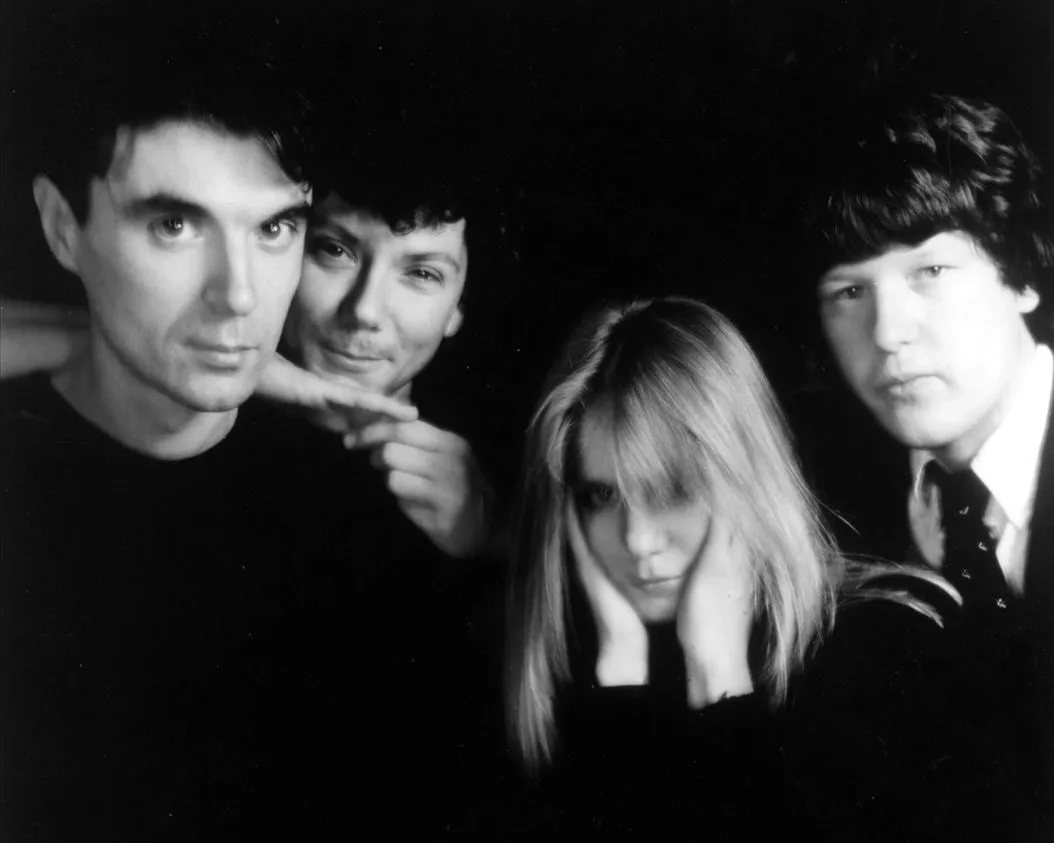
Talking Heads were an American rock band formed in New York City in 1975. It consisted of lead vocalist and guitarist David Byrne, drummer Chris Frantz, bassist Tina Weymouth, and guitarist and keyboardist Jerry Harrison. Described as one of the most acclaimed groups of the 1980s, Talking Heads helped to pioneer new wave music by combining elements of punk, art rock, funk, and world music with "an anxious yet clean-cut image".
Members
- Chris Frantz
- David Byrne
- Jerry Harrison
- Tina Weymouth
Studio Albums
- 1977 Talking Heads: 77
- 1978 More Songs About Buildings and Food
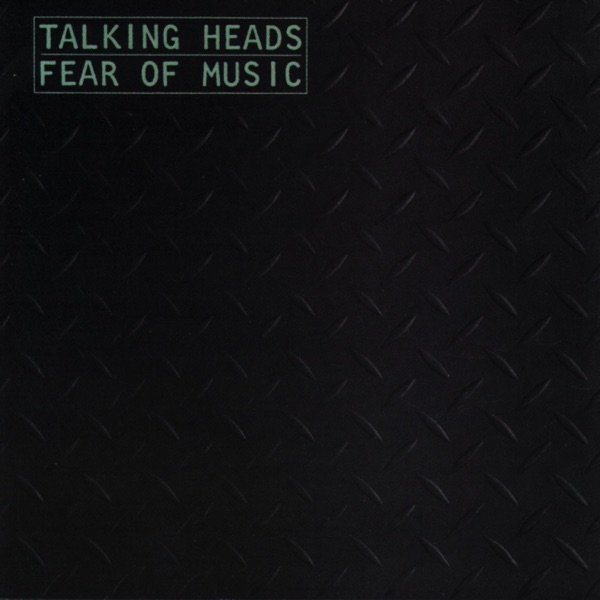
- 1979 Fear of Music
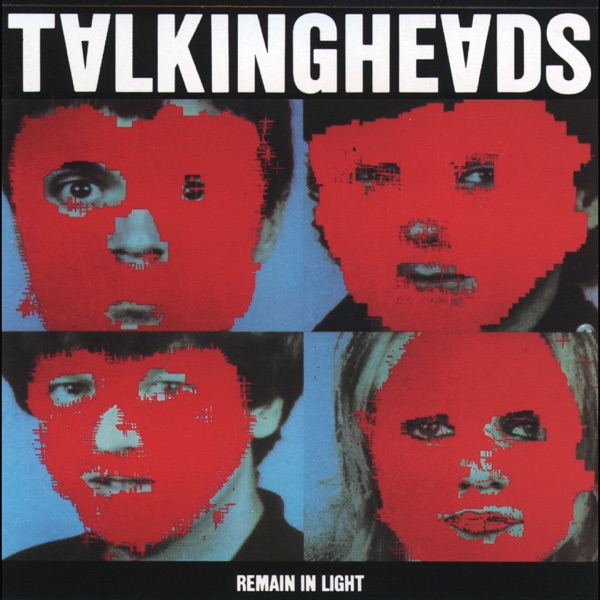
- 1980 Remain in Light
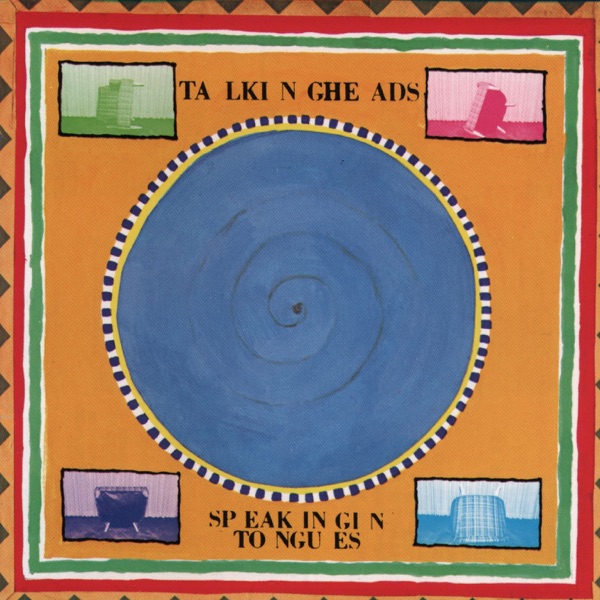
- 1983 Speaking in Tongues
- 1985 Little Creatures
- 1986 True Stories
- 1988 Naked
- 1991 Greek Theatre
- 2017 The Archives: Classic Broadcast Recordings
Source: MusicBrainz
Deep Dive
Overview
Talking Heads were an American rock band formed in New York City in 1975 that helped pioneer new wave music by fusing punk’s angular energy with funk grooves, art-rock experimentation, and world music influences. Led by David Byrne on vocals and guitar, the band—completed by drummer Chris Frantz, bassist Tina Weymouth, and guitarist-keyboardist Jerry Harrison—emerged from the city’s CBGB art-school scene and became one of the most acclaimed groups of the 1980s. Their sound was built on an anxious yet clean-cut aesthetic that married intellectual rigor with rhythmic sophistication, making them central to rock’s expansion beyond traditional verse-chorus songwriting.
Formation Story
Talking Heads formed in 1975 in New York City as the product of its downtown art and music underground. David Byrne, a Scottish-born artist and musician who had relocated to the United States, anchored the group with his distinctive vocal presence and guitar work, while the rhythm section of Chris Frantz and Tina Weymouth provided a tight, propulsive foundation that drew as much from rhythm-and-blues and funk as from punk’s minimalism. Jerry Harrison’s addition of guitar and keyboards expanded the band’s harmonic palette, allowing them to layer complex arrangements atop driving grooves. The four musicians arrived at Talking Heads from the ferment of New York’s post-punk scene, combining formal art-school training with the raw energy of early punk to create something that belonged to neither tradition alone.
Breakthrough Moment
Talking Heads’ debut album, Talking Heads: 77 (1977), introduced the band’s edgy, neurotic energy to a growing audience of new wave enthusiasts and art-rock fans. The record established their signature approach: minimal, tense guitar lines; propulsive rhythm-section work; and Byrne’s anxious, conversational vocals. They built on this foundation with More Songs About Buildings and Food (1978), further refining their craft and expanding their audience within both punk and mainstream rock circles. Fear of Music (1979) marked a decisive turn toward greater conceptual ambition and rhythmic complexity, setting the stage for their most critical and commercial breakthrough. Remain in Light (1980) became their watershed moment—a record that synthesized Afrobeat and funk influences with new-wave production to create something genuinely new in rock music. The album’s infectious grooves, hypnotic repetition, and global rhythmic textures proved that art-rock intellectualism and dance-floor urgency were not mutually exclusive, establishing Talking Heads as essential architects of 1980s rock.
Peak Era
The years between 1980 and 1986 represented Talking Heads’ creative and commercial ascendancy. Remain in Light (1980) and Speaking in Tongues (1983) formed the core of their most influential period, each demonstrating their ability to absorb new influences—funk, world music, electronic production—without sacrificing the nervous intelligence that defined their identity. Little Creatures (1985) and True Stories (1986) showed the band pursuing more accessible, sometimes more playful directions, with True Stories arriving as a companion to a feature film of the same name. These albums solidified Talking Heads’ position as not merely a new-wave or post-punk outfit but as sophisticated musicians capable of moving between intricate, polyrhythmic arrangements and pop accessibility. Throughout this period, their output demonstrated that intellectual ambition and popular appeal were not opposing forces in rock music.
Musical Style
Talking Heads’ sound was defined by the interplay between David Byrne’s anxious, rhythmically inventive vocals and the band’s commitment to funk and world-music rhythms. The band’s fundamental approach involved paring rock music down to essential elements—driving bass lines, sharp drum patterns, minimal chords—and then building outward with layers of guitar, keyboards, and percussion that drew from African, Caribbean, and funk traditions. This created a music that was simultaneously intellectual and bodily, demanding both analytical attention and physical response. Jerry Harrison’s keyboards provided harmonic sophistication and textural depth, while Tina Weymouth’s bass playing was equally rooted in funk principles and rock’s lineage, giving the group’s grooves their distinctive buoyancy. Byrne’s lyrics often focused on anxiety, desire, observation, and the absurdities of everyday life, delivered with a detached precision that made vulnerability sound cerebral. The band’s arrangement ethos favored space and clarity over density, using silence and negative space as compositional tools rather than allowing songs to bloom into the walls of sound favored by many rock acts of the era.
Major Albums
Talking Heads: 77 (1977)
The debut announcement of Talking Heads’ art-punk identity, establishing the restless energy, minimal guitar lines, and Byrne’s distinctive vocal character that would define the band for years to come.
Remain in Light (1980)
The band’s landmark fusion of Afrobeat, funk, and new-wave aesthetics into a tightly grooved whole, demonstrating that rock music could absorb global influences without diluting its emotional or intellectual core.
Speaking in Tongues (1983)
A continuation and refinement of the funk-influenced direction, showcasing the band’s mastery of rhythmic complexity and their ability to craft both infectious grooves and anxious, compelling pop songs.
Little Creatures (1985)
A more pop-oriented and accessible record that proved the band’s melodic gifts, featuring brighter, more playful arrangements while maintaining their signature intelligence and rhythmic sophistication.
True Stories (1986)
Connected to David Byrne’s feature film of the same name, this album explored Americana, eccentricity, and narrative storytelling, blending the band’s funk foundation with Texan color and wry humor.
Signature Songs
- “Psycho Killer” — An anxious, jerky new-wave breakthrough that became the band’s most recognizable song, driven by a hypnotic bass line and Byrne’s famous refrain “Psycho Killer, qu’est-ce que c’est?”
- “Once in a Lifetime” — A groove-based meditation on success and identity from Remain in Light, built on an unstoppable funk rhythm and Byrne’s robotic yet oddly human vocal delivery.
- “Burning Down the House” — A propulsive funk-rock anthem that married the band’s world-music interests with mainstream appeal, becoming a staple of 1980s rock radio.
- “Road to Nowhere” — A pop-inflected track from Little Creatures that balanced Byrne’s characteristic anxiety with an upbeat, almost joyful melody, becoming one of their most commercially successful songs.
- “Life During Wartime” — A rhythmically complex and lyrically urgent song that exemplified Talking Heads’ ability to merge dance-floor energy with genuine artistic substance.
Influence on Rock
Talking Heads fundamentally altered the course of new-wave and post-punk music by proving that rock bands could draw from funk, world music, and experimental production without abandoning emotional directness or rock’s core identity. Their embrace of non-Western rhythms and grooves arrived during rock’s most introspective period, offering a pathway toward dance, physicality, and joy that contrasted with the genre’s often-neurotic preoccupations. The band’s influence radiated outward to art-pop, alternative rock, and indie music throughout the 1980s and beyond; artists from LCD Soundsystem to the Killers to St. Vincent have drawn from Talking Heads’ model of intellectual rigor married to groove-based energy. Their willingness to treat production, rhythm section, and global influences as seriously as melody and songwriting opened new frontiers for rock musicians seeking to expand the genre’s vocabulary without resorting to bombast.
Legacy
Talking Heads disbanded in 1991, leaving behind a catalog that has grown in critical esteem rather than receding into period-piece nostalgia. The band’s work on Remain in Light and their run through the mid-1980s now stands as some of the most carefully constructed and rhythmically inventive rock music of the period, influential on multiple generations of musicians and widely regarded as essential to understanding how rock music absorbed and synthesized global influences in the late twentieth century. David Byrne’s subsequent solo work, film scoring, and creative projects have maintained the band’s spirit of intellectual curiosity and rhythmic experimentation, keeping their influence alive in popular discourse. The band’s body of work remains a touchstone for musicians and critics seeking to understand how anxiety, intelligence, funk, and pop appeal could coexist on equal footing.
Fun Facts
- Tina Weymouth and Chris Frantz were married during the band’s formation and early years, making their rhythm section partnership both a musical and domestic affair.
- The band’s name came from David Byrne’s observation of how people make conversation about everyday subjects—“talking heads” as a cultural phenomenon.
- True Stories (1986) was created as a companion piece to a feature film directed by David Byrne, blending the band’s music with narrative film and visual art in an unconventional multimedia project.
- The band’s approach to rhythm and groove drew inspiration from producer and musician Brian Eno, who collaborated with them on several recordings and helped shape their sonic direction during their peak era.
Discography & Previews
Click any album to expand its track list. Each track plays a 30-second preview streamed from Apple Music. Tap the link icon next to a track to open it in Apple Music for full playback.
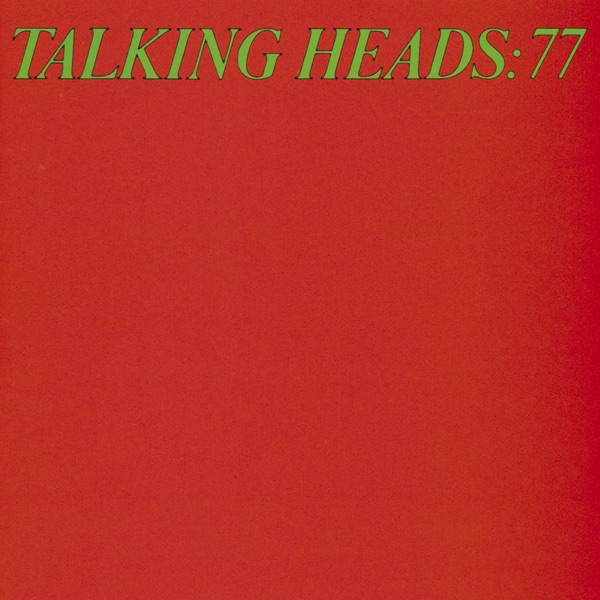
- 1 Uh-Oh, Love Comes To Town ( LP Version ) ↗ 2:49
- 2 New Feeling ( LP Version ) ↗ 3:09
- 3 Tentative Decisions ( LP Version ) ↗ 3:08
- 4 Happy Day ( LP Version ) ↗ 3:55
- 5 Who Is It? ( LP Version ) ↗ 1:44
- 6 No Compassion ( LP Version ) ↗ 4:50
- 7 The Book I Read ( LP Version ) ↗ 4:10
- 8 Don't Worry About The Government ( LP Version ) ↗ 3:02
- 9 First Week / Last Week.... Carefree ( LP Version ) ↗ 3:21
- 10 Psycho Killer ( LP Version ) ↗ 4:21
- 11 Pulled Up ( LP Version ) ↗ 4:29
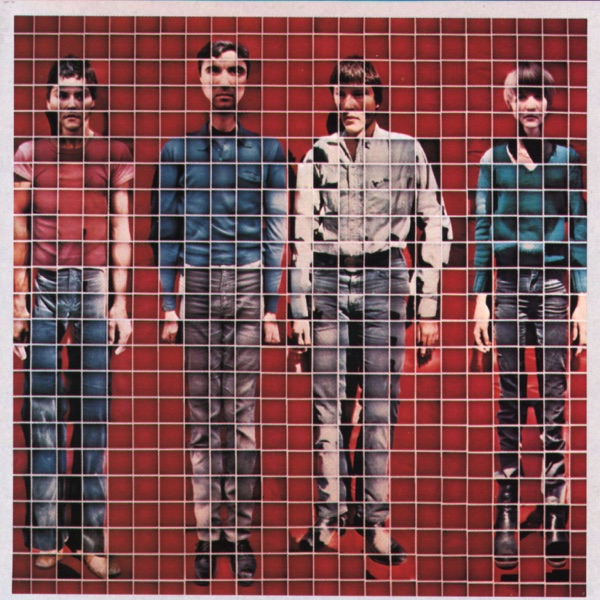
- 1 Thank You for Sending Me an Angel ↗ 2:12
- 2 With Our Love ↗ 3:31
- 3 The Good Thing ↗ 3:04
- 4 Warning Sign ↗ 3:55
- 5 The Girls Want to Be With the Girls ↗ 2:38
- 6 Found a Job ↗ 4:59
- 7 Artists Only ↗ 3:36
- 8 I'm Not In Love ↗ 4:35
- 9 Stay Hungry ↗ 2:41
- 10 Take Me to the River ↗ 5:04
- 11 The Big Country ↗ 5:32