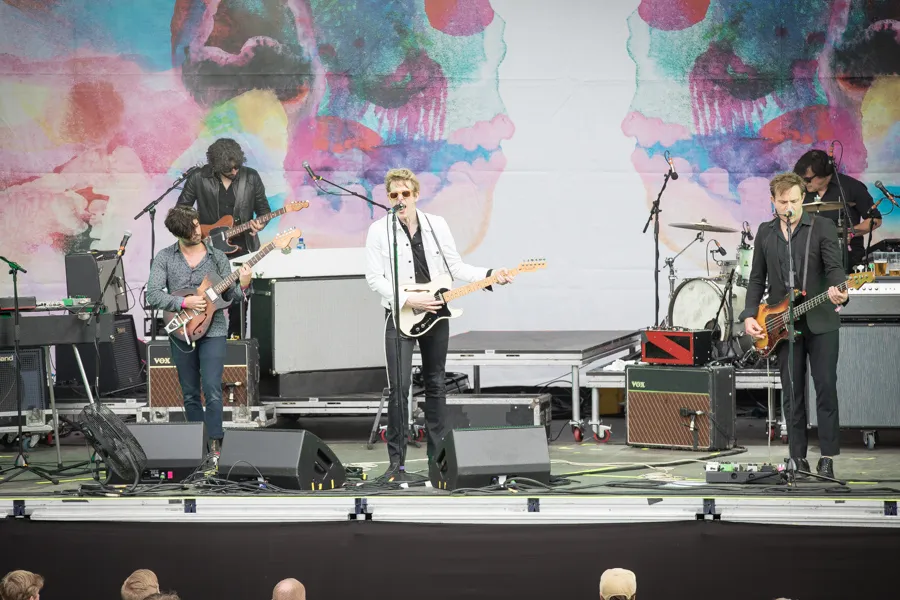
Photo by Tore Sætre , licensed under CC BY-SA 4.0 · Wikimedia Commons
Rank #401
Spoon
Austin indie-rockers of taut, minimalist groove and crisp production.
From Wikipedia
Spoon is an American rock band from Austin, Texas, consisting of members Britt Daniel, Jim Eno (drums), Alex Fischel, Gerardo Larios and Ben Trokan. The band was formed in Austin in October 1993 by Daniel and Eno. Critics have described the band's musical style as rock and roll, post-punk, and art rock.
Studio Albums
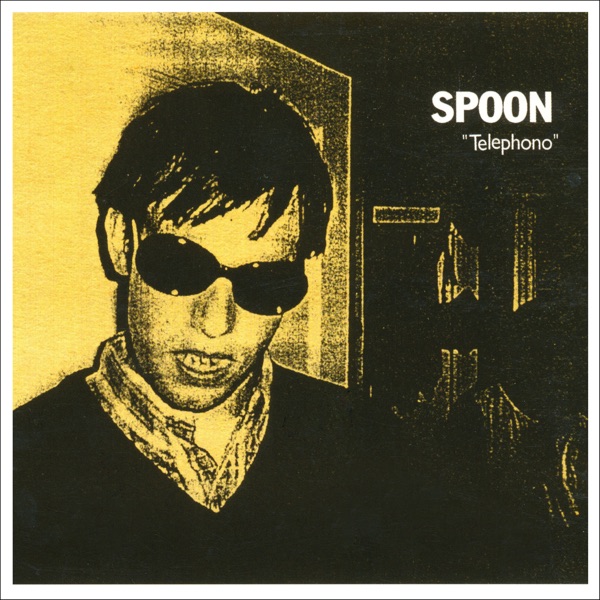
- 1996 Telephono
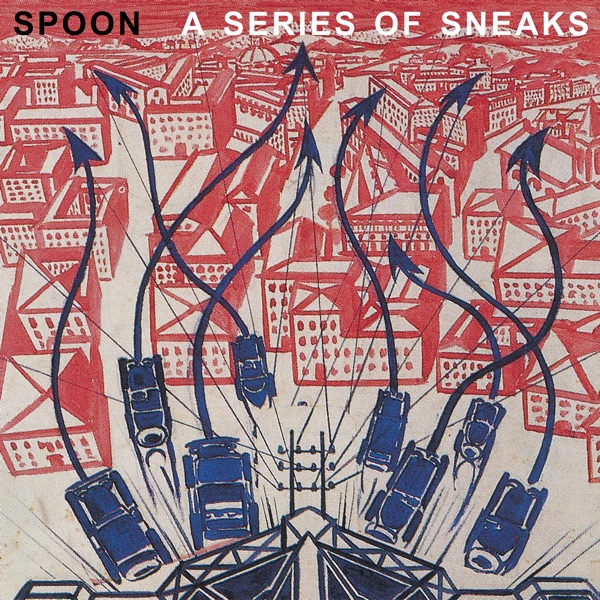
- 1998 A Series of Sneaks
- 2001 Girls Can Tell
- 2002 Kill the Moonlight
- 2005 Gimme Fiction
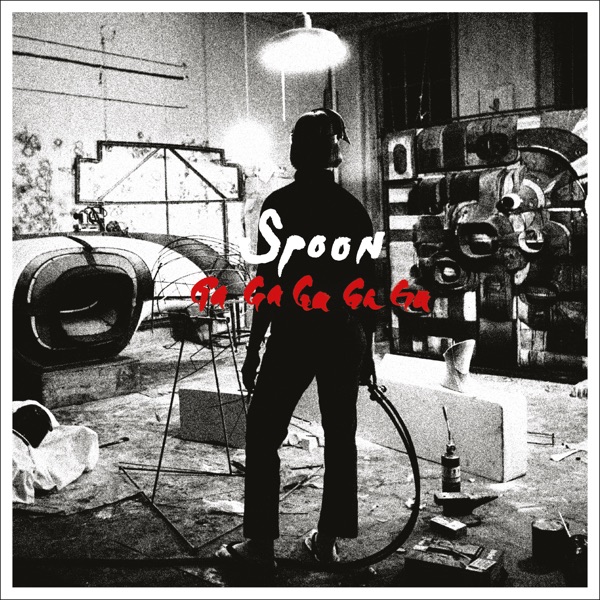
- 2007 Ga Ga Ga Ga Ga
- 2010 Transference
- 2014 They Want My Soul
- 2017 Hot Thoughts
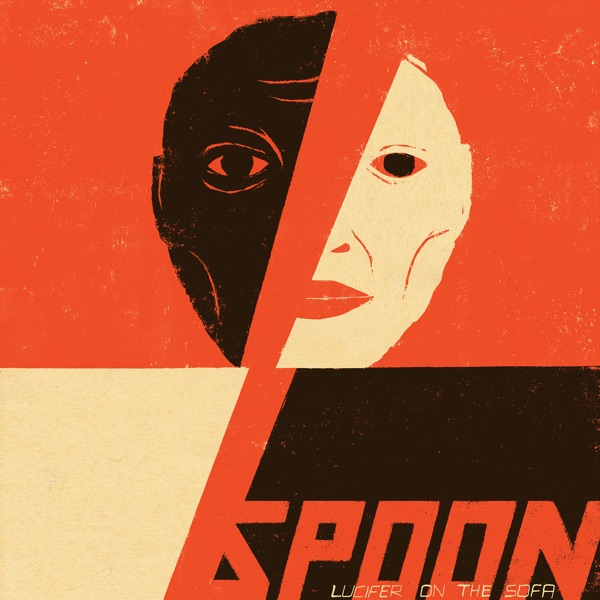
- 2022 Lucifer on the Sofa
Source: MusicBrainz
Deep Dive
Overview
Spoon is an American rock band from Austin, Texas, formed in October 1993 by Britt Daniel and Jim Eno. Over three decades, the band has become a fixture of indie and alternative rock, defining a sound rooted in minimalist groove, crisp production, and economical songwriting. Critics have positioned their work across rock and roll, post-punk, and art rock traditions—a fluid categorization that reflects their refusal to default to genre convention. Spoon’s restraint and precision stand as counterargument to the maximalist impulses that have periodically dominated rock music, making them a band as influential in their discipline as in their commercial reach.
Formation Story
Britt Daniel and Jim Eno founded Spoon in Austin, Texas, in October 1993. The formation occurred during a moment when the city was beginning to assert itself as a center of independent music culture, though Spoon’s aesthetic would distinguish them from the looser, blues-inflected guitar-rock that characterized much of Austin’s legacy. Daniel and Eno established the band’s core identity from inception: a stripped-down outfit built on drums, bass, and guitar, with minimal ornamentation and maximum clarity. The early lineups would evolve significantly over the band’s first decade, but the foundational partnership between Daniel and Eno remained constant, anchoring the band’s sound and creative direction through all subsequent shifts in membership.
Breakthrough Moment
Spoon’s path to wider recognition crystallized with the release of Girls Can Tell in 2001, an album that refined the band’s minimalist approach and introduced their sound to audiences beyond the indie underground. The album arrived on Matador Records, a label that had already established credibility as a home for thoughtful, uncompromising rock music. Girls Can Tell combined the tautness of their earlier work with improved production clarity and songwriting sophistication, establishing the template that would define their subsequent output. The following year’s Kill the Moonlight (2002) built on that momentum, cementing Spoon as a band capable of sustaining both critical attention and a growing fanbase. By the early 2000s, Spoon had transitioned from a regional Austin concern to a nationally recognized force in indie rock.
Peak Era
Spoon’s most artistically coherent and commercially successful stretch extended from 2005 through 2007, encompassing the albums Gimme Fiction and Ga Ga Ga Ga Ga. Gimme Fiction (2005) showcased the band’s ability to construct intricate arrangements within a deceptively simple framework, balancing hooks with abstraction. Ga Ga Ga Ga Ga (2007) further refined their production vocabulary, achieving a kind of pristine minimalism that influenced a generation of indie and alternative rock bands. During this period, Spoon proved that constraint could coexist with dynamic range, that stripped-down arrangements need not feel sparse or cold. The band’s live presence also matured during these years, translating their studio discipline into compelling stage performances that demonstrated the power beneath their restrained aesthetic. This era represented Spoon operating at their most fully realized, balancing critical respect with genuine popular momentum.
Musical Style
Spoon’s sound is defined by economy and precision. The band builds songs from minimal elements—typically guitar, bass, drums, and Daniel’s distinctive vocal delivery—arranging them with meticulous attention to space and dynamics. Production clarity is paramount; every element occupies its own frequency range, allowing each component to register distinctly without clutter. Lyrically, Daniel favors oblique observation over declarative emotion, crafting songs that reward close listening while remaining accessible on first encounter. The band’s post-punk and art-rock lineage informs their willingness to break from verse-chorus-verse structures and to treat rhythm and timbre as primary compositional elements rather than supporting texture. Over their career, Spoon maintained this foundational approach while gradually incorporating subtle electronic textures and production techniques that expanded their sonic palette without abandoning their core minimalist ethos. Their refusal of excess became their defining characteristic—a posture that positioned them apart from both the guitar-maximalist traditions within indie rock and the production-heavy approaches of mainstream alternative.
Major Albums
Telephono (1996)
Spoon’s debut established the essential elements of their aesthetic: sparse instrumentation, meticulous production, and an unease with conventional rock arrangements that would persist throughout their career.
Girls Can Tell (2001)
The first album to achieve significant critical and commercial traction, Girls Can Tell refined the band’s minimalist approach into a fully realized statement, introducing their work to audiences far beyond Austin.
Kill the Moonlight (2002)
Building directly on Girls Can Tell’s template, this album cemented Spoon’s reputation for disciplined songwriting and production clarity while expanding their sonic vocabulary.
Gimme Fiction (2005)
Perhaps the band’s most balanced statement, Gimme Fiction demonstrated their ability to achieve emotional depth and complexity through constraint, featuring arrangements that repay repeated listening.
Ga Ga Ga Ga Ga (2007)
Reaching a commercial peak while maintaining critical credibility, this album represented Spoon’s sound at its most fully matured, influencing numerous subsequent indie and alternative acts.
Transference (2010)
A continuation of their established aesthetic, Transference showed the band deepening their craft rather than pursuing stylistic reinvention, maintaining their relevance in an increasingly fragmented music landscape.
Signature Songs
- “Small Stakes” — A track that exemplifies the band’s ability to construct compelling hooks from minimal melodic material.
- “The Underdog” — Demonstrates Spoon’s knack for combining rhythmic precision with emotional resonance.
- “I Turn My Camera On” — Showcases the band’s integration of subtle electronic textures within their minimalist framework.
- “Gimme Fiction” — Exemplifies Daniel’s oblique lyrical approach and the band’s refined production aesthetic.
- “The Way We Get By” — A signature statement of the band’s disciplined approach to arrangement and composition.
Influence on Rock
Spoon’s emergence and sustained career coincided with and significantly contributed to the broad indie-rock shift toward precision, production clarity, and minimalist composition that occurred in the 2000s. Their demonstration that restraint could achieve both critical and popular credibility influenced countless subsequent bands working across indie rock, post-punk revival, and alternative rock. The band’s refusal of excess—their insistence that clarity, discipline, and careful arrangement constituted valid aesthetic choices—pushed back against both the noise-rock traditions of the 1990s and the production excess of mainstream rock. Their work provided a template for bands seeking to achieve sophistication through subtraction rather than accumulation, establishing minimalism as a viable and creatively productive approach within rock music’s evolving landscape.
Legacy
Spoon has maintained active recording and touring throughout the 2010s and into the 2020s, releasing They Want My Soul (2014), Hot Thoughts (2017), and Lucifer on the Sofa (2022). Their continued productivity and consistent critical respect have solidified their position as one of the most durable acts in American indie rock. The band’s body of work—spanning nearly three decades without stylistic capitulation or apparent relevance-chasing—stands as a model of artistic integrity within an industry increasingly driven by trend cycles. Their influence extends across indie rock, alternative rock, and adjacent genres, with their production clarity and minimalist aesthetic having become foundational principles for multiple generations of musicians. Spoon’s sustained presence in active recording and touring maintains their relevance not as a nostalgia act but as a working band continuing to develop their sound within the established parameters they established decades earlier.
Fun Facts
- Spoon has recorded across multiple labels including Peek-A-Boo Records, Matador Records, and Elektra, reflecting shifts in the independent and major-label landscape throughout their career.
- The band’s lineup has evolved significantly beyond the founding partnership of Daniel and Eno, with Alex Fischel, Gerardo Larios, and Ben Trokan joining as permanent members during their peak era.
- Austin, Texas, their hometown, became increasingly recognized as a major center for indie rock during the same period Spoon rose to prominence, though their sound remained distinctly their own rather than regionally characteristic.
Discography & Previews
Click any album to expand its track list. Each track plays a 30-second preview streamed from Apple Music. Tap the link icon next to a track to open it in Apple Music for full playback.
- 1 Don't Buy the Realistic ↗ 3:55
- 2 Not Turning Off ↗ 3:09
- 3 All the Negatives Have Been Destroyed ↗ 2:38
- 4 Cvantez ↗ 2:46
- 5 Nefarious ↗ 2:47
- 6 Claws Tracking ↗ 2:33
- 7 Dismember ↗ 1:46
- 8 Idiot Driver ↗ 1:38
- 9 Towner ↗ 3:06
- 10 Wanted To Be Your ↗ 1:52
- 11 Theme to Wendel Stivers ↗ 1:58
- 12 Primary ↗ 1:10
- 13 The Government Darling ↗ 2:24
- 14 Plastic Mylar ↗ 3:26
- 1 Utilitarian ↗ 1:52
- 2 The Minor Tough ↗ 2:43
- 3 Execution ↗ 2:03
- 4 Reservations ↗ 2:36
- 5 30 Gallon Tank ↗ 4:01
- 6 Car Radio ↗ 1:30
- 7 Metal Detektor ↗ 3:39
- 8 June's Foreign Spell ↗ 3:01
- 9 Chloroform ↗ 1:10
- 10 Metal School ↗ 2:53
- 11 Staring At the Board ↗ 0:55
- 12 No You're Not ↗ 1:41
- 13 Quincy Punk Episode ↗ 2:18
- 14 Advance Cassette ↗ 3:00
- 15 Laffitte Don't Fail Me Now ↗ 3:48
- 16 The Agony of Laffitte ↗ 3:37
- 1 Small Stakes ↗ 3:01
- 2 The Way We Get By ↗ 2:39
- 3 Something To Look Forward To ↗ 2:17
- 4 Stay Don't Go ↗ 3:35
- 5 Jonathan Fisk ↗ 3:16
- 6 Paper Tiger ↗ 3:08
- 7 Someone Something ↗ 2:49
- 8 Don't Let It Get You Down ↗ 3:29
- 9 All the Pretty Girls Go To the City ↗ 3:12
- 10 You Gotta Feel It ↗ 1:29
- 11 Back To the Life ↗ 2:21
- 12 Vittorio E. ↗ 3:40

- 1 The Beast and Dragon, Adored ↗ 4:18
- 2 The Two Sides of Monsieur Valentine ↗ 2:58
- 3 I Turn My Camera On ↗ 3:32
- 4 My Mathematical Mind ↗ 5:02
- 5 The Delicate Place ↗ 3:42
- 6 Sister Jack ↗ 3:36
- 7 I Summon You ↗ 3:56
- 8 The Infinite Pet ↗ 3:56
- 9 Was It You? ↗ 5:02
- 10 They Never Got You ↗ 4:59
- 11 Merchants of Soul ↗ 2:47