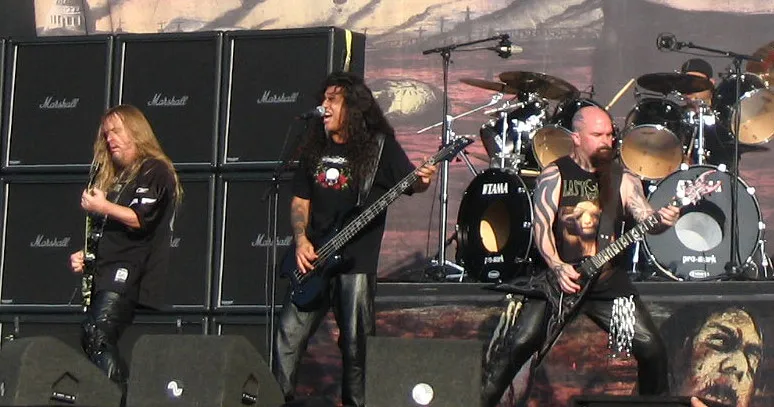
Photo by Francis from Groningen, Netherlands , licensed under CC BY 2.0 · Wikimedia Commons
Rank #60
Slayer
Speed-and-fury L.A. thrash icons among the genre's most influential.
From Wikipedia
Slayer is an American thrash metal band from Huntington Park, California, formed in 1981 by guitarists Kerry King and Jeff Hanneman, drummer Dave Lombardo and bassist/vocalist Tom Araya. Slayer's fast and aggressive musical style made them one of the "big four" bands of thrash metal, alongside Metallica, Megadeth, and Anthrax. Slayer's current lineup comprises King, Araya, drummer Paul Bostaph, and guitarist Gary Holt, who initially joined as a touring musician in 2011 before joining the band permanently after Hanneman's death in 2013; the drummer Jon Dette is a former member of the band.
Members
- Dave Lombardo
- Gary Holt
- Jeff Hanneman
- Kerry King
- Paul Bostaph
- Tom Araya
Studio Albums
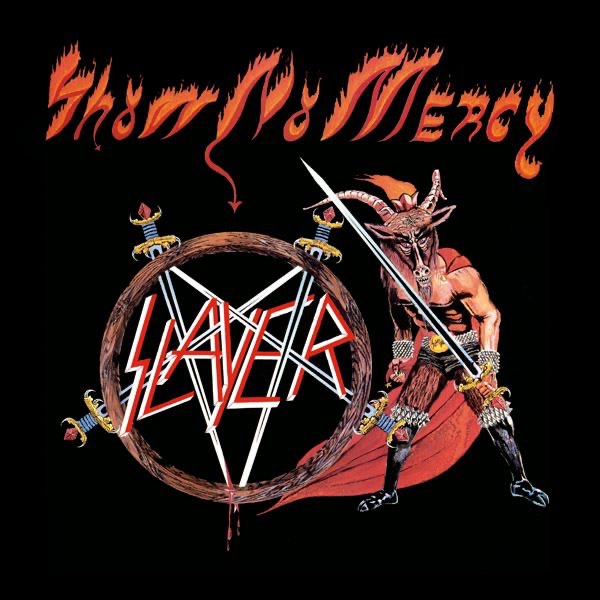
- 1983 Show No Mercy
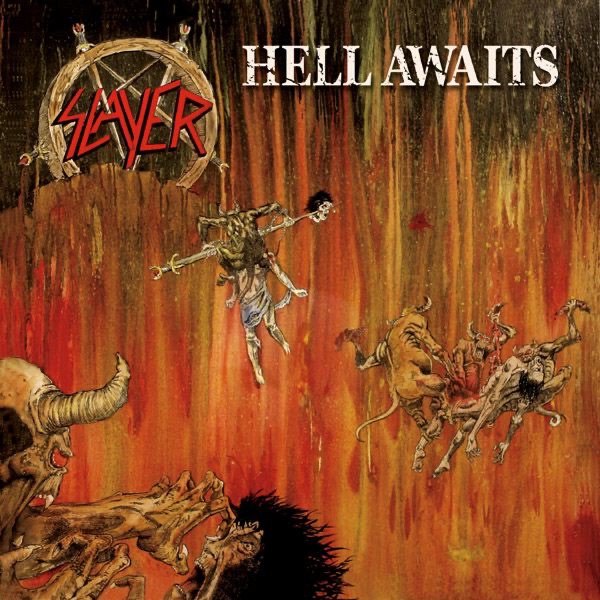
- 1985 Hell Awaits
- 1986 Reign in Blood
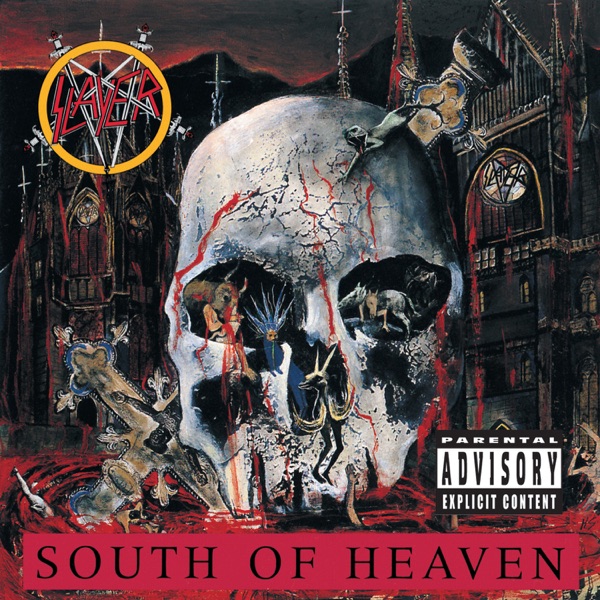
- 1988 South of Heaven
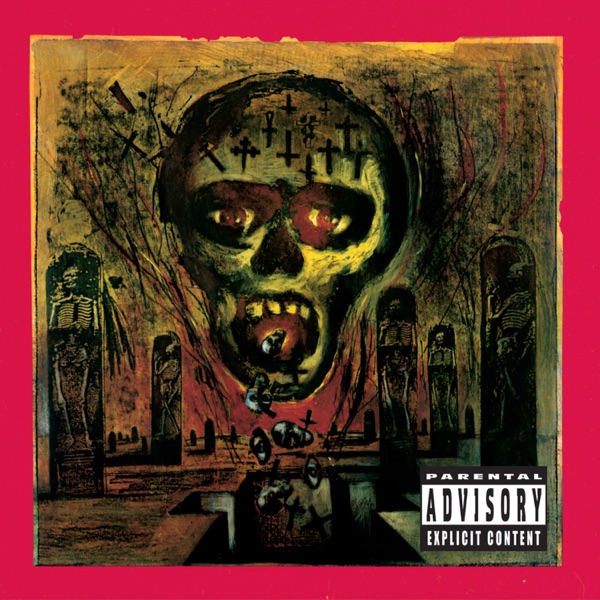
- 1990 Seasons in the Abyss
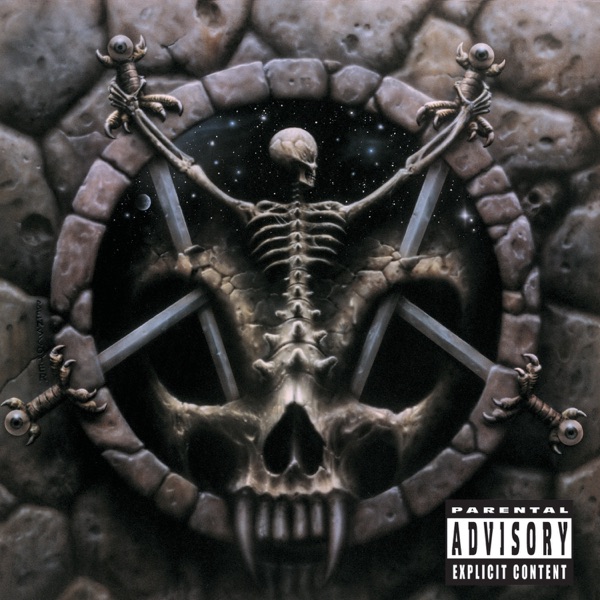
- 1994 Divine Intervention
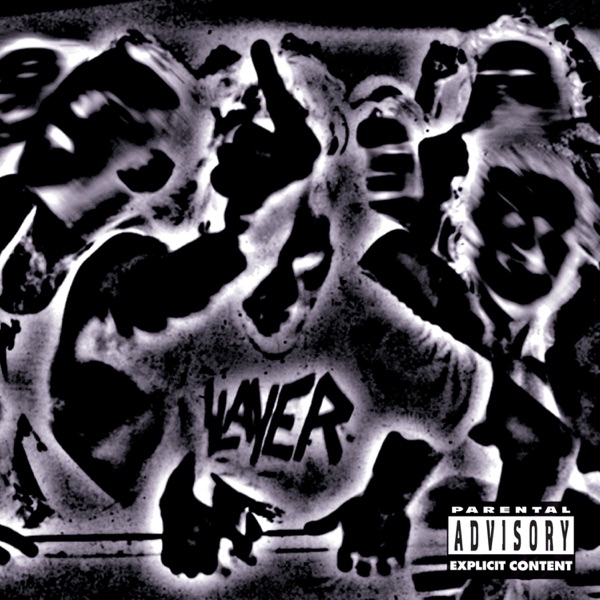
- 1996 Undisputed Attitude
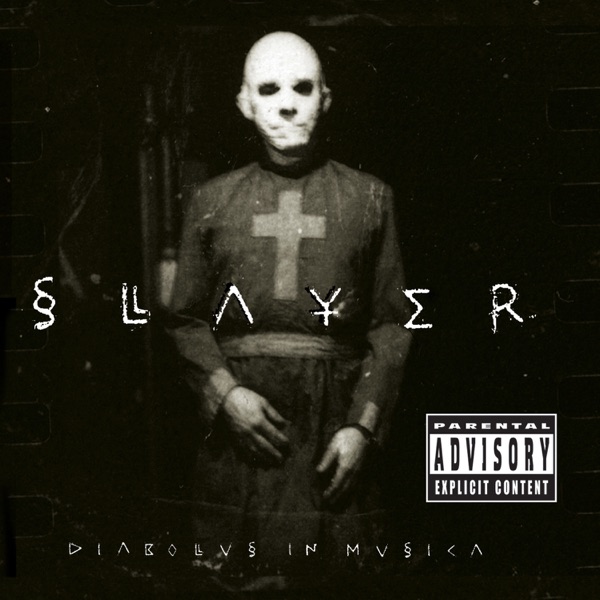
- 1998 Diabolus in Musica
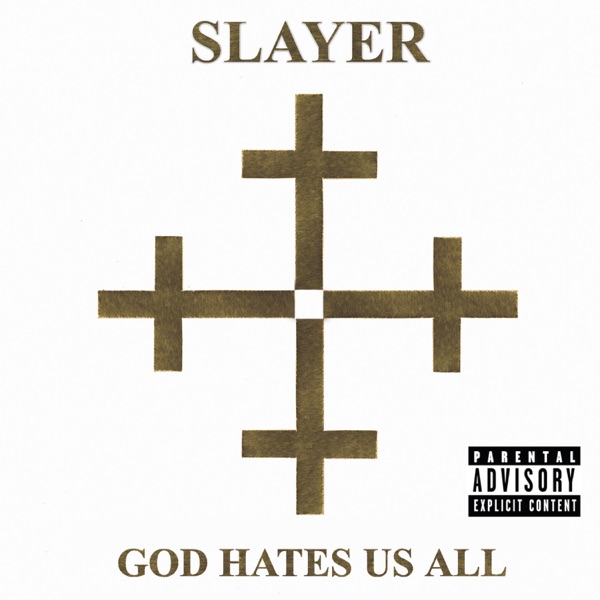
- 2001 God Hates Us All
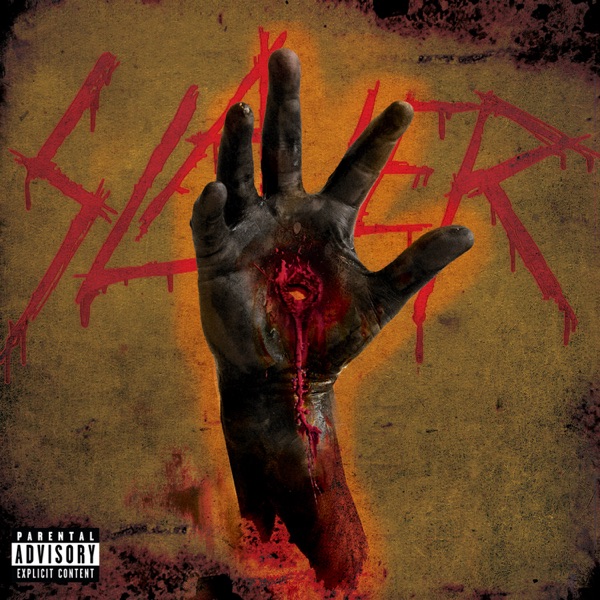
- 2006 Christ Illusion
- 2008 Dead Commander
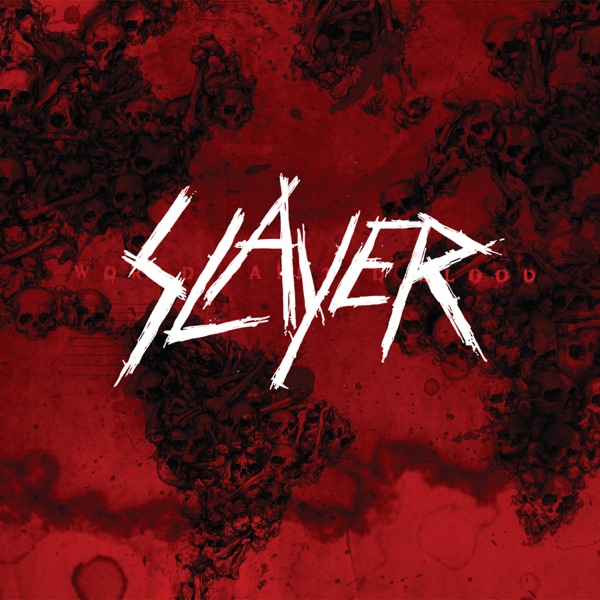
- 2009 World Painted Blood
- 2015 Repentless
Source: MusicBrainz
Deep Dive
Overview
Slayer is an American thrash metal band from Huntington Park, California, formed in 1981. Alongside Metallica, Megadeth, and Anthrax, Slayer earned their place as one of the “big four” bands that defined thrash metal in the 1980s and beyond. Their fast, aggressive musical style and uncompromising aesthetic established them as among the most influential and commercially successful bands in heavy metal, with a career spanning nearly four decades until their dissolution in 2019.
Formation Story
Slayer was formed in 1981 in Huntington Park, California by guitarists Kerry King and Jeff Hanneman, drummer Dave Lombardo, and bassist and vocalist Tom Araya. The four musicians converged to create a band that would synthesize the speed of early punk and new wave of British heavy metal with the raw power and distortion of heavy metal, forging a new template for extremity in rock music. The chemistry between King and Hanneman’s dual-guitar approach and Araya’s distinctive vocal presence—part sung, part shouted—created an immediately recognizable sonic signature that would persist throughout their discography.
Breakthrough Moment
Slayer’s 1986 album Reign in Blood served as their breakthrough moment, establishing them as major figures in the thrash metal pantheon. The album’s unrelenting pace, technical precision, and controversial lyrical subject matter garnered widespread attention both within the metal underground and in the broader music press. Reign in Blood crystallized the band’s formula and demonstrated that thrash metal could achieve both commercial reach and artistic credibility without compromise. Its success elevated Slayer from regional act to international touring force, and the album remains the defining statement of early-period thrash metal.
Peak Era
Slayer’s most creatively fertile and commercially significant period extended from the mid-1980s through the early 1990s. Following Reign in Blood, the band released South of Heaven in 1988 and Seasons in the Abyss in 1990, each album refining their sound while maintaining their core identity. These three albums represent Slayer at their most focused: tight songwriting, devastating live performances, and an unshakeable command of their craft. During this window, Slayer became a fixture on metal radio and MTV, and their touring schedule established them as one of the most formidable live acts in metal history. The band’s consistency and output during this period secured their position as not merely followers of the thrash formula but essential architects of it.
Musical Style
Slayer’s sound is built on the foundation of speed and aggression, executed with technical precision. Kerry King and Jeff Hanneman’s guitar work features rapid alternate picking, tremolo picking, and intricate riffing that demands both dexterity and raw power. Dave Lombardo’s drumming—known for its velocity and coordination across the kit—provides propulsion without sacrificing clarity. Tom Araya’s bass lines anchor the chaos, moving between melodic counter-riffs and driving the low-end foundation. Araya’s vocals, ranging from sung melody to guttural roars, add another layer of intensity to the ensemble. The band’s production style evolved over their career: early albums like Show No Mercy and Hell Awaits feature rawer, more claustrophobic sound, while later recordings adopt cleaner production that paradoxically intensifies the music’s impact by rendering every element audible. Lyrically, Slayer drew from horror, war, and religious imagery, creating a theatrical and provocative aesthetic that separated them from peers who leaned more heavily on personal or social commentary.
Major Albums
Show No Mercy (1983)
Slayer’s debut album announced the band’s arrival and established their core sound: a fusion of NWOBHM-influenced heavy metal structure with punk-derived speed and aggression. The record’s raw production and young energy set the template for everything that followed.
Reign in Blood (1986)
This album remains Slayer’s defining statement and one of thrash metal’s most essential records. Reign in Blood perfected the interplay between precision and chaos, creating songs that were simultaneously technical showcases and immediate, visceral listening experiences. Its cultural impact extended beyond metal fandom.
South of Heaven (1988)
Proving themselves capable of evolution, Slayer slowed South of Heaven marginally, allowing riffs more breathing room and emphasizing songwriting craft. The album demonstrates that thrash metal could sustain a full-length LP without sacrificing intensity, establishing Slayer as serious compositional thinkers.
Seasons in the Abyss (1990)
Slayer’s final album of their first major creative cycle, Seasons in the Abyss balanced experimentation with the accessibility Slayer had achieved. The title track became one of the band’s most recognizable songs, proving that heaviness and narrative could coexist.
Divine Intervention (1994)
After a four-year gap, Slayer returned with Divine Intervention, demonstrating their continued relevance in a metal landscape that had fragmented. The album reasserted their position in the genre hierarchy while showing willingness to revisit and refresh their sound.
Repentless (2015)
Released after Hanneman’s 2013 death and incorporating new guitarist Gary Holt (who had joined as touring musician in 2011), Repentless proved the band could maintain their identity and power with a new configuration, ensuring their legacy could be extended rather than terminated by the loss of a founding member.
Signature Songs
- Angel of Death — The opening track from Reign in Blood, featuring a guitar riff of immediate, undeniable power and Araya’s most theatrical vocal delivery, it became the song most synonymous with Slayer’s name.
- Raining Blood — Also from Reign in Blood, this track’s atmospheric intro and building intensity exemplify Slayer’s mastery of dynamics within the thrash framework.
- South of Heaven — The title track of their 1988 album, demonstrating how Slayer could create menace through tempo manipulation and compositional restraint.
- Seasons in the Abyss — The epic final track of their 1990 album, showcasing the band’s ability to sustain a narrative arc across eight-plus minutes of uncompromising metal.
- Dead Skin Mask — From Seasons in the Abyss, this song exemplified Slayer’s dark lyrical matter and became a live staple that showcased their ability to create hooks within extreme music.
- Mandatory Suicide — A South of Heaven deep cut that gained prominence through live performance, demonstrating the band’s consistent quality across their compositions.
Influence on Rock
Slayer’s influence on heavy metal and rock music extends across multiple dimensions. As members of the “big four” of thrash metal, they helped establish thrash as a dominant force in 1980s and 1990s metal, creating a template for speed, aggression, and technical precision that influenced countless bands across extreme metal genres—from death metal and black metal to metalcore and deathcore. Their uncompromising aesthetic and refusal to soften their approach for mainstream acceptance established a model of artistic integrity within metal that resonated across generations. Beyond metal, Slayer’s emphasis on speed as a compositional and performative element influenced punk and hard rock bands seeking to convey intensity through velocity. Their production choices—balancing raw energy with clarity—informed how engineers approached extreme music recording. The band’s cultural visibility, achieved through touring, MTV exposure, and critical recognition, legitimized thrash metal as an art form worthy of serious consideration, opening doors for the entire genre to achieve mainstream commercial success.
Legacy
Slayer disbanded in 2019 after nearly four decades of continuous activity, leaving behind one of the most substantial and consistent bodies of work in heavy metal history. The band’s decision to end on their own terms—rather than fade away or become a nostalgia act—reinforced their reputation for artistic integrity. Their catalog remains a primary entry point for listeners discovering thrash metal, with albums like Reign in Blood and South of Heaven maintaining their status as essential listening. The band’s influence on metal’s infrastructure cannot be overstated: they helped establish touring circuits, festival lineups, and critical frameworks that enabled extreme metal to flourish commercially and artistically. Gary Holt’s integration into the band following Jeff Hanneman’s death in 2013 proved the power of Slayer’s songwriting and the strength of the band’s identity—a configuration that might have ended other bands instead extended their creative life. Slayer’s streaming presence remains robust, testament to the timeless quality of their best work and the ongoing discovery of their music by new audiences. In metal’s institutional memory, Slayer stands as one of the genre’s fundamental pillars.
Fun Facts
- Dave Lombardo’s drumming style on the early Slayer albums became a reference point for drummers across metal genres, with his fast double-bass technique and complex fills studied by musicians learning to play extreme metal.
- Slayer recorded for multiple major and independent labels throughout their career, including Metal Blade Records, American Recordings, Nuclear Blast, and Def Jam Recordings, reflecting both their genre significance and broad commercial reach.
- The band maintained a relentless touring schedule throughout their existence, building a reputation as one of metal’s most dependable live attractions with performances known for their precision and energy.
- Jeff Hanneman and Kerry King’s partnership as dual guitarists never produced a formal songwriting credit split public acknowledgment, allowing Slayer’s songs to exist as collective compositions that obscured individual contributions.
Discography & Previews
Click any album to expand its track list. Each track plays a 30-second preview streamed from Apple Music. Tap the link icon next to a track to open it in Apple Music for full playback.

- 1 Disintegration / Free Money ↗ 1:41
- 2 Verbal Abuse / Leeches ↗ 1:58
- 3 Abolish Government / Superficial Love ↗ 1:47
- 4 Can't Stand You ↗ 1:28
- 5 Ddamm ↗ 1:01
- 6 Guilty of Being White ↗ 1:07
- 7 I Hate You ↗ 2:16
- 8 Filler / I Don't Want to Hear It ↗ 2:28
- 9 Spiritual Law ↗ 3:00
- 10 Mr. Freeze ↗ 2:24
- 11 Violent Pacification ↗ 2:38
- 12 Richard Hung Himself ↗ 3:22
- 13 I'm Gonna Be Your God ↗ 2:59
- 14 Gemini ↗ 4:53