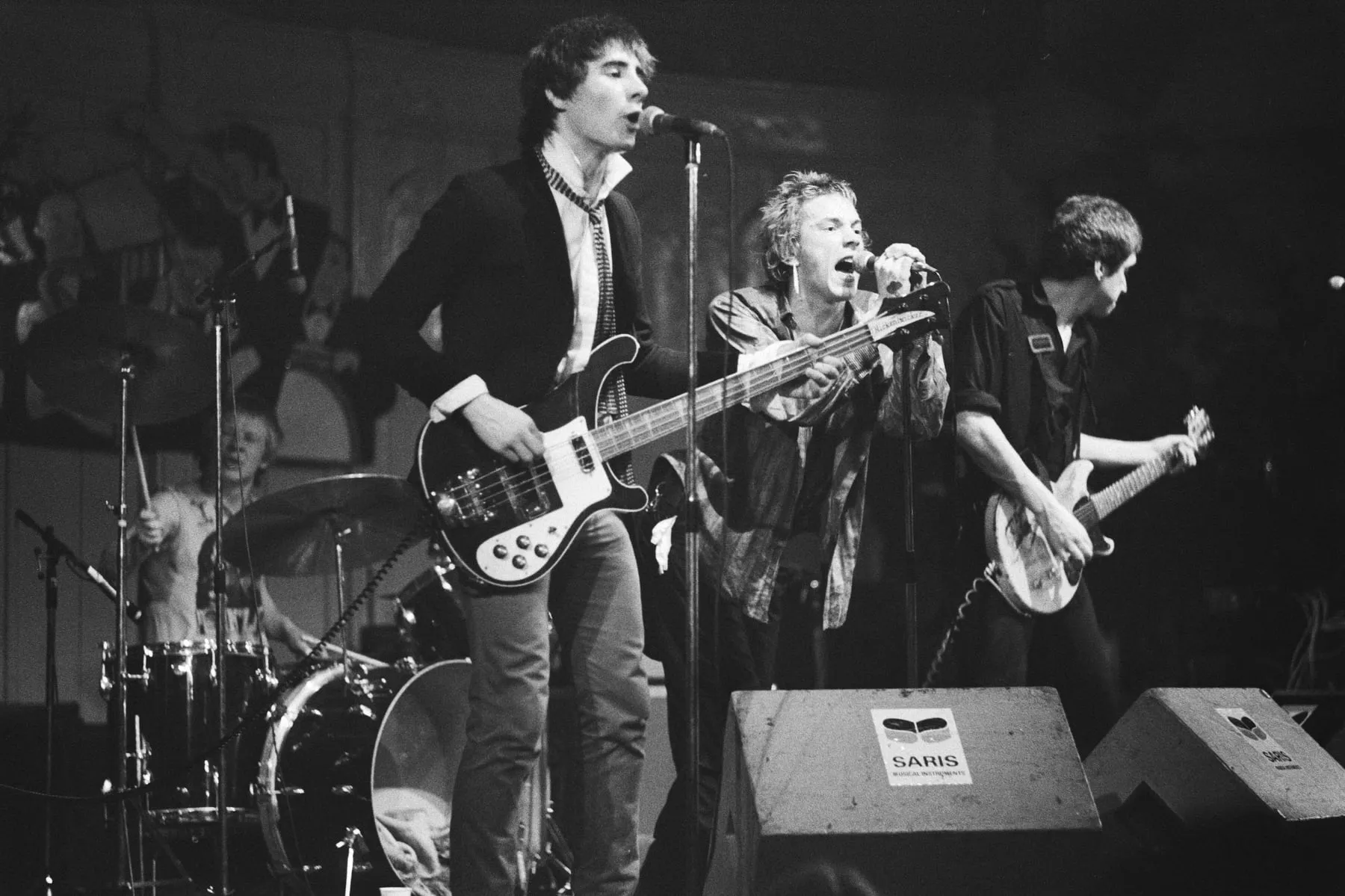
Photo by Photograph: Koen Suyk. In: Nationaal Archief, Den Haag, Rijksfotoarchief: Fotocollectie Algemeen Nederlands Fotopersbureau (ANEFO), 1945-1989 - negatiefstroken zwart/wit, nummer toegang 2.24.01.05, bestanddeelnummer 928-9665 , licensed under CC0 · Wikimedia Commons
Rank #18
Sex Pistols
Detonators of UK punk whose brief career rewired popular music.
From Wikipedia
The Sex Pistols are an English punk rock band formed in London in 1975. Although their initial career lasted just two and a half years, they became culturally influential in popular music. The band initiated the punk movement in the United Kingdom, with their clothes and hairstyles becoming a significant influence on the punk subculture and fashion.
Members
- Frank Carter
- Glen Matlock
- John Lydon
- Paul Cook
- Sid Vicious
- Steve Jones
Studio Albums
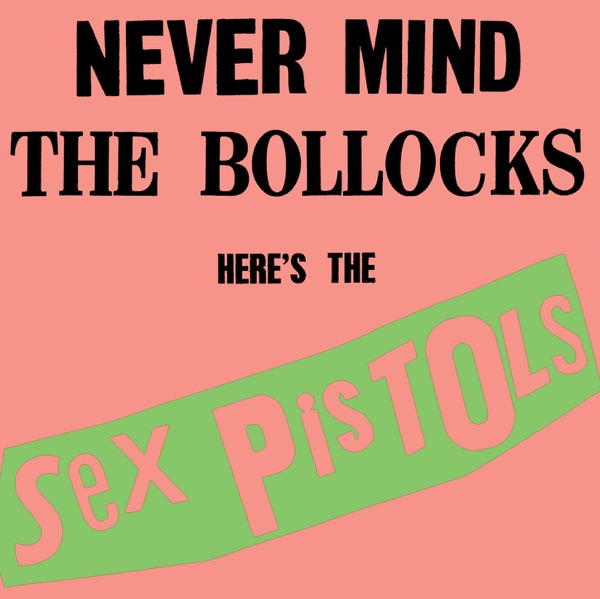
- 1977 Never Mind the Bollocks Here’s the Sex Pistols
- 1988 The Mini Album
- 2001 Anarchy in the UK
- 2017 More Product
- 2018 The Last Interview: 14th January 1978
- 2021 76–77
Source: MusicBrainz
Deep Dive
Overview
The Sex Pistols are an English punk rock band that formed in London in 1975 and became the primary catalysts for punk’s emergence in the United Kingdom. Although their initial career lasted just two and a half years, they fundamentally altered the landscape of popular music and youth culture. Operating at the intersection of music, fashion, and social provocation, the Sex Pistols did not merely play rock songs; they weaponized the form itself, turning punk rock from an American underground curiosity into a movement that would define a generation’s aesthetic and attitude.
The band’s influence extended far beyond their three-piece era and their recorded output. Their clothes, hairstyles, and deliberate cultivation of controversy established visual and behavioral codes that would define punk subculture for decades. Few bands have compressed as much cultural impact into so brief a lifespan.
Formation Story
The Sex Pistols emerged from the London scene in 1975 with a lineup consisting of John Lydon as vocalist, Steve Jones and Glen Matlock as guitarists, and Paul Cook as drummer. The band was constructed rather than organically assembled, brought together by manager Malcolm McLaren as an expression of avant-garde fashion concepts and deliberate cultural disruption. McLaren, working with his Kings Road boutique, envisioned the band as both a musical and sartorial statement—a vehicle for punk aesthetic and working-class aggression that would affront the values of established rock music.
The formation year of 1975 placed the band at a precise moment in rock history: just as the progressive and glam movements had calcified into self-parody, the Sex Pistols arrived with rawness and rejection of virtuosity. Lydon, Jones, Cook, and Matlock coalesced in London with no precedent for what they were about to initiate in their home country, though American punk acts like the New York Dolls and the Ramones provided a loose template.
Breakthrough Moment
The Sex Pistols’ breakthrough arrived with their debut album, Never Mind the Bollocks, Here’s the Sex Pistols, released in 1977. This record became the crystallization of UK punk and the moment the band transcended local London curiosity to become a national phenomenon and international talking point. The album’s title alone—provocative, obscene by the standards of mainstream British culture—generated controversy that amplified its reach far beyond traditional music channels.
The 1977 release established the band’s sonic template and cemented their role as punk’s public face in the UK. Controversy surrounding their television appearances and public behavior intensified their visibility. By the time Never Mind the Bollocks reached shelves, the Sex Pistols had become inseparable from punk itself; the band and the movement were one entity in the public consciousness.
Peak Era
The Sex Pistols’ peak era was confined to their original 1975–1978 run, a period in which they recorded one studio album of lasting significance and became the defining band of UK punk. The years 1976 and 1977 represented their height, when every performance, interview, and promotional action generated scandal and media attention. Their brief window as an active recording and touring concern meant that their creative and cultural peak occurred almost simultaneously; there was no long gradual rise followed by decline. Instead, the band burned intensely, generated Never Mind the Bollocks, and fragmented before they could ossify into something predictable.
By 1978, internal tensions and the exhaustion of shock as a sustainable creative strategy led to the band’s dissolution. Their peak era was therefore compressed but absolute in its impact—they did not have a long run to wear out their welcome or revisit former glories. The brevity itself became part of their mythology.
Musical Style
The Sex Pistols played hard-edged punk rock derived from garage rock fundamentals but stripped of technical ornamentation. Their sound was characterized by jagged, distorted guitar riffs from Steve Jones, straightforward and forceful drumming from Paul Cook, and John Lydon’s distinctive vocals—often sarcastic, occasionally sung but frequently spoken-shouted with emphasis on lyrical content over melodic line. The band’s approach to songwriting prioritized directness and confrontation; songs were vehicles for attitude and social commentary rather than displays of compositional complexity.
Genre-wise, the Sex Pistols synthesized the raw energy of garage rock with punk’s deliberate rejection of technical proficiency. Lydon’s vocal delivery, in particular, was unconventional by rock standards—his singing was sometimes flat, sometimes sneering, but always committed to emotional communication over vocal beauty. This rejection of conventional rock performance values became a punk standard. The band’s production was relatively clean for punk, allowing each instrument and voice to sit clearly in the mix, which paradoxically made their aggressive content more direct and more discomfiting.
Major Albums
Never Mind the Bollocks, Here’s the Sex Pistols (1977)
The Sex Pistols’ singular masterpiece and the definitive statement of UK punk, containing the majority of their most recognizable songs and establishing the sonic and lyrical template for an entire movement. This album remains the most commercially successful and critically enduring punk record of its era.
The Mini Album (1988)
A later collection that gathered material from the band’s original run, serving archival and retrospective purposes for listeners encountering the band after their initial dissolution.
More Product (2017)
A posthumous compilation drawing from the band’s extensive archive, offering deep-cut material and alternate takes that documented the breadth of their recorded work during the 1975–1978 window.
76–77 (2021)
A focused retrospective collection concentrating on material from the band’s formative years, 1976 and 1977, the period corresponding to their peak creative and cultural moment.
Signature Songs
- “Anarchy in the UK” — The band’s most recognized song and unofficial punk anthem, a declaration of intent and rejection of authority that defined their public stance.
- “God Save the Queen” — A profane reframing of the British national anthem that generated massive controversy and articulated punk’s relationship to establishment institutions.
- “Pretty Vacant” — A straightforward punk rocker that captured adolescent aimlessness and became a staple of punk setlists worldwide.
- “Holidays in the Sun” — A raw, energetic track demonstrating the band’s ability to channel aggression and social commentary into memorable musical form.
Influence on Rock
The Sex Pistols did not invent punk rock—that credit belongs to American bands like the Ramones—but they activated it in the United Kingdom and transformed it from a fringe underground phenomenon into a mass cultural movement. Their impact cascaded across generations of rock musicians who understood that provocation, directness, and rejection of virtuosity could be as musically powerful as technical mastery. Bands that emerged in punk’s wake, from The Clash to Public Image Ltd., operated in the conceptual space the Sex Pistols had established.
Beyond music, the band’s influence on fashion, visual presentation, and youth culture proved equally consequential. The aesthetic codes they and their manager Malcolm McLaren developed—safety pins, ripped clothing, aggressive hairstyling—became the visual language of punk and would influence fashion cycles decades forward. The Sex Pistols demonstrated that a rock band could function as a comprehensive cultural statement, not merely a musical entity.
Legacy
The Sex Pistols remain the defining band of the UK punk movement despite—or perhaps because of—their brief existence. Their single studio album of original material has never gone out of print and continues to be discovered by successive generations of listeners. The band’s dissolution in 1978 prevented the entropy that often claims longer-running acts; they burned bright and left the stage before decline became visible.
Posthumous reissues and archival releases, including material spanning their formative years, have allowed deeper examination of their working process and the breadth of their catalog. The band’s cultural status transcends conventional music history; they function as a historical marker, the moment when punk became visible to mainstream culture in the UK. Their influence on how rock bands understood the relationship between music, fashion, performance, and cultural disruption remains a standard reference point for musicians and critics assessing popular music’s capacity for genuine social intervention.
Fun Facts
- The band’s original bassist was Glen Matlock, whose melodic sensibility influenced several of their most famous songs before his departure during the peak period.
- Sid Vicious, who became the band’s bassist and public face in their later iterations, was known for his aggressive stage presence and became as much a symbol of punk attitude as any musical contribution.
- The Sex Pistols’ brief recording history concentrated their creative output into an exceptionally dense period, with Never Mind the Bollocks capturing nearly everything they would be remembered for in conventional musical terms.
- Frank Carter served as a member during the band’s existence, though his tenure was briefer than the more widely recognized founding lineup members.
- The band’s names—both the group and individual members—were often deliberate provocations, marketing strategies designed to maximize social friction and media attention.
Discography & Previews
Click any album to expand its track list. Each track plays a 30-second preview streamed from Apple Music. Tap the link icon next to a track to open it in Apple Music for full playback.