
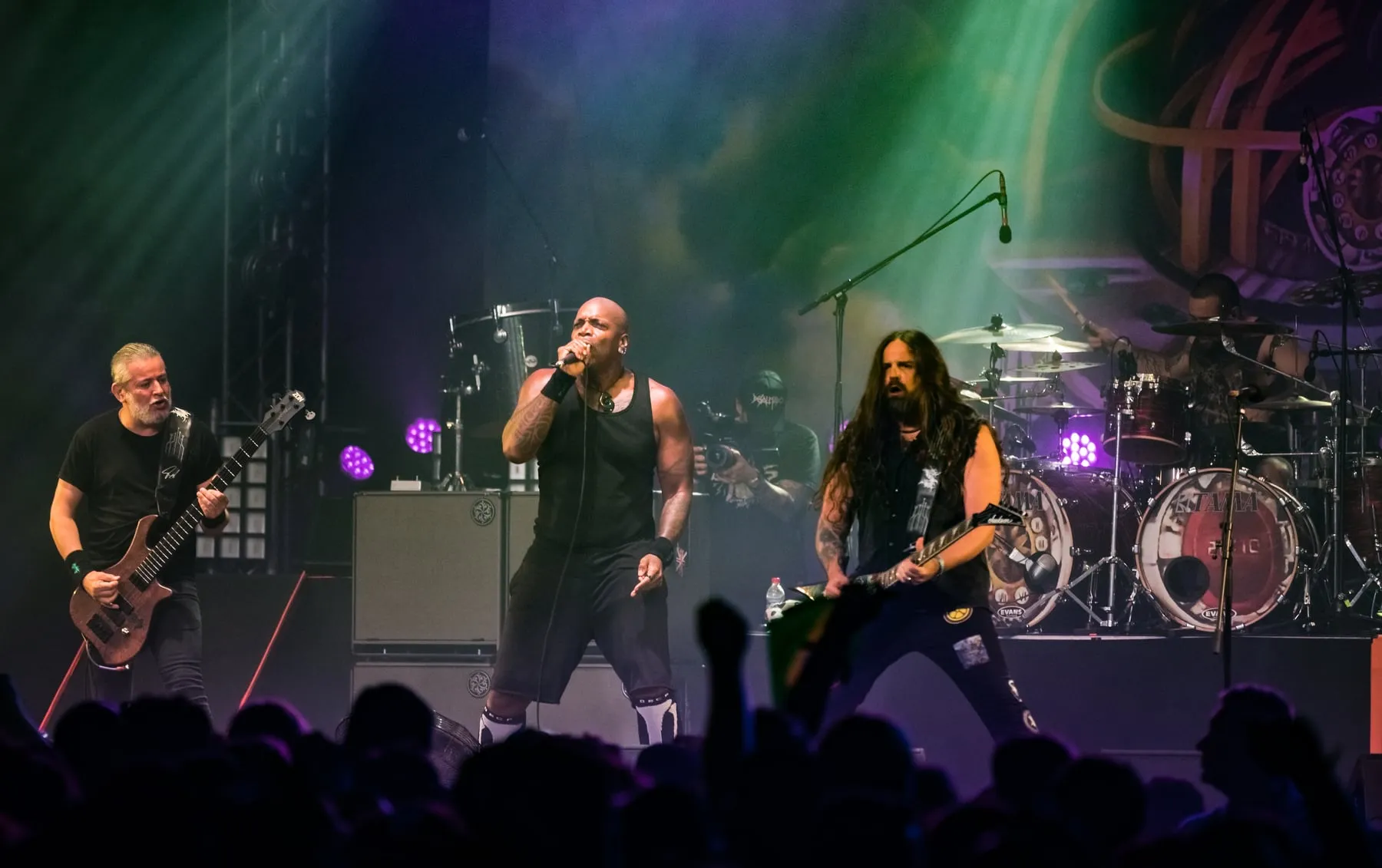
Photo by Andreas Lawen, Fotandi , licensed under CC BY-SA 4.0 · Wikimedia Commons
Rank #260
Sepultura
Belo Horizonte band whose 'Roots' fused thrash with Brazilian rhythm.
From Wikipedia
Sepultura is a Brazilian heavy metal band formed in Belo Horizonte in 1984 by brothers Max and Igor Cavalera. They were a major force in the groove metal, thrash metal, and death metal genres during the late 1980s and early 1990s, and were also an integral part of the sound of deathrash. Their style has changed over the years, with the band merging its sound with influences and textures of alternative metal, world music, nu metal, progressive rock, hardcore punk, and industrial metal. Sepultura is also considered part of the second wave of thrash metal from the late 1980s to early-to-mid-1990s.
Members
- Max Cavalera
Studio Albums
- 1985 Século X.X. / Bestial Devastation
- 1986 Morbid Visions
- 1987 Schizophrenia
- 1989 Beneath the Remains
- 1991 Arise
- 1993 Chaos A.D.
- 1996 Roots
- 1998 Against
- 2001 Nation
- 2003 Roorback
- 2006 Dante XXI
- 2009 A-Lex
- 2011 Kairos
- 2013 The Mediator Between Head and Hands Must Be the Heart
- 2017 Machine Messiah
- 2020 Quadra
Source: MusicBrainz
Deep Dive
Overview
Sepultura is a Brazilian heavy metal band formed in Belo Horizonte in 1984 by brothers Max and Igor Cavalera. Emerging from a country with virtually no established metal infrastructure, they became a major force in the groove metal, thrash metal, and death metal genres during the late 1980s and early 1990s. The band is integral to the sound of deathrash—a fusion of death metal’s heaviness and vocabulary with thrash metal’s speed and aggression—and is considered part of the second wave of thrash metal that dominated the late 1980s to early-to-mid-1990s. Their influence extends well beyond metal purists, as their style progressively merged with alternative metal, world music, nu metal, progressive rock, hardcore punk, and industrial metal textures.
Formation Story
Max and Igor Cavalera founded Sepultura in Belo Horizonte, Brazil’s third-largest city, in 1984. Belo Horizonte had no thriving metal scene to draw from; the brothers were building something entirely new in a vacuum, inspired by imported records and a hunger to create something heavier and faster than what Brazilian music typically offered. From the outset, they pursued an extreme metal sound at a time when Brazilian rock was dominated by lighter genres. The early formation of the band came at a moment when thrash metal was still consolidating itself globally through American and European bands; Sepultura’s emergence from South America positioned them as outsiders to the traditional metal narrative, a distance that would ultimately define their identity.
Breakthrough Moment
Sepultura’s first two recordings—the 1985 split Século X.X. / Bestial Devastation and the 1986 album Morbid Visions—established them as practitioners of raw, uncompromising death-influenced thrash. However, it was 1989’s Beneath the Remains that marked a genuine breakthrough, signaling both technical maturity and a growing international audience. The album demonstrated the band’s ability to balance melodic sensibility with crushing heaviness, and it circulated widely in the underground metal network. By the early 1990s, Sepultura had transitioned from Brazilian curiosity to international act, their status cemented by increasingly ambitious tours and expanded distribution through labels like Roadrunner Records, which gave them access to the North American and European markets.
Peak Era
Sepultura’s creative and commercial peak extended from 1991 to 1996, a five-year span anchored by three defining albums. Arise (1991) consolidated the band’s technical prowess and songwriting maturity, while Chaos A.D. (1993) introduced an even more visceral, almost militaristic heaviness alongside social and political lyrical themes. The pinnacle arrived with Roots (1996), a landmark recording that fully realized Sepultura’s vision of merging thrash and groove metal with authentic Brazilian percussion, rhythmic structures, and world music aesthetics. Rather than applying Brazilian influences as seasoning, Roots integrated them into the compositional DNA of the work, creating an album that sounded simultaneously Brazilian and brutally heavy. This period represented the band’s greatest critical and commercial success, with their reputation as both metal innovators and cultural ambassadors from the Global South fully established.
Musical Style
Sepultura’s sound begins with the fundamental language of thrash metal—rapid, palm-muted riffing, complex drum patterns, and growled or shouted vocals delivered with unrelenting intensity. However, their approach incorporated the heaviness and tuning sensibilities of death metal, creating a sound heavier and darker than traditional thrash. What distinguished them from American and European peers was the progressive incorporation of non-Western musical elements. Early records like Morbid Visions and Schizophrenia (1987) were relatively straightforward in their thrash assault; Beneath the Remains began introducing rhythmic complexity and a tighter, more articulate production. By the Arise and Chaos A.D. era, the band had developed a signature groove-oriented approach, with riffs designed to induce physical movement rather than purely sonic assault. Roots crystallized this trajectory by embedding Brazilian percussion instruments—tamborims, berimbaus, and hand drums—as primary compositional elements rather than effects, alongside Max Cavalera’s increasingly expressive vocal delivery. Later records saw the band explore alternative metal, industrial metal, and progressive rock territories, but the foundational aesthetic of heavy grooves anchored in diverse rhythmic traditions remained constant.
Major Albums
Beneath the Remains (1989)
A watershed moment in the band’s development, this album demonstrated technical proficiency rivaling their international competitors while introducing lyrical and thematic ambition. The production clarity and songwriting sophistication marked a decisive step forward.
Arise (1991)
Sepultura’s third major statement refined the grooved thrash template into a weapon of precision and power. The album solidified their reputation as more than a regional phenomenon, establishing them as serious contenders in global extreme metal.
Chaos A.D. (1993)
This record deepened the band’s exploration of political and social themes while expanding the dynamic range and sonic palette. The use of samples, spoken-word passages, and more pronounced groove elements presaged their later stylistic expansions.
Roots (1996)
The definitive Sepultura statement, Roots seamlessly integrated Brazilian musical traditions—percussion, rhythm, melody—with brutal heavy metal. The album remains a landmark for demonstrating how extreme metal could absorb world music influences without sacrificing heaviness or identity.
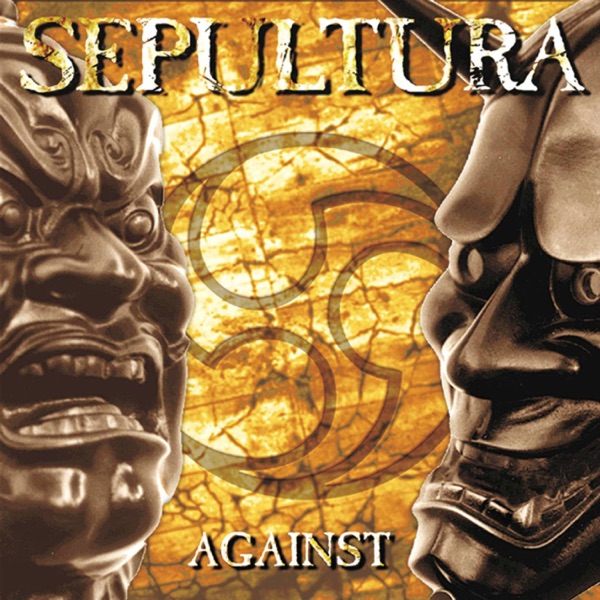
Against (1998)
Following Roots, this album represented a shift toward more introspective arrangements and industrial textures, continuing the band’s evolution beyond pure metal purism while maintaining their core intensity.
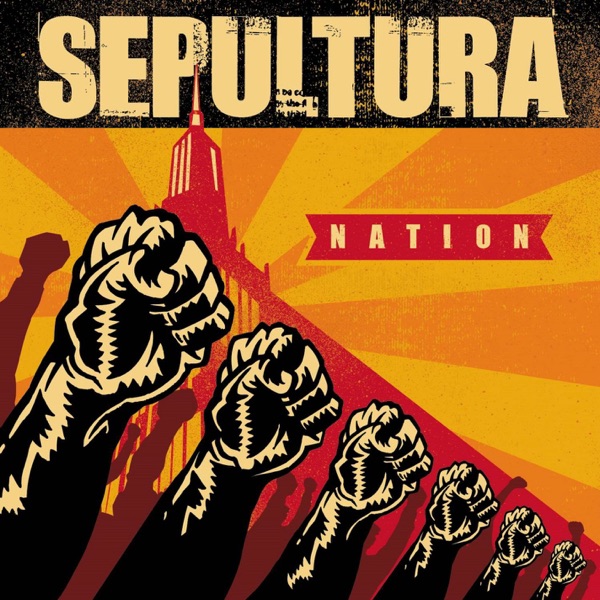
Nation (2001)
Recorded during a period of transition, Nation displayed the band’s willingness to pursue progressive and experimental structures, reinforcing their status as constantly evolving rather than static practitioners of a fixed style.
Signature Songs
- Arise — The title track became synonymous with the band’s name, a mid-paced groove assault that exemplifies their ability to create memorable compositions within an extreme metal framework.
- Roots Bloody Roots — The opening track of Roots, featuring live Brazilian percussion and a hook that brought world music sensibility to thrash metal radio.
- Ratamahatta — A Roots centerpiece that fused Portuguese-language vocals with samba-influenced rhythms and crushing metal riffs, epitomizing the album’s fusion approach.
- Organic Hallucinosis — From Chaos A.D., demonstrating the band’s ability to construct complex, multi-movement compositions within a single track.
- Cut-Throat — A standout from Arise showcasing the band’s technical riffing and groove sensibility in a relatively concise format.
Influence on Rock
Sepultura’s primary influence has been on metal itself, particularly the normalization of non-Western cultural elements within extreme music and the demonstration that thrash and groove metal could absorb diverse influences without dilution. Their emergence from Brazil challenged the assumption that extreme metal was exclusively a North American and European phenomenon, opening pathways for metal bands from Latin America, Asia, and Africa to pursue the genre with regional identity intact. The band’s approach to Roots—treating world music not as exotic decoration but as foundational compositional material—has influenced how subsequent metal bands approach cultural hybridity. Beyond metal, their work on industrial and progressive territories influenced the broader alternative metal landscape of the late 1990s and 2000s, demonstrating that groove-based heaviness could coexist with experimental soundscaping.
Legacy
Sepultura’s position in metal history is secure as pioneers of the second thrash wave and as architects of a genuinely internationalist approach to extreme music. While lineup changes and shifting industry dynamics reshaped the band after the 1990s—particularly following the 1996 Roots era—their canonical recordings remain influential across metal subgenres and have been continuously reissued and streamed. The band has maintained an active recording and touring presence since formation, with albums continuing through 2020’s Quadra, demonstrating sustained commitment to the form even as the metal landscape shifted around them. Their influence extends into contemporary metal production, where the fusion of groove, world music, and extreme heaviness that they pioneered has become a recognized strand of the genre. Sepultura’s journey from a Brazilian city with no metal infrastructure to international significance represents one of metal’s clearest examples of how regional outsiders transformed the medium by refusing to simply imitate established models.
Fun Facts
- Sepultura recorded their first split album with another Brazilian band while the global thrash metal infrastructure was still developing, making them effectively self-taught practitioners of a genre that had no local tradition to learn from.
- The band’s name, meaning “grave” or “tomb” in Portuguese, reflects the death metal influences embedded in their sound from inception.
- Roots featured collaboration with indigenous Brazilian musicians and percussion specialists, integrating live traditional performances into the recording process rather than sampling or synthesizing world music elements.
- Despite the major international success of Roots in 1996, the band continued evolving their sound rather than repeating the album’s formula, with subsequent records exploring industrial, progressive, and alternative territories.
Discography & Previews
Click any album to expand its track list. Each track plays a 30-second preview streamed from Apple Music. Tap the link icon next to a track to open it in Apple Music for full playback.

- 1 Morbid Visions ↗ 3:25
- 2 Mayhem ↗ 3:18
- 3 Troops of Doom ↗ 3:23
- 4 War ↗ 5:35
- 5 Crucifixion ↗ 5:04
- 6 Show Me the Wrath ↗ 3:54
- 7 Funeral Rites ↗ 4:25
- 8 Empire of the Damned ↗ 4:26
- 9 The Curse ↗ 0:39
- 10 Bestial Devastation ↗ 3:08
- 11 Antichrist ↗ 3:48
- 12 Necromancer ↗ 3:53
- 13 Warriors of Death ↗ 4:10
- 14 Necromancer (Demo) ↗ 4:01
- 15 Anticop (Live) ↗ 3:02

- 1 Intro (Schizophrenia) ↗ 0:32
- 2 From the Past Comes the Storms ↗ 4:57
- 3 To the Wall ↗ 5:39
- 4 Escape to the Void ↗ 4:41
- 5 Inquisition Symphony ↗ 7:16
- 6 Screams Behind the Shadows ↗ 4:50
- 7 Septic Schizo ↗ 4:34
- 8 The Abyss ↗ 1:02
- 9 R.I.P. (Rest In Pain) ↗ 4:38
- 10 Troops of Doom ↗ 3:20
- 11 The Past Reborns the Storms (Demo) ↗ 5:09
- 12 Septic Schizo (Rough Mix) ↗ 4:35
- 13 To the Wall (Rough Mix) ↗ 5:31

- 1 Beneath the Remains ↗ 5:14
- 2 Inner Self ↗ 5:09
- 3 Stronger Than Hate ↗ 5:53
- 4 Mass Hypnosis ↗ 4:26
- 5 Sarcastic Existence ↗ 4:46
- 6 Slaves of Pain ↗ 4:04
- 7 Lobotomy ↗ 4:59
- 8 Hungry ↗ 4:29
- 9 Primitive Future ↗ 3:11
- 10 A Hora E a Vez Do Cabelo Nascer ↗ 2:23
- 11 Inner Self (Drum Tracks, Scratch Guitar, No Bass, No Vox) ↗ 5:11
- 12 Mass Hypnosis (Drum Tracks, Scratch Guitar, No Bass, No Vox) ↗ 4:22

- 1 Arise (Remastered) ↗ 3:18
- 2 Dead Embryonic Cells (Remastered) ↗ 4:52
- 3 Desperate Cry (Remastered) ↗ 6:40
- 4 Murder (Remastered) ↗ 3:26
- 5 Subtraction (Remastered) ↗ 4:48
- 6 Altered State (Remastered) ↗ 6:33
- 7 Under Siege (Regnum Irae) [Remastered] ↗ 4:53
- 8 Meaningless Movements (Remastered) ↗ 4:40
- 9 Infected Voice (Remastered) ↗ 3:16

- 1 Refuse / Resist (Remastered) ↗ 3:19
- 2 Territory (Remastered) ↗ 4:47
- 3 Slave New World (Remastered) ↗ 2:55
- 4 Amen (Remastered) ↗ 4:27
- 5 Kaiowas (Remastered) ↗ 3:46
- 6 Propaganda (Remastered) ↗ 3:33
- 7 Biotech Is Godzilla (Remastered) ↗ 1:52
- 8 Nomad (Remastered) ↗ 4:59
- 9 We Who Are Not As Others (Remastered) ↗ 3:42
- 10 Manifest (Remastered) ↗ 4:49
- 11 The Hunt (Remastered) ↗ 3:59
- 12 Clenched Fist (Remastered) ↗ 5:02

- 1 Roots Bloody Roots (Remastered) ↗ 3:33
- 2 Attitude (Remastered) ↗ 4:15
- 3 Cut-Throat (Remastered) ↗ 2:45
- 4 Ratamahatta (Remastered) ↗ 4:30
- 5 Breed Apart (Remastered) ↗ 4:01
- 6 Straighthate (Remastered) ↗ 5:22
- 7 Spit (Remastered) ↗ 2:46
- 8 Lookaway (Remastered) ↗ 5:26
- 9 Dusted (Remastered) ↗ 4:03
- 10 Born Stubborn (Remastered) ↗ 4:08
- 11 Jasco (Remastered) ↗ 1:58
- 12 Itsári (Remastered) ↗ 4:49
- 13 Ambush (Remastered) ↗ 4:39
- 14 Endangered Species (Remastered) ↗ 5:18
- 15 Dictatorshit (Remastered) ↗ 1:27
- 16 Canyon Jam (Remastered) ↗ 13:17
- 1 Sepulnation ↗ 4:20
- 2 Revolt ↗ 0:56
- 3 Border Wars ↗ 4:57
- 4 One Man Army ↗ 5:27
- 5 Vox Populi ↗ 3:41
- 6 The Ways of Faith ↗ 4:38
- 7 Uma Cura ↗ 3:14
- 8 Who Must Die? ↗ 2:58
- 9 Saga ↗ 4:38
- 10 Tribe to a Nation ↗ 2:35
- 11 Politricks ↗ 4:14
- 12 Human Cause ↗ 0:57
- 13 Reject ↗ 2:45
- 14 Water ↗ 2:44
- 15 Valtio ↗ 3:21
- 1 Come Back Alive (2021 Remaster) ↗ 3:06
- 2 Godless (2021 Remaster) ↗ 4:22
- 3 Apes of God (2021 Remaster) ↗ 3:36
- 4 More of the Same (2021 Remaster) ↗ 3:59
- 5 Urge (2021 Remaster) ↗ 3:17
- 6 Corrupted (2021 Remaster) ↗ 2:33
- 7 As It Is (2021 Remaster) ↗ 4:27
- 8 Mind War (2021 Remaster) ↗ 3:00
- 9 Leech (2021 Remaster) ↗ 2:24
- 10 The Rift (2021 Remaster) ↗ 2:56
- 11 Bottomed Out (2021 Remaster) ↗ 4:36
- 12 Activist (2021 Remaster) ↗ 1:53
- 13 Outro (2021 Remaster) ↗ 4:43
- 14 Bullet the Blue Sky (2021 Remaster) ↗ 4:35

- 1 Lost (Intro) [2021 Remaster] ↗ 0:59
- 2 Dark Wood of Error (2021 Remaster) ↗ 2:19
- 3 Convicted in Life (2021 Remaster) ↗ 3:09
- 4 City of Dis (2021 Remaster) ↗ 3:27
- 5 False (2021 Remaster) ↗ 3:34
- 6 Fighting On (2021 Remaster) ↗ 4:29
- 7 Limbo (Intro) [2021 Remaster] ↗ 0:44
- 8 Ostia (2021 Remaster) ↗ 3:07
- 9 Buried Words (2021 Remaster) ↗ 2:35
- 10 Nuclear Seven (2021 Remaster) ↗ 3:44
- 11 Repeating the Horror (2021 Remaster) ↗ 3:12
- 12 Eunoe (Intro) [2021 Remaster] ↗ 0:13
- 13 Crown and Miter (2021 Remaster) ↗ 2:11
- 14 Primium Mobile (Intro) [2021 Remaster] ↗ 0:30
- 15 Still Flame (2021 Remaster) ↗ 4:51

- 1 A-Lex I (2021 - Remaster) ↗ 1:54
- 2 Moloko Mesto (2021 - Remaster) ↗ 2:09
- 3 Filthy Rot (2021 - Remaster) ↗ 2:46
- 4 We've Lost You! (2021 - Remaster) ↗ 4:14
- 5 What I Do! (2021 - Remaster) ↗ 2:01
- 6 A-Lex II (2021 - Remaster) ↗ 2:18
- 7 The Treatment (2021 - Remaster) ↗ 3:24
- 8 Metamorphosis (2021 - Remaster) ↗ 3:01
- 9 Sadistic Values (2021 - Remaster) ↗ 6:51
- 10 Forceful Behavior (2021 - Remaster) ↗ 2:28
- 11 Conform (2021 - Remaster) ↗ 1:54
- 12 A-Lex III (2021 - Remaster) ↗ 2:03
- 13 The Experiment (2021 - Remaster) ↗ 3:28
- 14 Strike (2021 - Remaster) ↗ 3:41
- 15 Enough Said (2021 - Remaster) ↗ 1:37
- 16 Ludwig Van (2021 - Remaster) ↗ 5:30
- 17 A-Lex IV (2021 - Remaster) ↗ 2:46
- 18 Paradox (2021 - Remaster) ↗ 2:14
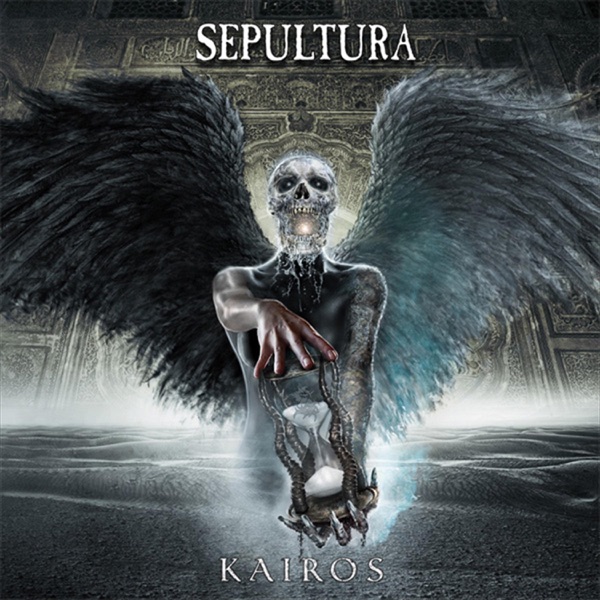
- 1 Spectrum ↗ 4:00
- 2 Kairos ↗ 3:35
- 3 Relentless ↗ 3:35
- 4 2011 ↗ 0:29
- 5 Just One Fix ↗ 3:30
- 6 Dialog ↗ 4:54
- 7 Mask ↗ 4:29
- 8 1433 ↗ 0:30
- 9 Seethe ↗ 2:24
- 10 Born Strong ↗ 4:37
- 11 Embrace the Storm ↗ 3:30
- 12 5772 ↗ 0:27
- 13 No One Will Stand ↗ 3:15
- 14 Structure Violence (Azzes) ↗ 5:37
- 15 4648 ↗ 0:28
- 16 Firestarter ↗ 4:30
- 17 Point of No Return ↗ 3:24


