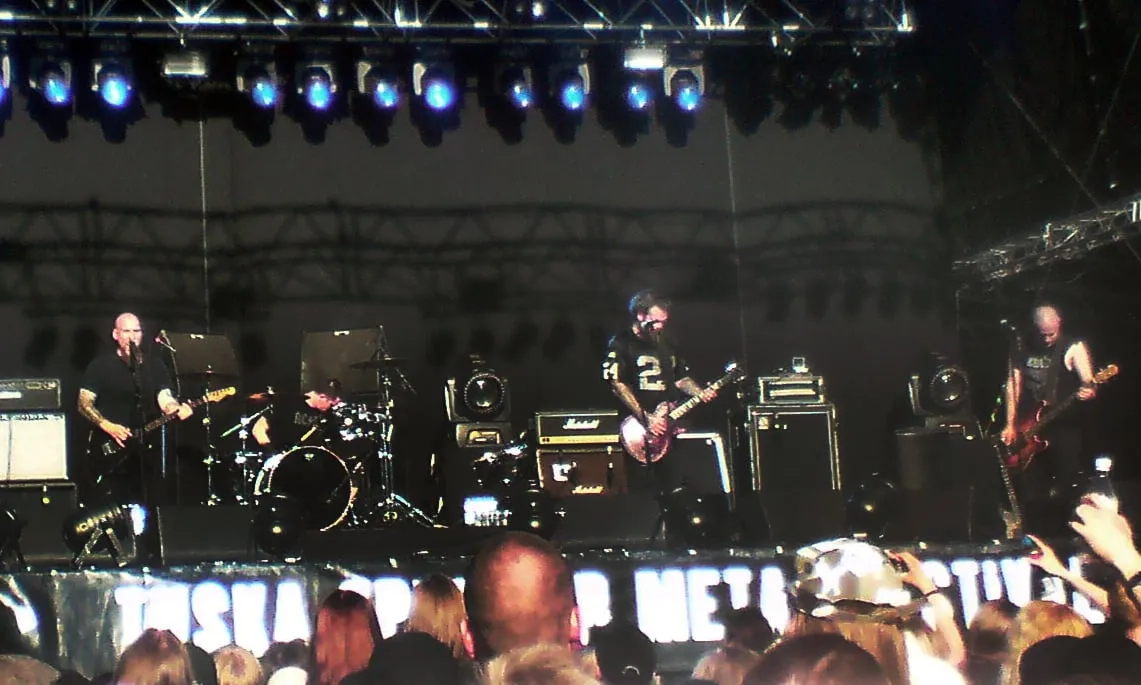
Photo by Jahmoonn , licensed under CC BY-SA 3.0 · Wikimedia Commons
Rank #124
Neurosis
Oakland heavy-rock visionaries who married hardcore weight to ritualistic ambient.
From Wikipedia
Neurosis is an American post-metal band from Oakland, California. It was formed in 1985 by guitarist Scott Kelly, bassist Dave Edwardson, and drummer Jason Roeder, initially as a crust punk band. Chad Salter joined as a second guitarist and appeared on the band's 1987 debut Pain of Mind, and then Steve Von Till replaced him in 1989. The following year, the lineup further expanded to include a keyboardist and a visual artist. Beginning with their third album Souls at Zero (1992), Neurosis transformed their hardcore sound by incorporating diverse influences including doom metal and industrial music, becoming a major force in the emergence of the post-metal and sludge metal genres.
Members
- Scott Kelly
Studio Albums
- 1987 Pain of Mind
- 1990 The Word as Law
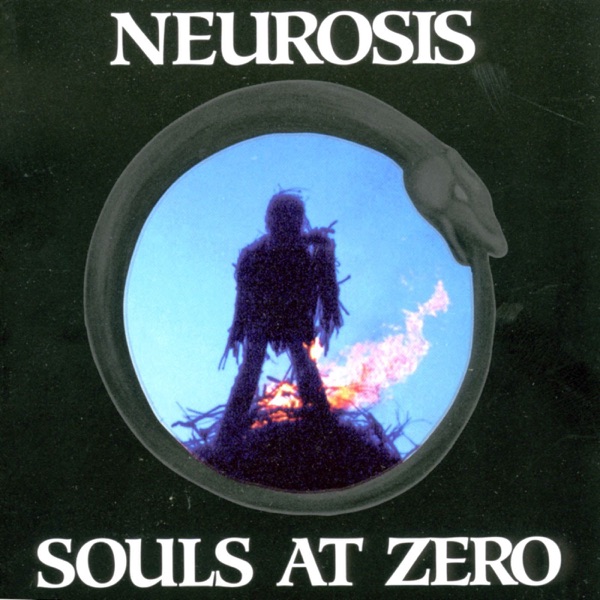
- 1992 Souls at Zero
- 1993 Enemy of the Sun
- 1996 Through Silver in Blood
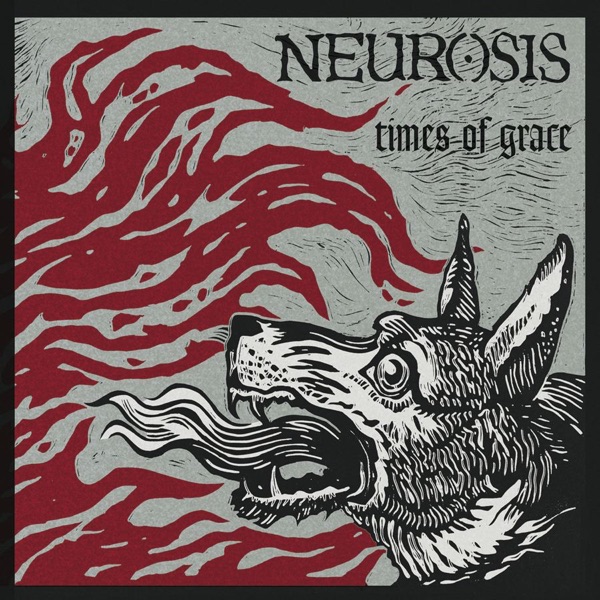
- 1999 Times of Grace
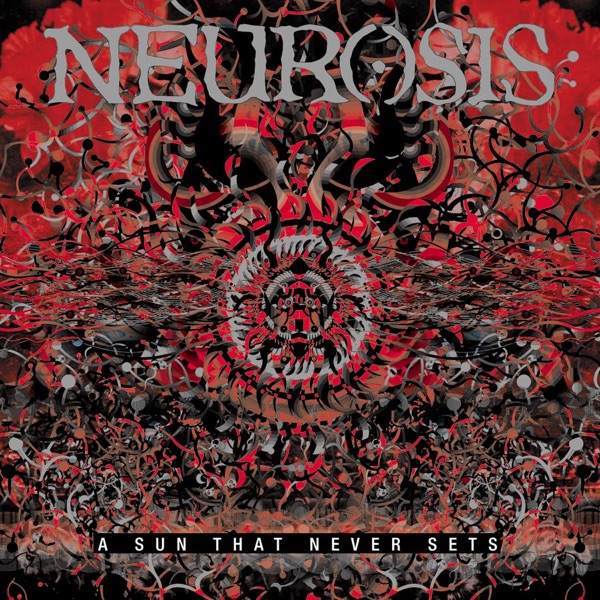
- 2001 A Sun That Never Sets
- 2003 Neurosis & Jarboe
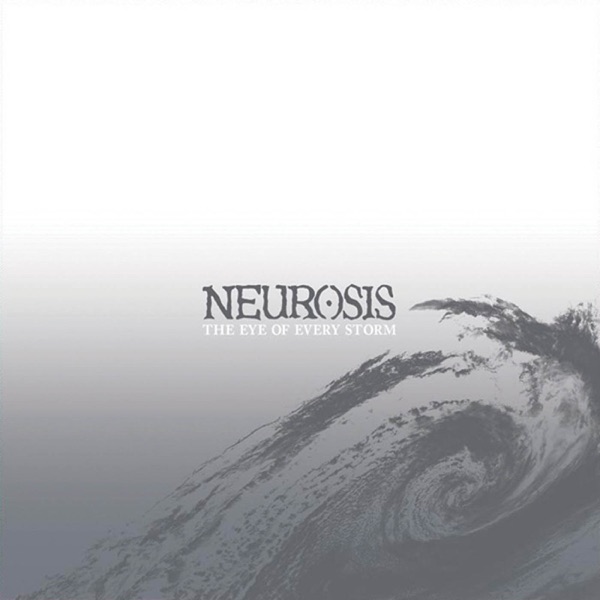
- 2004 The Eye of Every Storm
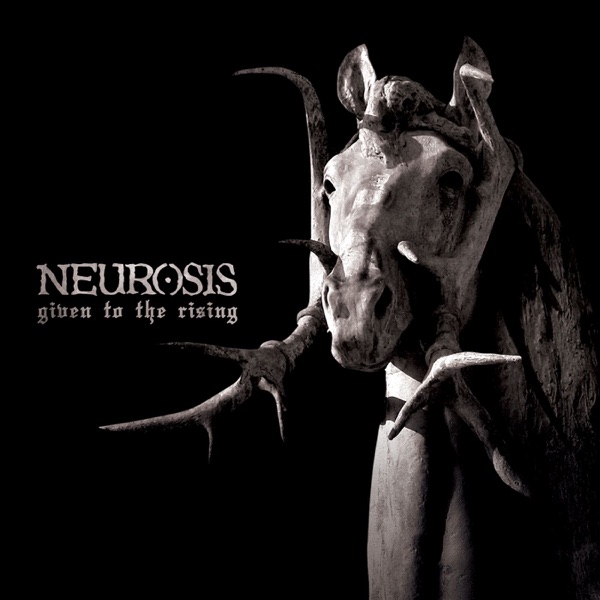
- 2007 Given to the Rising
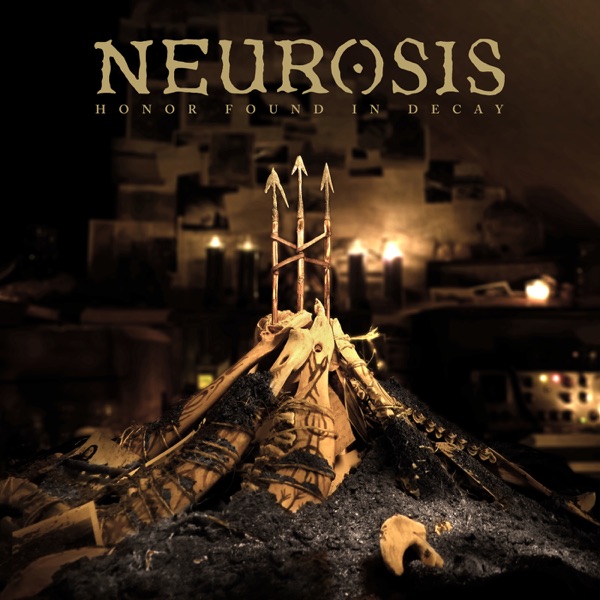
- 2012 Honor Found in Decay
- 2016 Fires Within Fires
- 2026 An Undying Love for a Burning World
Source: MusicBrainz
Deep Dive
Overview
Neurosis is an American post-metal band from Oakland, California, that emerged from the hardcore punk underground in 1985 and evolved into one of the defining forces in post-metal and sludge metal. The band’s trajectory—from crust punk heaviness to ambient-infused, ritualistic sonic architecture—tracks a fundamental shift in how heavy rock could absorb electronic, industrial, and atmospheric textures without surrendering its physical weight. Their work beginning with the 1992 album Souls at Zero established a template for post-metal that prioritized compositional ambition and visual ceremony alongside raw sonic power.
Formation Story
Neurosis coalesced in Oakland in 1985 around the core of guitarist Scott Kelly, bassist Dave Edwardson, and drummer Jason Roeder. The trio began as a crust punk outfit, a genre built on the marriage of punk’s urgency and hardcore’s physical intensity with the pessimistic aesthetics and grinding riffs of doom and death metal. This foundation would persist throughout the band’s catalog as a spine of heaviness and aggression, even as their sonic palette expanded dramatically. Chad Salter joined as a second guitarist and contributed to the band’s 1987 debut, Pain of Mind, which captured the group’s early crust punk identity. Salter’s tenure proved brief; Steve Von Till replaced him in 1989, bringing a different textural sensibility to the band’s guitar work. By 1990, the lineup expanded further to include a keyboardist and a visual artist, signaling an intentional move toward a more expansive and multimedia approach to composition.
Breakthrough Moment
Neurosis’s transformation into a major cultural force crystallized with the 1992 release of Souls at Zero. This third album marked a decisive break from their crust punk origins, incorporating doom metal, industrial, and ambient influences into a sound that was heavier and slower but far more architecturally complex. The shift was immediate and absolute: Souls at Zero demonstrated that the band could sustain ten-minute passages of building tension, layered synthesizers, and field recordings without sacrificing the crushing impact that had defined their early work. The album’s success—both critically and within underground metal and post-rock communities—established Neurosis as more than a regional act and positioned them at the forefront of an emerging post-metal movement that was beginning to reshape heavy music in the early 1990s.
Peak Era
Neurosis’s most artistically fertile and influential period spanned the mid-to-late 1990s and early 2000s. The 1996 album Through Silver in Blood deepened the post-metal blueprint they had sketched on Souls at Zero, expanding compositional scope and incorporating more sophisticated production and orchestration. Times of Grace (1999) and A Sun That Never Sets (2001) consolidated this vision, with each record demonstrating increasing confidence in the band’s ability to move between crushing heaviness and delicate, almost devotional quietude. These records established Neurosis not merely as a heavy band but as ambitious composers working within a post-metal idiom—artists for whom dynamic range, thematic development, and conceptual coherence were as important as distortion and volume.
Musical Style
Neurosis’s sound fuses hardcore punk’s raw energy and direct emotional delivery with doom metal’s extended, riff-based structures and sludge metal’s grinding low-end frequencies. What distinguishes them is their wholesale integration of industrial textures, ambient passages, and synthesizer-driven atmospherics into these heavier frameworks. Their compositions often begin in ambient or field-recorded silence, slowly accumulating layers of guitar, bass, drums, and keyboard until the full weight of the band emerges—a structural approach that recalls classical music’s developmental forms as much as punk’s aesthetic directness. Vocals tend toward raw, unadorned delivery or are used as another textural element rather than as the primary narrative voice. This sonic architecture—the patient building of intensity, the willingness to let songs breathe and develop over extended durations, and the refusal of conventional verse-chorus structures—became a foundational template for post-metal bands that emerged in their wake.
Major Albums
Souls at Zero (1992)
The album that redefined Neurosis and announced post-metal’s arrival, replacing the crust punk directness of their debut and second album with doom-metal weight, industrial textures, and ambient architecture that transformed their sound into something far more ambitious and compositionally sophisticated.
Through Silver in Blood (1996)
A deepening of the post-metal framework, marked by expansive arrangements, intricate layering of guitars and synthesizers, and an increased emphasis on creating immersive, almost ritualistic sonic spaces that moved well beyond conventional heavy rock.
Times of Grace (1999)
One of their most balanced records, demonstrating the band’s mastery of dynamic range and their ability to shift from delicate, almost devotional passages to crushing heaviness within single compositions, establishing them as major figures in the post-metal underground.
A Sun That Never Sets (2001)
A further refinement of their aesthetic, with increased production sophistication and thematic development that solidified Neurosis’s position as thoughtful composers working within the post-metal idiom rather than simply as a heavy band.
Signature Songs
- Through Silver in Blood (1996) — An extended instrumental passage that exemplifies the band’s ability to sustain compositional development over duration without relying on traditional song structures.
- A Sun That Never Sets (2001) — A defining statement of their mature aesthetic, balancing ambient introduction with sustained heavy riffs and emotional intensity.
- Given to the Rising (2007) — Demonstrates the band’s ongoing ability to refresh their sound while maintaining the ritualistic, building intensity that characterizes their approach.
Influence on Rock
Neurosis’s trajectory from hardcore punk to post-metal fundamentally shaped how heavy music could absorb ambient, electronic, and industrial influences while retaining physical power and emotional directness. Their work established post-metal as a legitimate vehicle for artistic ambition within the heavy music world, proving that doom and sludge metal riffs could serve conceptual narratives and compositional sophistication as readily as prog rock. The bands that emerged in their wake—particularly the post-metal and sludge metal movements of the 2000s and beyond—drew directly from their template: the slow building of intensity, the integration of non-traditional heavy-music textures, the multimedia approach to performance and presentation. Neurosis demonstrated that a band rooted in punk’s raw energy could evolve into something genuinely avant-garde without betraying their foundational intensity.
Legacy
Neurosis remains a towering influence on metal, post-rock, and experimental heavy music more than three decades after their formation. Their commitment to artistic evolution—evident in their continued output through releases like Honor Found in Decay (2012) and Fires Within Fires (2016)—has kept them creatively vital rather than calcified into nostalgia. They represent a model of a heavy band that grew more ambitious and more experimental rather than retreating into repetition or pastiche of earlier styles. Their influence extends beyond music; their visual approach to performance and presentation—incorporating live art and multimedia elements—shaped how post-metal and experimental heavy bands conceived of the live experience. The band’s status as a foundational force in post-metal, combined with their ongoing creative work, ensures their place in heavy music’s historical architecture.
Fun Facts
- Neurosis founded Neurot Recordings, their own independent label, allowing them to maintain artistic control and release work by allied bands and artists within their post-metal and experimental communities.
- The band’s 2003 release Neurosis & Jarboe represented a significant collaboration, bringing the former Melvins vocalist and experimental musician into their post-metal framework.
- Oakland’s role as Neurosis’s home base connected them to a broader California experimental and underground music community that included punk, industrial, and electronic scenes.
Discography & Previews
Click any album to expand its track list. Each track plays a 30-second preview streamed from Apple Music. Tap the link icon next to a track to open it in Apple Music for full playback.

- 1 Pain of Mind ↗ 3:06
- 2 Self-Taught Infection ↗ 3:02
- 3 Reasons to Hide ↗ 3:03
- 4 Black ↗ 4:56
- 5 Training ↗ 1:02
- 6 Progress ↗ 1:47
- 7 Stalemate ↗ 2:30
- 8 Bury What's Dead ↗ 2:06
- 9 Geneticide ↗ 2:35
- 10 Ingrown ↗ 2:24
- 11 United Sheep ↗ 3:06
- 12 Dominoes Fall ↗ 3:01
- 13 Life On Your Knees ↗ 2:20
- 14 Grey ↗ 2:39

- 1 To Crawl Under One's Skin ↗ 7:51
- 2 Souls At Zero ↗ 9:19
- 3 Zero ↗ 1:41
- 4 Flight ↗ 4:06
- 5 The Web ↗ 4:55
- 6 Sterile Vision ↗ 6:20
- 7 A Chronology for Survival ↗ 9:34
- 8 Stripped ↗ 8:00
- 9 Takeahnase ↗ 7:57
- 10 Empty ↗ 1:37
- 11 Souls (Demo Version) ↗ 8:28
- 12 Zero (Demo Version) ↗ 1:15
- 13 Cleanse III (Live In London) ↗ 5:39