
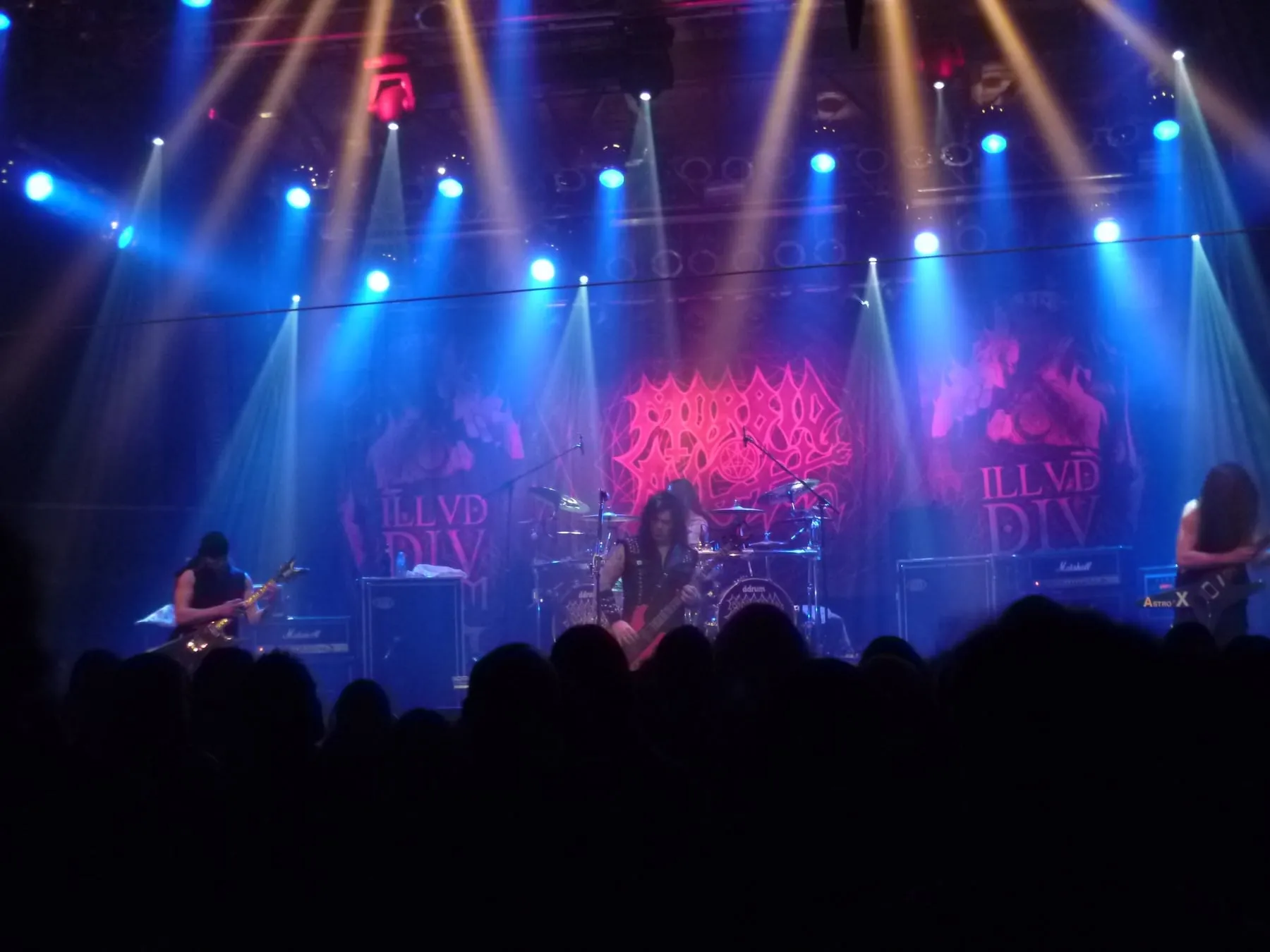
Photo by Gripweed , licensed under CC BY-SA 3.0 · Wikimedia Commons
Rank #252
Morbid Angel
Florida death-metal pillar whose technical bite shaped the form.
From Wikipedia
Morbid Angel is an American death metal band based in Tampa, Florida, formed in 1983 by guitarist, primary composer and sole remaining original member Trey Azagthoth, vocalist and bassist Dallas Ward, and drummer Mike Browning. It was one of the first bands to incorporate guttural vocals, up-tempo blast beats, multiple tempo changes and a dark atmosphere. Morbid Angel was also the first death metal band to experience mainstream success in connection with being signed to Giant Records in 1992, heavy rotation of its music videos on MTV, and having the music video for the song "God of Emptiness" shown on an episode of Beavis and Butt-Head. The band's first three albums – Altars of Madness (1989), Blessed Are the Sick (1991), and Covenant (1993) – are considered classics in the death metal genre.
Members
- David Vincent (?–2015)
Studio Albums
- 1989 Altars of Madness
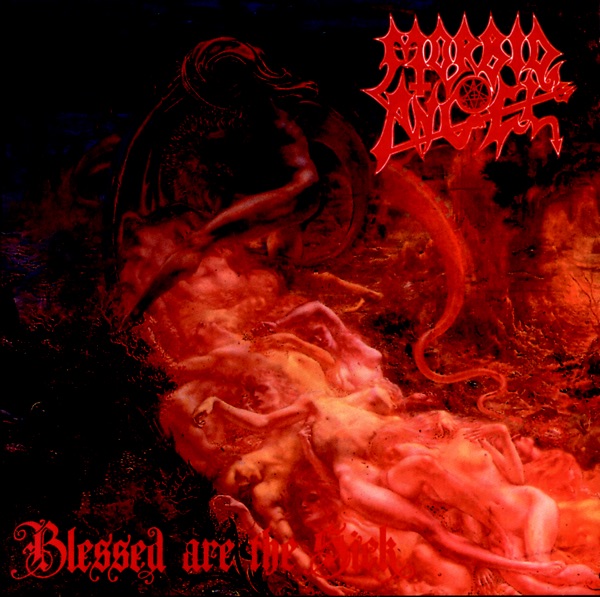
- 1991 Blessed Are the Sick
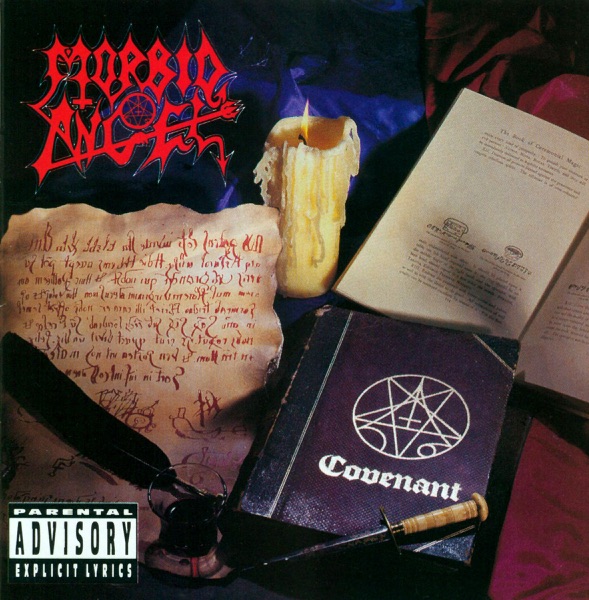
- 1993 Covenant
- 1994 Harmony Dies, Vol. 1
- 1995 Domination
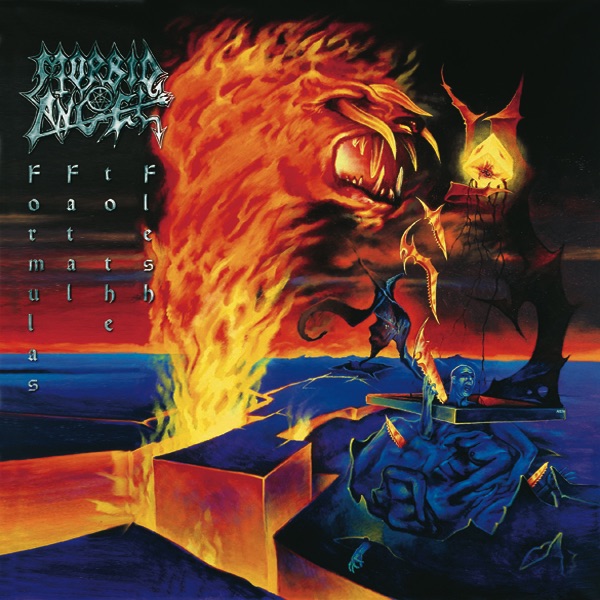
- 1998 Formulas Fatal to the Flesh
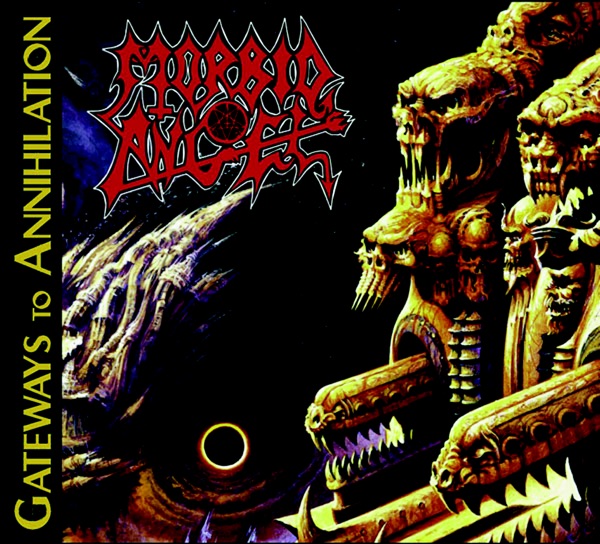
- 2000 Gateways to Annihilation
- 2003 Winter Sampler ’03
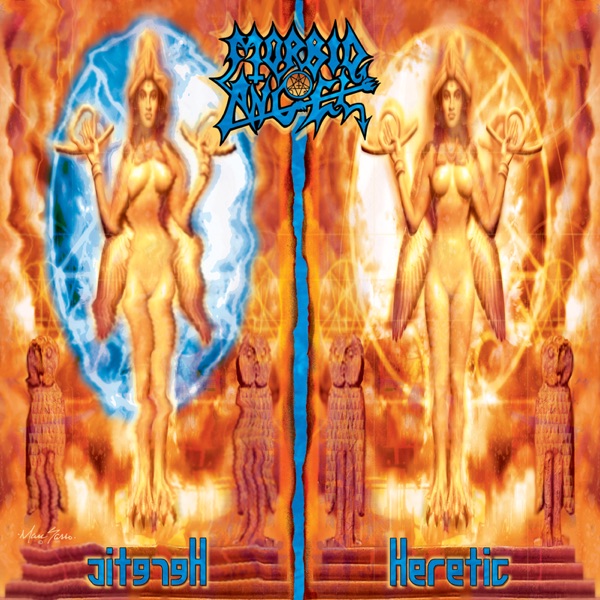
- 2003 Heretic
- 2011 Illud Divinum Insanus
- 2017 Kingdoms Disdained
Source: MusicBrainz
Deep Dive
Overview
Morbid Angel stands as one of the foundational architects of death metal. Formed in Tampa, Florida in 1983, the band pushed the genre from underground curiosity toward mainstream recognition in the early 1990s, achieving what few death metal bands have managed: heavy MTV rotation, major-label backing, and cultural penetration beyond the devoted fanbase. Their technical precision, atmospheric darkness, and willingness to explore both brutality and complexity established a template that defined death metal for generations to come.
Formation Story
Morbid Angel emerged from Tampa’s underground metal scene when guitarist Trey Azagthoth, bassist and vocalist Dallas Ward, and drummer Mike Browning coalesced around a shared vision of extreme heaviness. Azagthoth would remain the band’s primary composer and sole surviving original member across the decades. The early Tampa scene lacked the East Coast thrash pedigree of New York or the West Coast’s emerging crossover movement, leaving Morbid Angel to forge their own identity in relative isolation. This geographic distance from major metal centers paradoxically freed them to develop a distinct sonic philosophy rooted in speed, dissonance, and what would become signature death metal vocal techniques.
Breakthrough Moment
Morbid Angel’s 1989 debut album Altars of Madness arrived at a pivotal moment for extreme metal. While thrash had proved that speed could coexist with popularity, Altars took a darker, more technical turn—introducing audiences to tremolo-picked riffs, blast-beat drumming, and the guttural vocals that would become death metal’s defining vocal aesthetic. The album quickly became a blueprint within underground circles. Two years later, Blessed Are the Sick (1991) deepened that foundation, and by 1993’s Covenant, the band’s craft and reputation were secure enough to attract the attention of Giant Records in 1992. This major-label move proved transformative: MTV placed Morbid Angel’s “God of Emptiness” video into heavy rotation, a previously unthinkable achievement for a death metal band. The same track appeared on an episode of Beavis and Butt-Head, exposing millions of casual viewers to music they had never encountered before.
Peak Era
The early 1990s represented Morbid Angel’s creative and commercial peak. Altars of Madness, Blessed Are the Sick, and Covenant form a trilogy that both critics and fans consider death metal classics. Between 1989 and 1993, the band refined their approach to riff construction, tempo variation, and production clarity, moving from raw brutality toward a more controlled yet no less intense vision. Covenant in particular demonstrated compositional maturity—the album balanced accessibility with uncompromising extremity, making it the logical culmination of their early period. The band’s ability to tour extensively and maintain visibility during this window, coupled with MTV’s unexpected embrace of their videos, cemented their status as death metal’s mainstream foothold.
Musical Style
Morbid Angel’s sound combined tremolo-picked guitar riffs with the precision drumming required to execute blast beats and complex rhythmic patterns. Azagthoth’s compositions favored multiple tempo changes within single songs, preventing the music from settling into predictable grooves. This complexity distinguished them from thrash metal’s more straightforward verse-chorus structures. Vocally, David Vincent pioneered the use of guttural, near-unintelligible growls that became synonymous with death metal itself—a technique that influenced countless bands in the genre’s wake. The band’s production aesthetic, even on their earliest recordings, favored clarity over lo-fi murk, allowing listeners to parse the individual instrumental lines despite the overall heaviness. This technical approach reflected death metal’s gradual emergence as a thinking person’s extreme music—fast, complex, and unafraid of dissonance, yet constructed with classical music’s attention to composition and arrangement.
Major Albums
Altars of Madness (1989)
The debut album that essentially codified death metal’s sonic and aesthetic template. Its combination of tremolo-picked riffs, blast beats, guttural vocals, and dark atmosphere established a prototype that would influence the entire genre.
Blessed Are the Sick (1991)
Refined the debut’s formula while adding greater compositional ambition and production polish. The album deepened Morbid Angel’s technical approach and demonstrated their willingness to explore longer song structures and atmospheric interludes.
Covenant (1993)
Often cited as the band’s masterpiece, Covenant balanced commercial accessibility with uncompromising extremity. Its mainstream exposure, including the MTV-rotated “God of Emptiness,” made it death metal’s most visible statement to that point.
Domination (1995)
Released in the band’s declining major-label era, Domination continued their technical explorations while navigating the shifting landscape of 1990s metal. The album maintained their craft despite the commercial landscape turning away from extreme music.
Gateways to Annihilation (2000)
A return to form after the late-1990s period, Gateways reaffirmed Morbid Angel’s commitment to technical death metal’s core principles during a time when many bands had moved toward different extremities.
Signature Songs
- “God of Emptiness” — The band’s signature MTV moment and death metal’s most recognizable mainstream appearance, defining their crossover appeal.
- “Blessed Are the Sick” — Title track that exemplifies their ability to balance atmospherics with technical precision and vocalist David Vincent’s distinctive growl.
- “Dominate” — A showcase for Trey Azagthoth’s riff construction and the band’s rhythmic complexity.
- “Covenant of Death” — Demonstrates the compositional maturity that made Covenant a genre landmark.
Influence on Rock
Morbid Angel’s technical approach to death metal established a lineage distinct from the band’s equally important peers. Where some death metal bands emphasized atmosphere and melody, Morbid Angel prioritized complexity and precision—a stance that influenced technical death metal’s subsequent development. Bands that followed, from Cryptopsy to Spawn of Possession, drew directly from Azagthoth’s compositional framework. Beyond death metal, their MTV presence legitimized extreme metal as commercially viable in ways that influenced the broader metal landscape of the 1990s. They demonstrated that bands could maintain artistic uncompromise while achieving mainstream visibility, a lesson absorbed by numerous metal acts attempting crossover success. Their guttural vocal approach, codified through Vincent’s work, became a fundamental element of not just death metal but extreme music across multiple subgenres.
Legacy
Morbid Angel’s status as death metal pioneers remains secure nearly four decades after their formation. The band continued recording into the 2010s and beyond, releasing albums such as Illud Divinum Insanus (2011) and Kingdoms Disdained (2017). While their commercial peak passed after the 1990s, their early discography maintains canonical status within metal circles—Altars of Madness, Blessed Are the Sick, and Covenant consistently appear on death metal best-of lists and remain essential listening for anyone exploring extreme music’s foundations. Their achievement of mainstream MTV rotation during death metal’s underground period represents a unique moment in rock history. Trey Azagthoth’s continued involvement with the band underscores Morbid Angel’s endurance, and the catalog’s streaming availability ensures new generations encounter their work. As one of death metal’s first bands to codify both the sonic and visual language of the genre, Morbid Angel remains foundational to any serious study of 1990s metal culture.
Fun Facts
- Morbid Angel was one of the first death metal bands to incorporate guttural vocals and blast beats, establishing techniques that became fundamental to the genre’s identity.
- The band achieved the distinction of being the first death metal act to secure mainstream success through a major record label deal with Giant Records in 1992, alongside MTV rotation and crossover media appearances.
- “God of Emptiness” not only received heavy MTV rotation but was featured on an episode of Beavis and Butt-Head, exposing the band’s music to audiences far beyond metal fandom.
- The band’s 1983 formation date in Tampa, Florida established the city as a second pillar of death metal creativity alongside Florida’s other major scenes.
Discography & Previews
Click any album to expand its track list. Each track plays a 30-second preview streamed from Apple Music. Tap the link icon next to a track to open it in Apple Music for full playback.

- 1 Intro ↗ 1:27
- 2 Fall from Grace ↗ 5:13
- 3 Brainstorm ↗ 2:35
- 4 Rebel Lands ↗ 2:41
- 5 Doomsday Celebration ↗ 1:49
- 6 Day of Suffering ↗ 1:55
- 7 Blessed Are the Sick / Leading the Rats ↗ 4:47
- 8 Thy Kingdom Come ↗ 3:25
- 9 Unholy Blasphemies ↗ 2:10
- 10 Abominations ↗ 4:27
- 11 Desolate Ways ↗ 1:41
- 12 The Ancient Ones ↗ 5:53
- 13 In Remembrance ↗ 1:25

- 1 Heaving Earth ↗ 3:54
- 2 Prayer of Hatred ↗ 4:29
- 3 Bil Ur-Sag ↗ 2:30
- 4 Nothing Is Not ↗ 4:44
- 5 Chambers of Dis ↗ 3:30
- 6 Disturbance in the Great Slumber ↗ 2:32
- 7 Umulamahri ↗ 4:34
- 8 Hellspawn: The Rebirth ↗ 2:43
- 9 Covenant of Death ↗ 6:08
- 10 Hymn to a Gas Giant ↗ 1:04
- 11 Invocation of the Continual One ↗ 9:47
- 12 Ascent Through the Spheres ↗ 2:02
- 13 Hymnos Rituales de Guerra ↗ 2:43
- 14 Trooper ↗ 0:56
- 1 Cleansed In Pestilence (Blade of Elohim) ↗ 4:36
- 2 Enshrined By Grace ↗ 4:28
- 3 Beneath the Hollow ↗ 4:21
- 4 Curse the Flesh ↗ 3:36
- 5 Praise the Strenght ↗ 5:16
- 6 Stricken Arise ↗ 4:10
- 7 Place of Many Death ↗ 4:14
- 8 Abyssous ↗ 1:31
- 9 God of Our Own Divinity ↗ 6:21
- 10 Within Thy Enemy ↗ 3:17
- 11 Memories of the Past ↗ 3:18
- 12 Victorious March of Reign the Conqueror ↗ 2:37
- 13 Drum Check ↗ 2:52
- 14 Born Again ↗ 2:35


- 1 Piles of Little Arms ↗ 3:44
- 2 D.E.A.D ↗ 3:00
- 3 Garden of Disdain ↗ 4:25
- 4 The Righteous Voice ↗ 5:03
- 5 Architect and Iconoclast ↗ 5:44
- 6 Paradigms Warped ↗ 3:59
- 7 The Pillars Crumbling ↗ 5:06
- 8 For No Master ↗ 3:28
- 9 Declaring New Law (Secret Hell) ↗ 4:21
- 10 From the Hand of Kings ↗ 4:02
- 11 The Fall of Idols ↗ 4:49