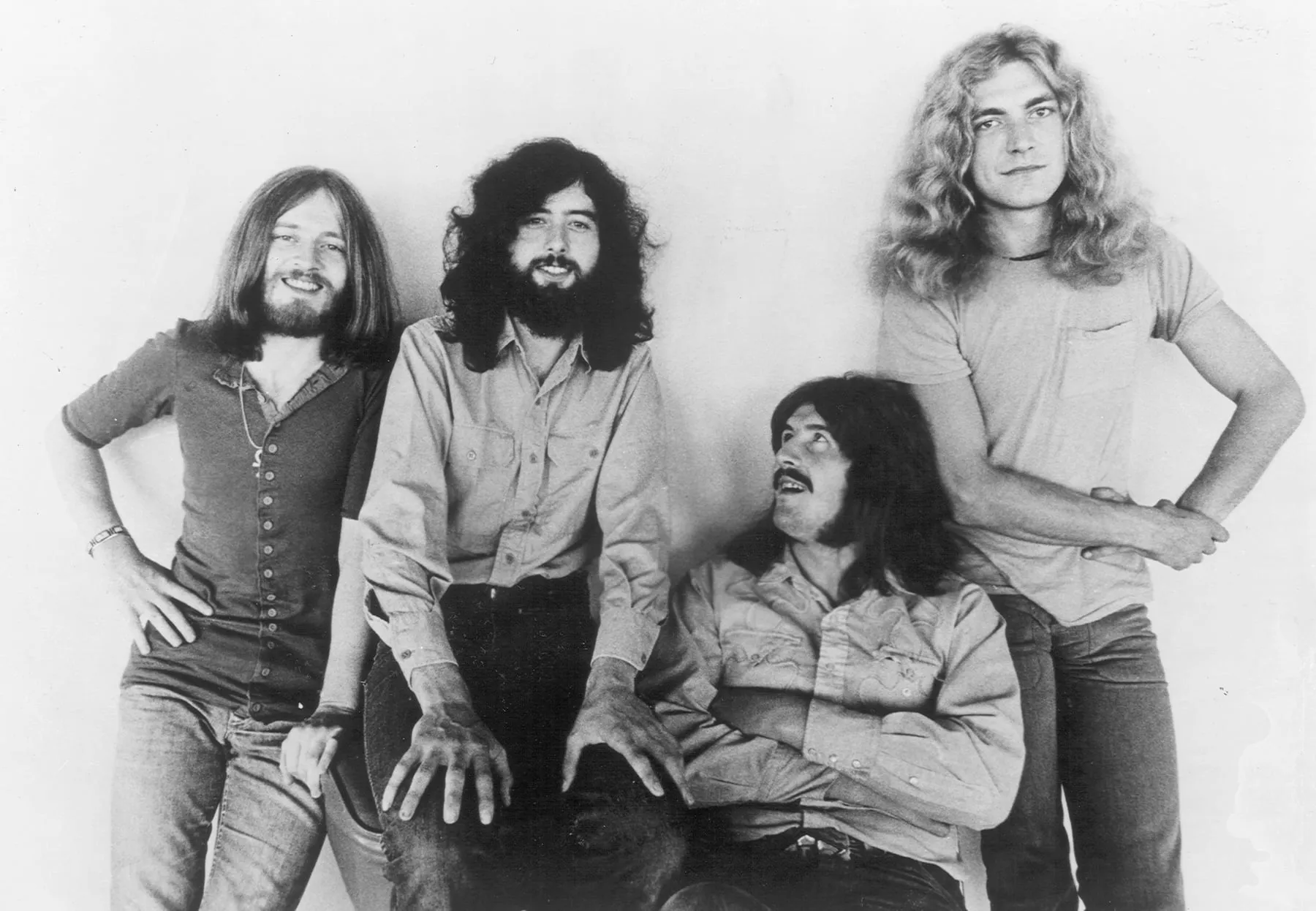
Photo by Atlantic Records , licensed under Public domain · Wikimedia Commons
Rank #2
Led Zeppelin
Pioneers of hard rock and heavy metal whose sound defined a decade.
From Wikipedia
Led Zeppelin were an English rock band formed in London in 1968. The band comprised vocalist Robert Plant, guitarist Jimmy Page, bassist-keyboardist John Paul Jones and drummer John Bonham. With a heavy, guitar-driven sound and drawing from influences including blues and folk music, Led Zeppelin are cited as a progenitor of hard rock and heavy metal. Among the best-selling music artists of all time, they influenced the music industry, particularly in the development of album-oriented rock and stadium rock.
Members
- Jimmy Page
- John Bonham
- John Paul Jones
- Robert Plant
Studio Albums
- 1969 Led Zeppelin
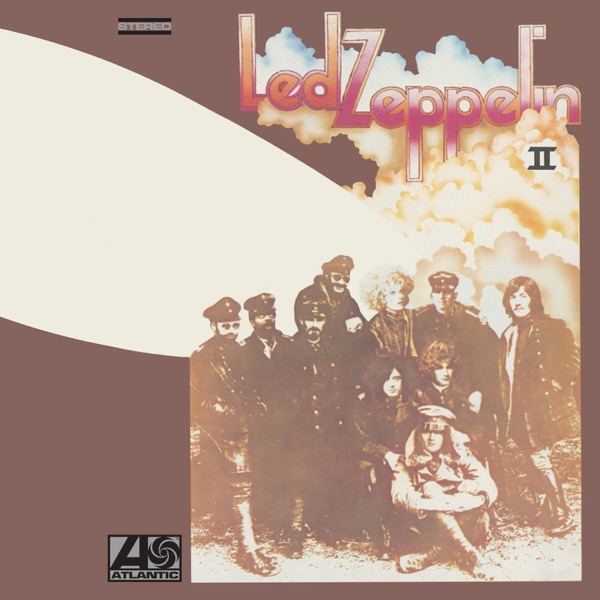
- 1969 Led Zeppelin II
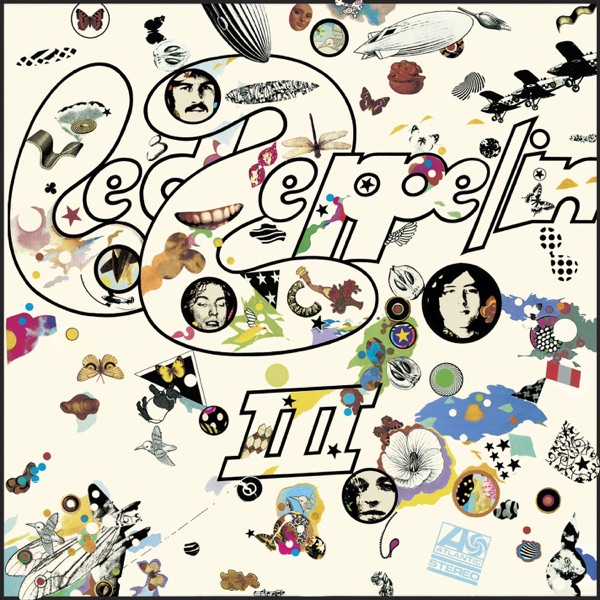
- 1970 Led Zeppelin III
- 1971 [Led Zeppelin IV]
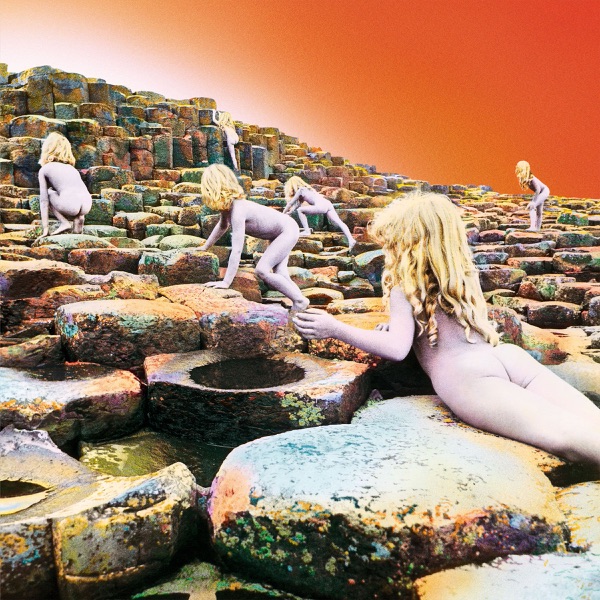
- 1973 Houses of the Holy
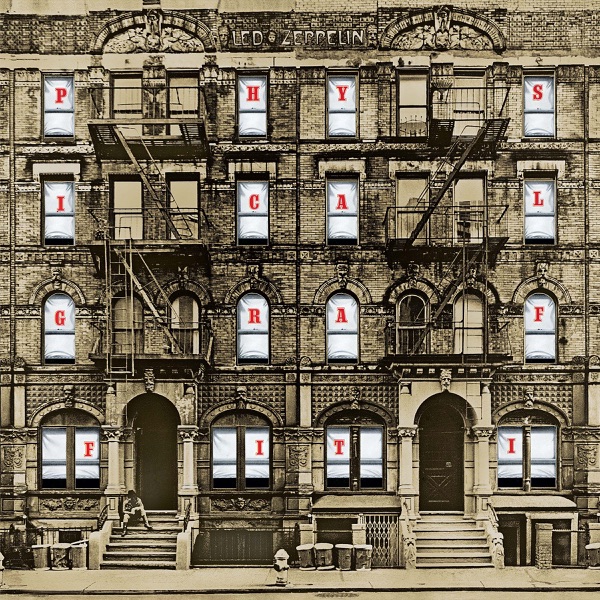
- 1975 Physical Graffiti
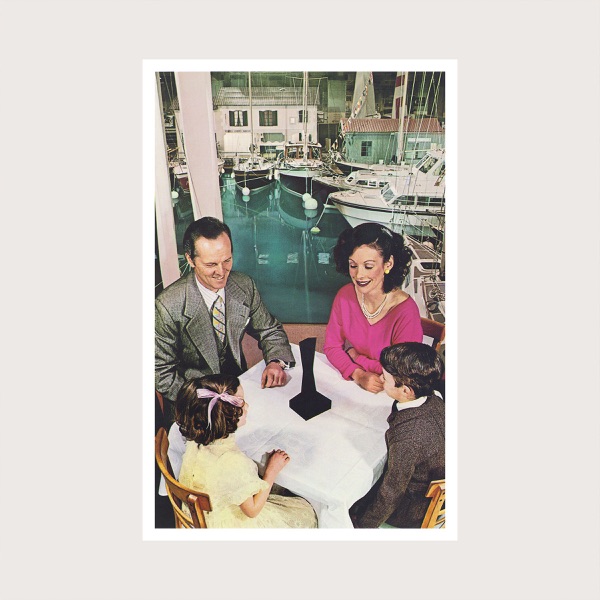
- 1976 Presence
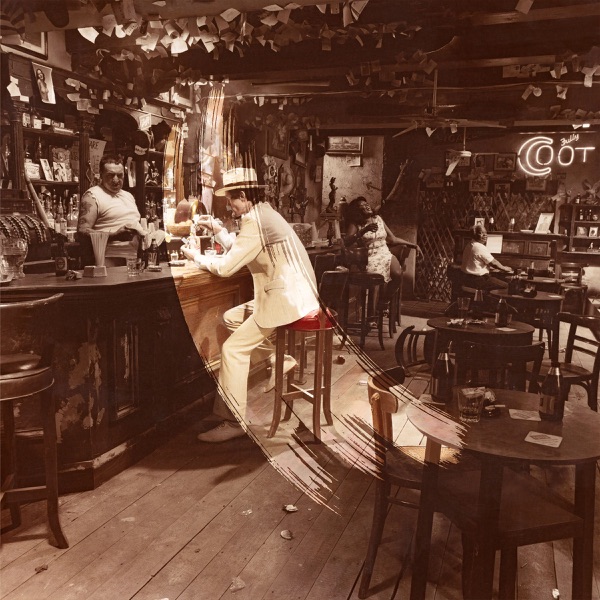
- 1979 In Through the Out Door
- 1982 Coda
- 1998 Rock Report Led Zeppelin Stairway to Heaven
- 2003 Interview Disc 2003
- 2004 The Lost Sessions, Vol. 4
- 2005 The Lost Sessions, Vol. 5
- 2005 The Lost Sessions, Vol. 8
- 2007 The Lost Sessions, Vol. 10: All Roads Lead to Headley Grange II
- 2008 The Lost Sessions, Vol. 12: All Roads Lead to Headley Grange III
- 2012 Led Zeppelin II Multi Track Mixdowns
- — Totally Tangible
Source: MusicBrainz
Deep Dive
Overview
Led Zeppelin were an English rock band formed in London in 1968 that became one of the defining forces in hard rock and heavy metal music. The group’s combination of heavy, guitar-driven sound with influences drawn from blues and folk created a template that influenced the music industry for decades to come. With Robert Plant as vocalist, Jimmy Page as guitarist, John Paul Jones as bassist and keyboardist, and John Bonham on drums, Led Zeppelin amassed sales that placed them among the best-selling music artists of all time. Their twelve-year existence, ending in 1980, marked one of rock music’s most productive and commercially dominant periods.
Formation Story
Jimmy Page, already an accomplished session guitarist and member of The Yardbirds, assembled Led Zeppelin in London during 1968. Page recruited Robert Plant as vocalist, John Paul Jones as bassist and keyboardist, and John Bonham as drummer. The four musicians shared a deep connection to blues music and folk traditions, elements that would become foundational to their approach. Their formation came at a moment when rock music was beginning to expand beyond the three-minute single format, creating space for bands to explore longer, heavier, and more ambitious arrangements.
Breakthrough Moment
Led Zeppelin’s self-titled debut album arrived in 1969 to immediate attention, establishing the band’s signature sound and setting the stage for their rapid ascent. The album’s success was followed swiftly by Led Zeppelin II, also released in 1969, which solidified their presence in rock music. These two releases demonstrated that the band could sustain commercial momentum while exploring increasingly complex compositions and production techniques. By the end of their first year as a band, Led Zeppelin had established themselves as a major force in contemporary rock.
Peak Era
The period from 1970 through 1975 represented Led Zeppelin’s most creative and commercially dominant stretch. Led Zeppelin III (1970) expanded their sound to include folk influences and acoustic arrangements alongside their electric foundations. Led Zeppelin IV (1971) deepened their exploration of mythology, mysticism, and diverse musical styles, becoming one of the most significant rock albums of the decade. Houses of the Holy (1973) continued their evolution, introducing funk and reggae influences into their heavy blues-rock framework. Physical Graffiti (1975) represented a sprawling double album that showcased the band’s range across multiple musical territories. During these years, Led Zeppelin defined not only their own aesthetic but also shaped the broader landscape of album-oriented rock and stadium rock as commercial and artistic phenomena.
Musical Style
Led Zeppelin’s sound was built on a foundation of blues and folk music filtered through a contemporary rock sensibility. Jimmy Page’s guitar work emphasized thick, distorted tones and innovative production techniques, moving beyond traditional blues guitar phrasing to create atmospheric and heavily layered soundscapes. Robert Plant’s vocals ranged from raw, blues-inflected wails to more nuanced and introspective delivery depending on the song’s requirements. John Paul Jones added textural depth through both bass playing and keyboard arrangements, contributing to the band’s harmonic sophistication. John Bonham’s drumming was characterized by powerful, driving rhythms and complex patterns that moved beyond standard rock timekeeping. The band’s songwriting incorporated extended instrumental passages, dynamic shifts between soft acoustic sections and explosive electric segments, and an incorporation of non-Western musical elements. This combination created a sound that was both rooted in blues tradition and avant-garde in its exploration of new sonic possibilities.
Major Albums
Led Zeppelin II (1969)
Released only months after their debut, Led Zeppelin II demonstrated that the band’s initial success was not a one-off achievement. The album refined their blues-rock formula with increasingly confident arrangements and tighter performances. Its rapid release and warm reception established Led Zeppelin as a band capable of sustaining momentum and commercial interest.
Led Zeppelin IV (1971)
This album became a defining statement of the band’s artistic ambition and commercial power. Led Zeppelin IV showcased a wider stylistic range than previous efforts, incorporating folk instruments, mythological themes, and more intricate compositional structures. The album’s elaborate packaging and mysterious presentation reinforced the band’s cultivation of mystique and artistic seriousness.
Houses of the Holy (1973)
Houses of the Holy demonstrated Led Zeppelin’s willingness to incorporate diverse musical influences—funk, reggae, and world music elements—into their established hard rock foundation. The album’s variety and production sophistication marked a new chapter in their artistic evolution, proving they could expand their sound without losing the heavy, powerful character that defined them.
Physical Graffiti (1975)
As a double album, Physical Graffiti functioned as a retrospective and forward-looking statement simultaneously. The release contained both newly recorded material and previously unreleased tracks, offering a comprehensive view of the band’s creative range. Its ambition and scope cemented Led Zeppelin’s status as the preeminent rock band of the mid-1970s.
Signature Songs
Led Zeppelin’s catalog contained numerous songs that became definitive statements of the band’s artistic identity and commercial appeal. Their extensive studio recordings across nine studio albums between 1969 and 1979 created a deep repertoire of material that fans and critics continue to engage with decades later.
Influence on Rock
Led Zeppelin’s impact on rock music and the broader music industry was profound and multifaceted. They pioneered the concept of album-oriented rock, demonstrating that rock bands could sustain listener interest through extended, multi-part compositions and thematically coherent album presentations. Their success established the template for stadium rock as both an aesthetic and commercial phenomenon, showing that rock music could command the largest venues and achieve massive sales figures. Hard rock and heavy metal as subsequent genres drew directly from Led Zeppelin’s sonic approach and their integration of blues and folk elements into a heavy, guitar-forward sound. Their influence extended across generations of musicians who looked to their catalog as a model for ambitious, artistically serious rock music.
Legacy
Led Zeppelin disbanded in 1980 following John Bonham’s death, marking the end of an era in rock music. The band’s commercial presence has remained substantial in the decades since their dissolution, with their studio catalog continuing to sell and stream consistently. Their influence on hard rock, heavy metal, and stadium rock remains visible in countless contemporary bands. Led Zeppelin’s recordings have undergone numerous reissues and compilations, including archival releases of previously unreleased material and multi-track recordings from their recording sessions. Their status as one of the best-selling music artists of all time has only grown with subsequent decades, and their original studio albums from 1969 to 1979 remain central to any understanding of 1970s rock music.
Fun Facts
- The band’s self-titled debut arrived in 1969 with such impact that they released a second album, Led Zeppelin II, within the same year, an unusually rapid release schedule even by the prolific standards of the era.
- Led Zeppelin IV (1971) was released without the band’s name on the cover or label, a bold artistic decision that contrasted sharply with industry convention and reinforced their reputation for mystique.
- The band’s recordings were issued across multiple record labels including Decca, Atlantic Records, and their own imprint, Swan Song Records, demonstrating their growing independence and control over their commercial output.
- John Bonham’s drumming on tracks from their studio catalog established him as one of the most influential and imitated drummers in rock history.
- The band’s twelve-year existence produced nine studio albums before their 1980 dissolution, a relatively focused discography compared to many of their contemporaries, contributing to the cohesion of their legacy.
Discography & Previews
Click any album to expand its track list. Each track plays a 30-second preview streamed from Apple Music. Tap the link icon next to a track to open it in Apple Music for full playback.

- 1 Custard Pie ↗ 4:16
- 2 The Rover ↗ 5:39
- 3 In My Time of Dying ↗ 11:08
- 4 Houses of the Holy ↗ 4:05
- 5 Trampled Under Foot ↗ 5:37
- 6 Kashmir ↗ 8:37
- 7 In the Light ↗ 8:48
- 8 Bron-Yr-Aur ↗ 2:07
- 9 Down By the Seaside ↗ 5:16
- 10 Ten Years Gone ↗ 6:35
- 11 Night Flight ↗ 3:38
- 12 The Wanton Song ↗ 4:09
- 13 Boogie With Stu ↗ 3:53
- 14 Black Country Woman ↗ 4:25
- 15 Sick Again ↗ 4:42