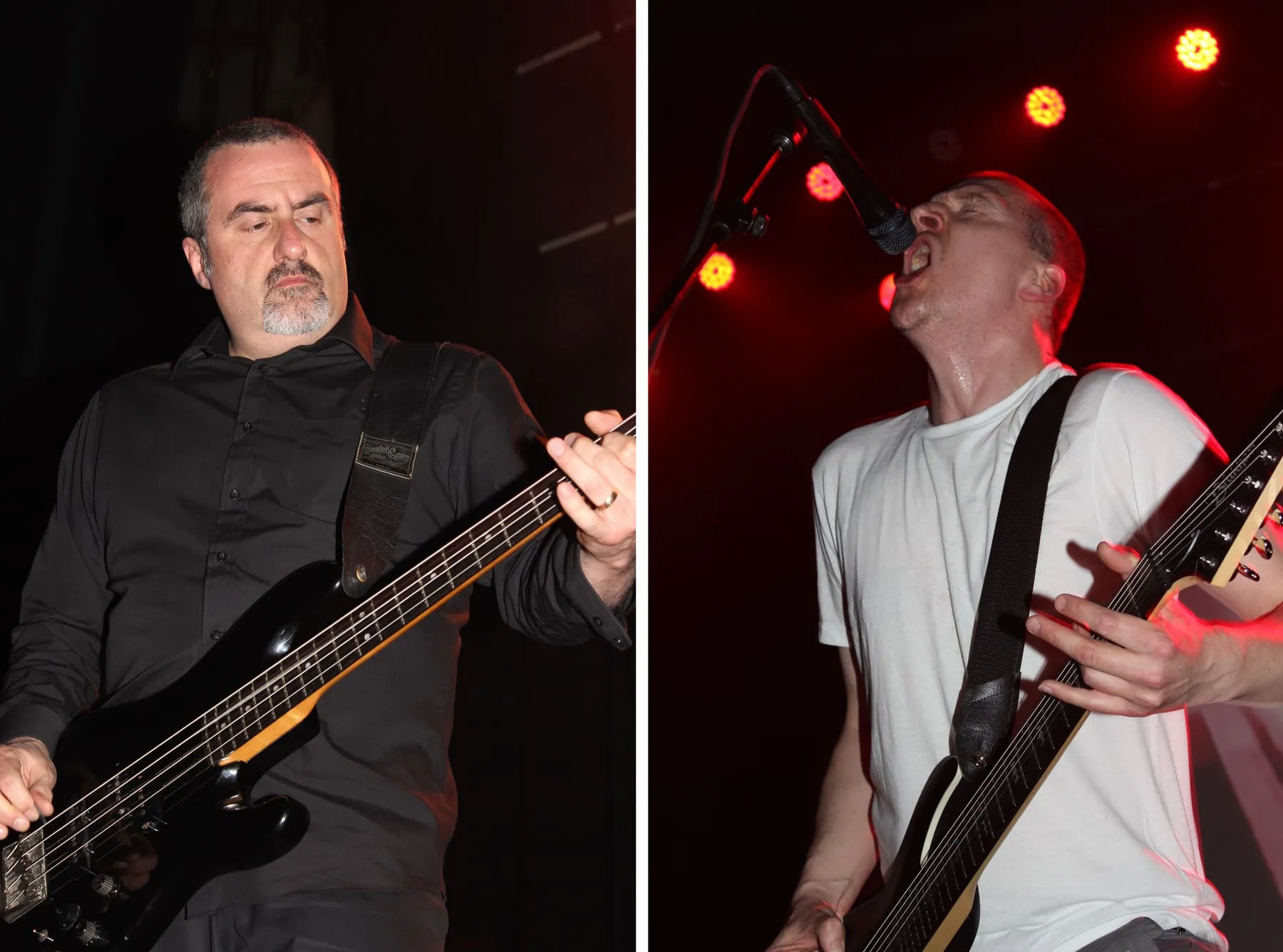
Photo by Dan Rawe , licensed under CC BY-SA 2.0 · Wikimedia Commons
Rank #198
Godflesh
Justin Broadrick's Birmingham project that helped birth industrial metal.
From Wikipedia
Godflesh are an English industrial metal band from Birmingham, formed in 1988 by Justin Broadrick and B. C. Green. Before forming Godflesh, the pair worked together in Fall of Because, a band that began in 1982 as O.P.D. and helped lay the groundwork for Godflesh’s formation. Through their fusion of hip hop–derived drum programming, metal riffs, and industrial dissonance, later exploring electronic and dub elements, Godflesh developed a sound widely recognized as foundational to industrial metal and post-metal, and influential across experimental and extreme metal.
Members
- G. C. Green (1988–present)
- Justin Broadrick (1988–present)
- Paul Neville (1989–1991)
- Robert Hampson (1991–1992)
- Bryan Mantia (1994–1996)
- Ted Parsons (1997–2002)
Studio Albums
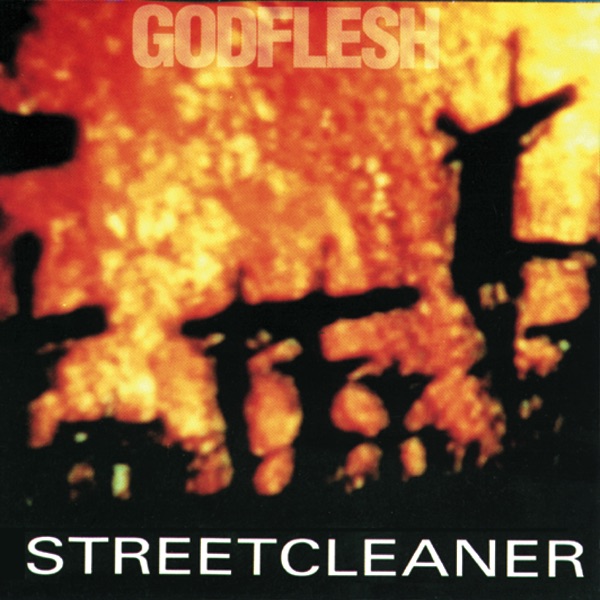
- 1989 Streetcleaner
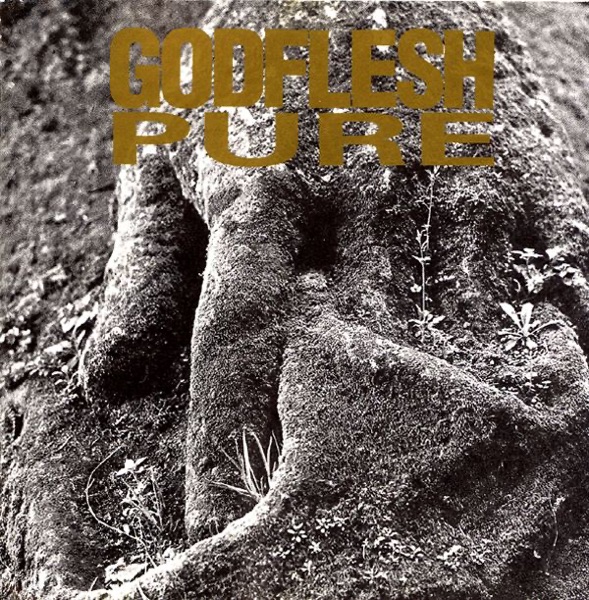
- 1992 Pure
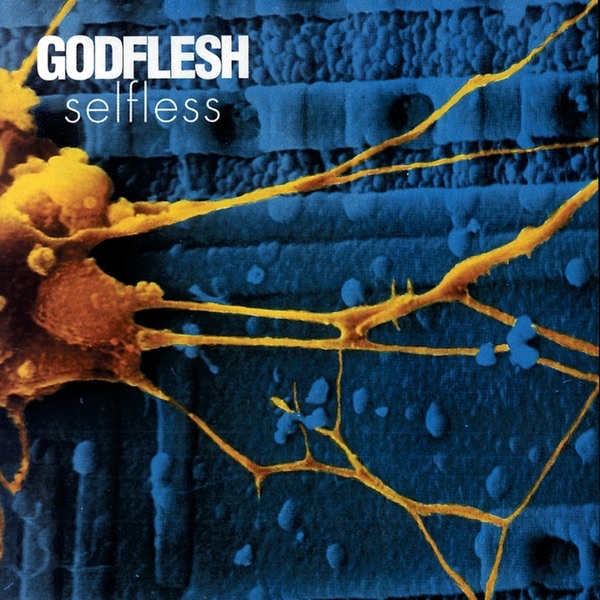
- 1994 Selfless
- 1996 Songs of Love and Hate
- 1999 Us and Them
- 2001 Hymns
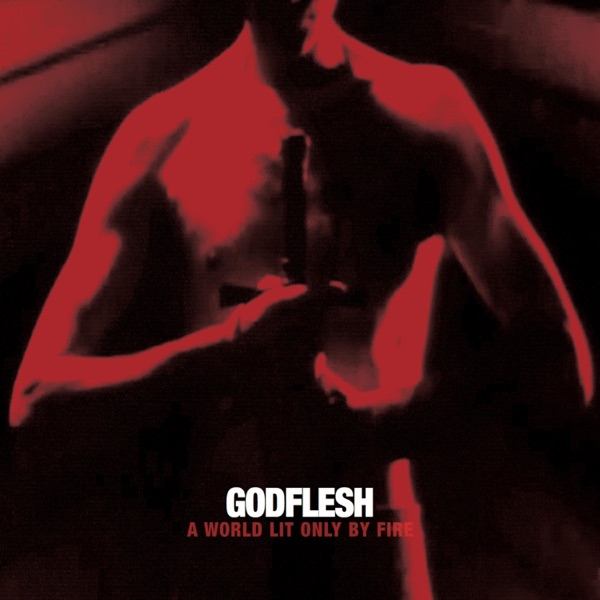
- 2014 A World Lit Only by Fire
- 2017 Post Self
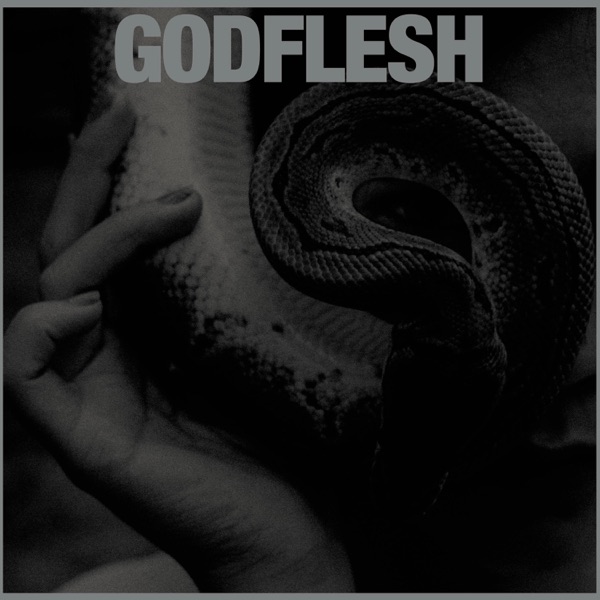
- 2023 Purge
Source: MusicBrainz
Deep Dive
Overview
Godflesh are an English industrial metal band from Birmingham whose formation in 1988 marked the beginning of one of metal’s most uncompromising and sonically experimental trajectories. Led by Justin Broadrick and G. C. Green, the band synthesized hip hop–derived drum programming, dense metal riffs, and industrial dissonance into a sound that became foundational to industrial metal and post-metal. Over more than three decades, Godflesh have remained committed to a vision that refuses easy categorization, blending elements of sludge metal, electronic music, and dub into a bruising, machine-driven aesthetic that influenced countless experimentalists and extreme metal acts in their wake.
Formation Story
Godflesh’s lineage traces back to 1982, when Justin Broadrick and B. C. Green (known as G. C. Green in later credits) began collaborating in a project that evolved from O.P.D. into Fall of Because. This earlier outfit provided the creative partnership and conceptual foundation upon which Godflesh would be built. In 1988, Broadrick and Green formally established Godflesh as their primary vehicle, with the specific aim of creating something that rejected the conventions of both contemporary metal and industrial music. The Birmingham setting placed them outside London’s more visible music infrastructure, a geographic remove that allowed them to develop their distinctive sound with less immediate commercial pressure.
Breakthrough Moment
Godflesh’s 1989 debut Streetcleaner arrived as a fully realized statement. The album fused mechanical drum machines with grinding, distorted guitar work and Broadrick’s harsh vocal delivery, creating a sound that was neither quite metal nor quite industrial but something altogether more abrasive. The album’s impact was felt primarily within underground and experimental circles, but it established Godflesh as a serious artistic force. This debut set the template for their approach: brutalist production, repetitive rhythmic structures derived from electronic music, and an unrelenting sonic density that rejected conventional song structures. The album’s credibility within both metal and experimental music communities ensured that Godflesh would be taken seriously as the decade progressed.
Peak Era
The 1990s represented Godflesh’s most creatively expansive and influential period. Pure (1992) deepened their exploration of industrial metal’s vocabulary, while Selfless (1994) saw the addition of drummer Bryan Mantia (1994–1996), whose background in avant-garde and experimental music brought new technical possibilities to the band’s sound. Songs of Love and Hate (1996) continued this trajectory of refinement, with the band incorporating more pronounced electronic and dub influences into their industrial-metal framework. This era witnessed Godflesh moving from cult recognition toward broader acknowledgment within metal and experimental music institutions. Ted Parsons joined as a drummer during the latter part of this period (1997–2002), further solidifying the live and studio lineup. By the late 1990s, with Us and Them (1999) and Hymns (2001), Godflesh had established themselves as architects of a distinctive post-metal sound that influenced emerging bands in sludge, doom, and experimental metal.
Musical Style
Godflesh’s sound is characterized by the collision of programmed percussion with organic guitar distortion, a combination that creates an uncanny tension between mechanical precision and human rawness. Justin Broadrick’s guitar work emphasizes sustain, distortion, and repetitive phrase structures rather than melody or conventional soloing. Drum machines dominate the rhythm section, often set to relentless, hypnotic patterns borrowed from industrial and hip hop music, though live drummers have brought dynamic variation to recordings. Broadrick’s vocals are typically sparse and processed, delivered with an understated intensity that prioritizes texture over emotional expression. The production aesthetic throughout their discography privileges a thick, compressed sound that flattens dynamics and emphasizes the industrial character of the compositions. Lyrically and thematically, Godflesh have consistently engaged with dystopian and introspective material, reflecting the alienation and mechanical nature of their sonic approach.
Major Albums
Streetcleaner (1989)
Godflesh’s debut established the template for industrial metal: a fusion of processed drums, dense guitar distortion, and Broadrick’s flat affect vocals that rejected any attempt at accessibility or conventional appeal.
Pure (1992)
The band’s second album deepened their command of contrast and repetition, with darker production values and more pronounced use of dub and electronic textures layered beneath the metal framework.
Selfless (1994)
With Bryan Mantia’s addition on drums, this album showcased expanded rhythmic possibilities and a more dynamic approach to production while maintaining the band’s uncompromising artistic vision.
Songs of Love and Hate (1996)
This album represented Godflesh’s most mature period of the 1990s, integrating dub basslines, electronic processing, and a more expansive sonic palette without diluting their essential brutalist aesthetic.
Us and Them (1999)
Reflecting a band at the height of their creative confidence, this album consolidated the lessons of the previous decade while pushing toward greater electronic integration and experimental arrangement.
A World Lit Only by Fire (2014)
After a period of reduced activity, this album marked a return to recording that demonstrated Godflesh’s undiminished commitment to their core sound while incorporating contemporary production techniques.
Signature Songs
- Streetcleaner — The opening track and title piece that introduced their industrial-metal template to the world.
- A Pale Sketch of You — A standout from Pure that demonstrated their capacity for dark, distorted atmosphere.
- Tiny World — From Selfless, showcasing the band’s ability to build tension through repetition and mechanical precision.
- Lift — A signature piece from the Us and Them era that highlighted their dub-influenced approach.
Influence on Rock
Godflesh’s influence on metal and experimental music extended far beyond their immediate commercial reach. Their synthesis of industrial production techniques with metal’s aggression provided a template that subsequent post-metal and sludge metal bands would explore throughout the 1990s and 2000s. Bands emerging from experimental metal, doom, and industrial contexts have consistently cited Godflesh’s foundational role in proving that extreme music need not follow conventional metal songwriting or performance paradigms. The band’s commitment to drum programming as a compositional tool rather than a limitation influenced how experimental metal bands approached rhythm and texture. Their integration of dub and electronic elements into a metal context presaged the broader experimental metal movement that would emerge more prominently in the 2000s.
Legacy
Godflesh’s continued activity into the 2020s—with releases including Post Self (2017) and Purge (2023)—demonstrates their unwavering artistic commitment across more than three decades. The band has maintained their position as a serious and uncompromising force within extreme and experimental music, never capitulating to commercial trends or softening their aesthetic. Their presence on contemporary streaming platforms ensures that new audiences discover their foundational recordings, while their ongoing recording activity keeps them relevant within active metal discourse. In metal and experimental music communities, Godflesh are recognized as pioneers who expanded the sonic and compositional possibilities of industrial metal, establishing a template that has proven durable and influential.
Fun Facts
- Justin Broadrick and G. C. Green’s collaboration began in 1982 under the name O.P.D., predating Godflesh’s official formation by six years and establishing a creative partnership that has remained unbroken for over four decades.
- Godflesh signed to Earache Records, the independent label that also championed bands like Napalm Death and Morbid Angel, placing them within a broader underground metal ecosystem during the 1990s.
- The band’s extended lineup at various points included Bryan Mantia, who has also worked in experimental and avant-garde music contexts, and Ted Parsons, further connecting Godflesh to broader experimental music networks.
Discography & Previews
Click any album to expand its track list. Each track plays a 30-second preview streamed from Apple Music. Tap the link icon next to a track to open it in Apple Music for full playback.


- 1 Defeated (Remastered) ↗ 6:05
- 1 Voidhead (Demo 2012 Mix) ↗ 4:51
- 2 Deaf, Dumb & Blind (Remastered) ↗ 4:23
- 2 Vampires (Demo 2012 Mix) ↗ 6:07
- 3 Paralyzed (Remastered) ↗ 5:08
- 3 Deaf, Dumb & Blind (Demo 2012) [Remastered] ↗ 4:35
- 4 Anthem (Remastered) ↗ 5:24
- 4 Anthem (Demo 2012) [Remastered] ↗ 5:18
- 5 Voidhead (Remastered) ↗ 4:40
- 5 Paralyzed (Demo 2012) [Remastered] ↗ 5:08
- 6 Tyrant (Remastered) ↗ 4:04
- 6 For Life (Demo 2012) [Remastered] ↗ 5:10
- 7 White Flag (Remastered) ↗ 6:25
- 7 If I Could Only Be What You Want (Remastered) ↗ 5:06
- 8 For Life (Remastered) ↗ 5:10
- 9 Animals (Remastered) ↗ 3:53
- 10 Vampires (Remastered) ↗ 6:28
- 11 Antihuman (Remastered) ↗ 4:24
- 12 Regal (Remastered) ↗ 4:36
- 13 Jesu (Remastered) ↗ 12:48