
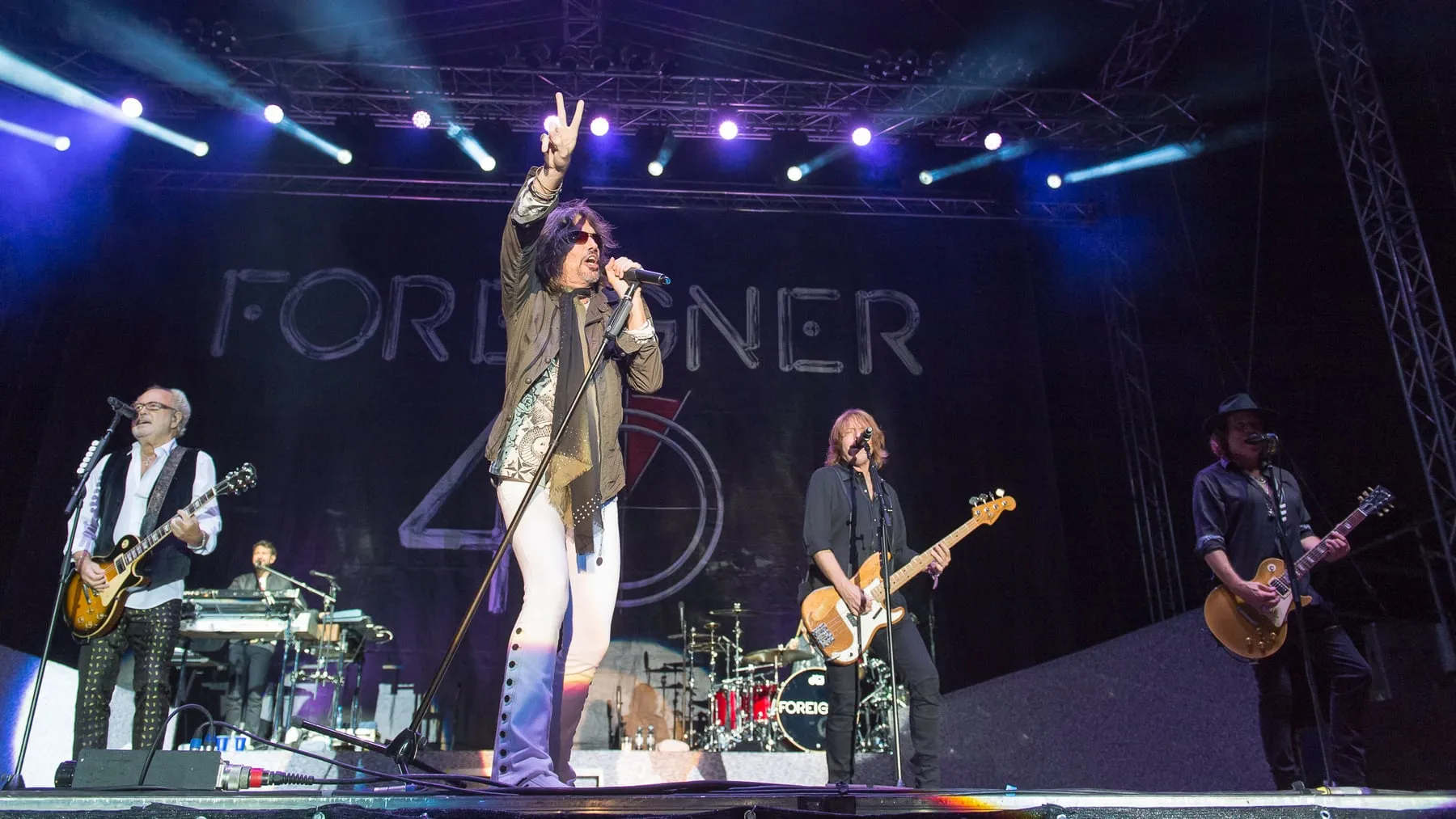
Photo by Stefan Brending ( 2eight ) , licensed under CC BY-SA 3.0 de · Wikimedia Commons
Rank #87
Foreigner
Anglo-American FM-rock hitmakers blending hard rock and AOR.
From Wikipedia
Foreigner is a British–American rock band formed in New York City in 1976. The band's original and classic lineup consisted of vocalist Lou Gramm, guitarist Mick Jones, bassists Ed Gagliardi and Rick Wills, drummer Dennis Elliott, keyboardist Al Greenwood and multi-instrumentalist Ian McDonald. Foreigner is one of the best-selling bands of all time, with worldwide sales exceeding 80 million records, including 38 million in the US.
Members
- Mick Jones
Studio Albums
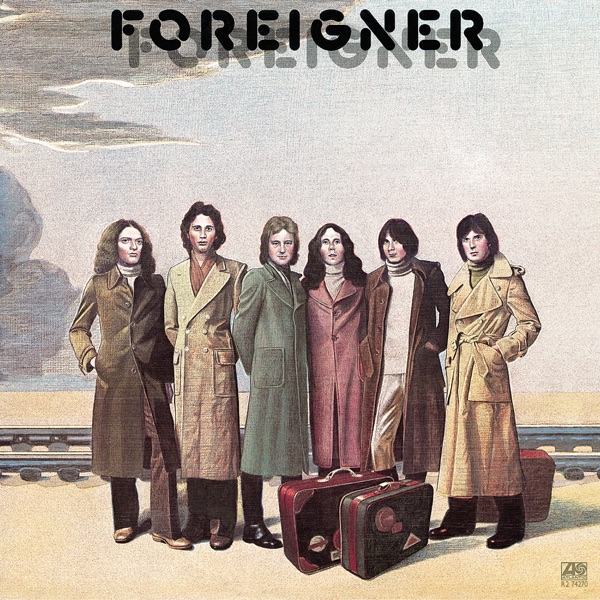
- 1977 Foreigner
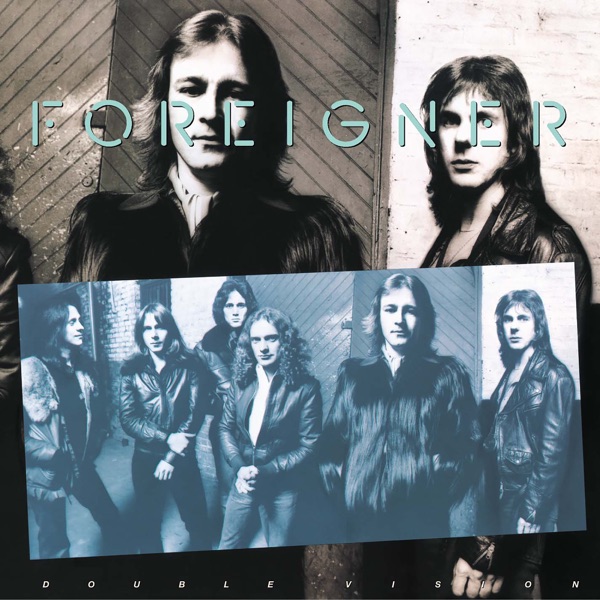
- 1978 Double Vision
- 1979 Head Games
- 1981 4
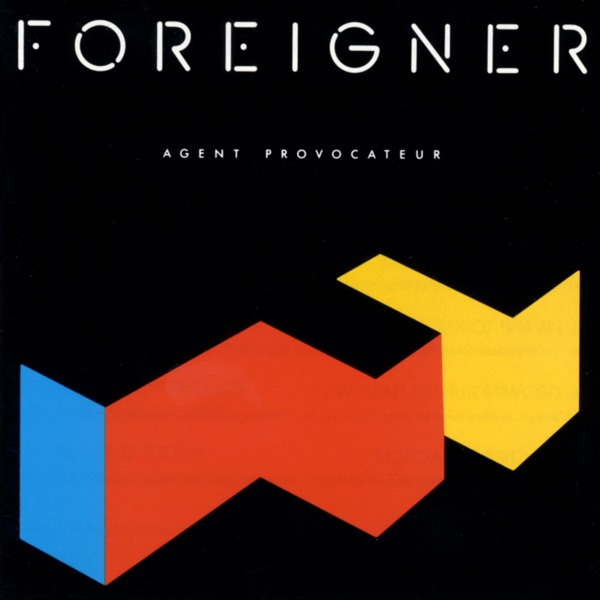
- 1984 Agent Provocateur
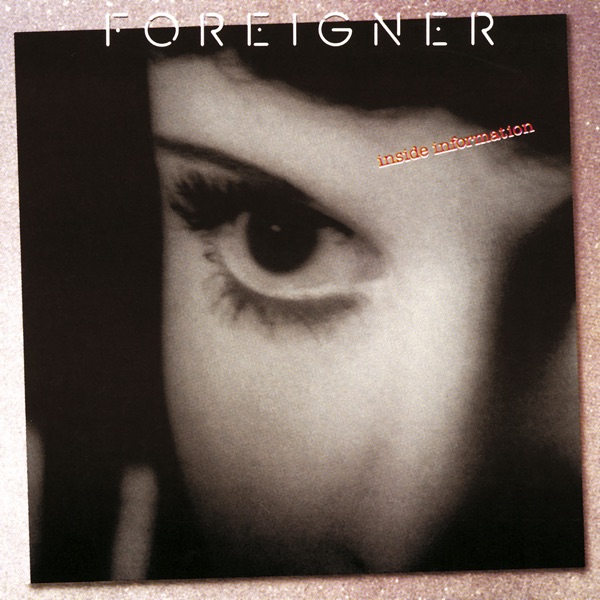
- 1987 Inside Information
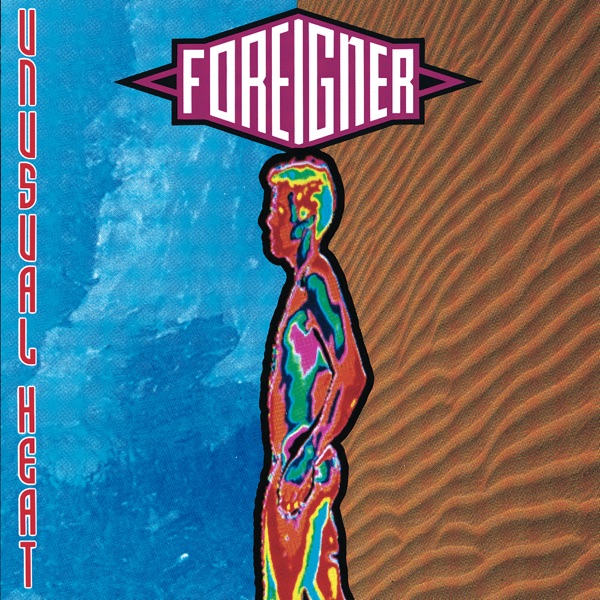
- 1991 Unusual Heat
- 1994 Mr. Moonlight
- 2009 Can’t Slow Down
Source: MusicBrainz
Deep Dive
Overview
Foreigner is a British-American rock band formed in New York City in 1976 that became one of the defining acts of FM radio in the late 1970s and 1980s. Built on a foundation of hard rock instrumentation fused with arena-ready songwriting and sophisticated production, Foreigner achieved worldwide sales exceeding 80 million records, with 38 million sold in the United States alone. The band’s blend of Anglo-American musicianship—combining British rock sensibility with American commercial ambition—positioned them at the intersection of hard rock and album-oriented rock (AOR), a space they would dominate through the early 1980s.
Formation Story
Foreigner emerged from a deliberate collaboration between British and American musicians converging in New York City’s competitive rock landscape. The band’s original and classic lineup consisted of Lou Gramm on vocals, Mick Jones on guitar, Ed Gagliardi and Rick Wills on bass, Dennis Elliott on drums, Al Greenwood on keyboards, and Ian McDonald on multi-instrumental duties. This seven-piece configuration brought diverse influences: rock sophistication, technical proficiency, and radio accessibility. The formation reflected a broader trend of the mid-1970s in which transatlantic rock bands leveraged both British art-rock traditions and American FM-radio sensibilities to create a new commercial powerhouse.
Breakthrough Moment
Foreigner’s self-titled debut album, released in 1977, immediately established the band as a serious force in FM rock. The record’s success was followed by Double Vision in 1978, which cemented their position as chart contenders and radio staples. These early releases showcased the band’s ability to craft hook-laden songs built on layered arrangements, polished production, and Gramm’s soaring vocal delivery. Within two years of formation, Foreigner had graduated from opening act to headliner, their records receiving intensive radio play and their live performances drawing arena-sized crowds across North America and beyond.
Peak Era
Foreigner’s commercial and creative apex arrived in the early 1980s, particularly with the release of 4 in 1981 and Agent Provocateur in 1984. These albums represented the band at maximum confidence, balancing stadium-ready bombast with carefully crafted song structures. The production values were state-of-the-art for the era, utilizing synthesizers and multi-tracked guitars to create a wall-of-sound aesthetic that dominated FM playlists and MTV rotation. 4, a four-piece album title that reflected its contents, became emblematic of the band’s ability to strip down their sound while maintaining commercial muscle. The Agent Provocateur era pushed the band further into glossy production and sophisticated arrangement, solidifying their presence among the top-earning rock acts of the decade.
Musical Style
Foreigner’s sound was fundamentally rooted in hard rock but mediated through an arena-rock sensibility that prioritized melodic clarity and radio-friendly song structures. Mick Jones’s guitar work combined British rock’s emphasis on texture and tone with hard rock’s power and drive, often complemented by Ian McDonald’s multi-instrumental arrangements and Al Greenwood’s keyboard textures that ranged from subtle to grandiose. Lou Gramm’s voice—powerful, stratospheric, and technically accomplished—was deployed as a primary melodic instrument, capable of both aggressive belting and emotional restraint. The band’s rhythm section of Dennis Elliott and rotating bassists provided a solid if conventional foundation. Production techniques of the late 1970s and early 1980s—heavy compression, layered vocals, synthesizer pads—became hallmarks of the band’s studio recordings. Over time, particularly after Inside Information in 1987, the band’s sound shifted further toward electronic textures and contemporary production trends, reflecting the evolving commercial landscape of rock radio.
Major Albums
Foreigner (1977)
The debut established the band’s essential formula: hard-rock instrumentation, sophisticated arrangement, and Gramm’s commanding vocal presence. It announced Foreigner as a fully formed commercial entity rather than an experimental venture.
Double Vision (1978)
The follow-up consolidated the band’s early success and expanded their radio reach, demonstrating consistency in songwriting and production standards that would define their run through the early 1980s.
4 (1981)
A lean, focused collection that became the band’s commercial peak, the album proved the band could achieve maximum impact without maximizing track count or instrumental excess.
Agent Provocateur (1984)
The band’s most polished and production-intensive work, this album represented the apex of their arena-rock sophistication and marked a moment when synthesizer and production choices brought them closest to contemporary pop-rock trends.
Inside Information (1987)
Released as 1980s production techniques and synth-rock aesthetics dominated radio, the album reflected Foreigner’s efforts to remain current while maintaining their core hard-rock identity.
Signature Songs
- Gramm’s vocal prowess and the band’s tightly constructed arrangements are best sampled across Double Vision, Head Games, and 4.
- The band’s ability to shift between aggressive rock riffing and melodic restraint defined their most enduring tracks on Agent Provocateur.
- Inside Information and Unusual Heat showcase the band’s evolution into the 1990s production landscape.
- Can’t Slow Down (2009) marked a return to recording after an extended gap and reflected the band’s continued touring and commercial relevance.
Influence on Rock
Foreigner’s strategic blending of hard rock and arena-rock sensibilities influenced subsequent generations of FM radio acts and stadium rock bands. Their commercial success demonstrated that British-American collaborations could achieve massive sales in the American market, paving the way for similar transatlantic rock ventures. The band’s production templates—layered vocals, orchestral keyboard arrangements, heavily compressed drums—became templates for 1980s rock radio. Their approach to balancing technical proficiency with accessible songwriting influenced acts working in the arena-rock and AOR spaces throughout the 1980s and beyond.
Legacy
Foreigner’s status as one of the best-selling rock bands of all time ensures their place in the rock-music canon, with their records remaining staples of classic-rock radio and streaming playlists. The band continued to tour and record into the twenty-first century, with Can’t Slow Down in 2009 marking a return to the studio after a significant gap. Their music has proven durable across changing eras of production technology and musical taste, with their 1970s and early 1980s output retaining particular resonance among listeners of classic rock. The band’s influence extends beyond their direct musical output to their demonstration that a British-American rock band could achieve sustained commercial success while maintaining credibility with rock audiences.
Fun Facts
- The band’s self-titled debut in 1977 arrived during a period of significant radio consolidation in the United States, positioning Foreigner to capitalize on FM rock’s commercial peak.
- Mick Jones’s guitar approach drew from a diverse palette of influences that reflected both British rock traditions and American hard-rock conventions.
- The original seven-piece lineup represented one of the more ambitious configurations in arena rock, distinguishing Foreigner from power-trio and four-piece models that dominated the rock landscape.
- The band’s longevity and return to recording in 2009 with Can’t Slow Down demonstrates the enduring commercial viability of 1970s and 1980s rock formulas in the digital era.
Discography & Previews
Click any album to expand its track list. Each track plays a 30-second preview streamed from Apple Music. Tap the link icon next to a track to open it in Apple Music for full playback.
- 1 Feels Like the First Time ↗ 3:13
- 2 Cold As Ice ↗ 3:23
- 3 Starrider ↗ 4:03
- 4 Headknocker ↗ 2:59
- 5 The Damage Is Done ↗ 4:22
- 6 Long, Long Way from Home ↗ 2:53
- 7 Woman Oh Woman ↗ 3:48
- 8 At War With the World ↗ 4:28
- 9 Fool for You Anyway ↗ 4:21
- 10 I Need You ↗ 5:13
- 11 Feels Like the First Time (Stereo Demo Version) ↗ 3:43
- 12 Woman Oh Woman (Stereo Demo Version) ↗ 4:17
- 13 At War With the World (Stereo Demo Version) ↗ 4:59
- 14 Take Me to Your Leader (Stereo Demo Version) ↗ 3:41
- 1 Hot Blooded ↗ 4:29
- 2 Blue Morning, Blue Day ↗ 3:13
- 3 You're All I Am ↗ 3:25
- 4 Back Where You Belong ↗ 3:16
- 5 Love Has Taken Its Toll ↗ 3:32
- 6 Double Vision ↗ 3:45
- 7 Tramontane ↗ 3:56
- 8 I Have Waited So Long ↗ 4:07
- 9 Lonely Children ↗ 3:37
- 10 Spellbinder ↗ 4:56
- 11 Hot Blooded (Live) [Bonus Track] ↗ 6:58
- 12 Love Maker (Live) [Bonus Track] ↗ 6:49


- 1 Night Life (2025 Remix) ↗ 3:51
- 2 Juke Box Hero (2025 Remix) ↗ 4:22
- 3 Break It Up (2025 Remix) ↗ 4:14
- 4 Waiting for a Girl Like You (2025 Remix) ↗ 4:52
- 5 Luanne (2025 Remix) ↗ 3:28
- 6 Urgent (2025 Remix) ↗ 4:31
- 7 I'm Gonna Win (2025 Remix) ↗ 4:53
- 8 Woman in Black (2025 Remix) ↗ 4:48
- 9 Girl on the Moon (2025 Remix) ↗ 3:50
- 10 Don't Let Go (2025 Remix) ↗ 3:50


- 1 Can't Slow Down ↗ 3:26
- 2 In Pieces ↗ 3:53
- 3 When It Comes To Love ↗ 3:52
- 4 Living In a Dream ↗ 3:41
- 5 I Can't Give Up ↗ 4:30
- 6 Ready ↗ 3:41
- 7 Give Me a Sign ↗ 3:51
- 8 I'll Be Home Tonight ↗ 4:13
- 9 Too Late ↗ 3:44
- 10 Lonely ↗ 3:25
- 11 As Long As I Live ↗ 3:45
- 12 Angel Tonight ↗ 3:28
- 13 Fool For You Anyway ↗ 4:03