
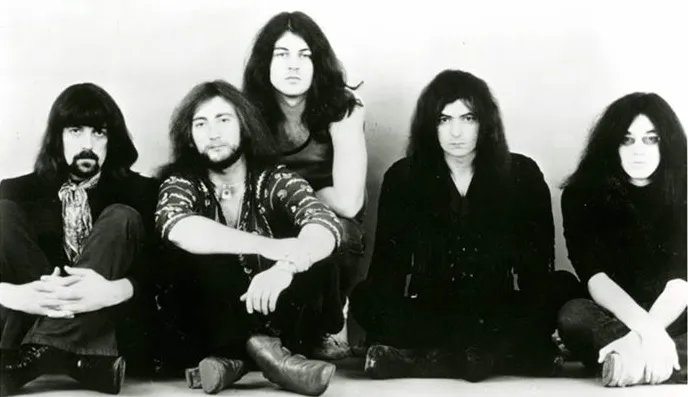
Photo by Warner Bros. Records , licensed under Public domain · Wikimedia Commons
Rank #24
Deep Purple
Foundational hard rock outfit whose riffs anchor metal's lineage.
From Wikipedia
Deep Purple are a British rock band formed in London in 1968. They are considered to be among the pioneers of heavy metal and modern hard rock, although their musical style has varied throughout their career. Originally formed as a psychedelic rock and progressive rock band, they shifted to a heavier sound with their 1970 album Deep Purple in Rock. Deep Purple have been referred to as being part of the "unholy trinity of British hard rock and heavy metal in the early to mid-'70s", alongside Led Zeppelin and Black Sabbath. Listed in the 1975 Guinness Book of World Records as "the globe's loudest band" for a 1972 concert at London's Rainbow Theatre, they have sold over 100 million records worldwide. Deep Purple have also generated several successful spinoff bands, including Rainbow, Whitesnake, and Gillan.
Members
- Don Airey
- Ian Gillan
- Ian Paice
- Roger Glover
- Simon McBride
Studio Albums
- 1968 The Book of Taliesyn
- 1968 Shades of Deep Purple
- 1969 Deep Purple
- 1970 Deep Purple in Rock
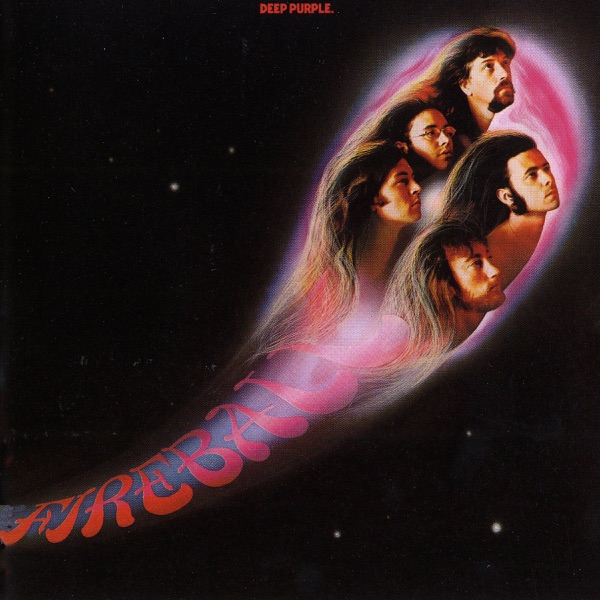
- 1971 Fireball
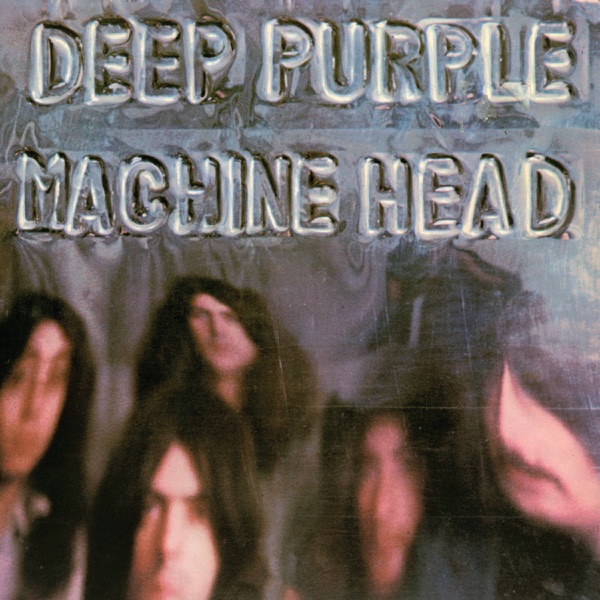
- 1972 Machine Head
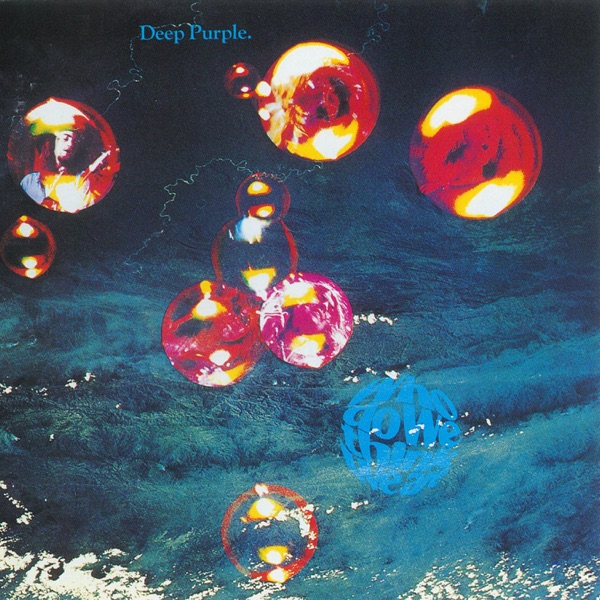
- 1973 Who Do We Think We Are
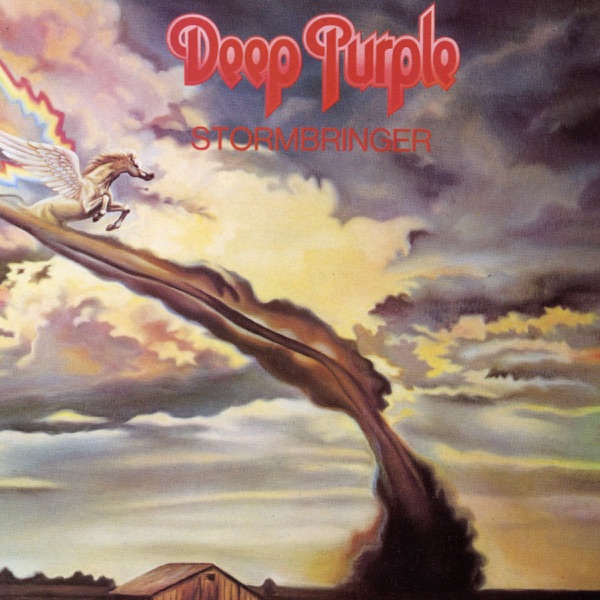
- 1974 Stormbringer
- 1974 Burn
- 1975 Come Taste the Band
- 1984 Perfect Strangers
- 1987 The House of Blue Light
- 1990 Slaves and Masters
- 1993 The Battle Rages On…
- 1996 Purpendicular
- 1998 Abandon
- 2003 Bananas
- 2005 Rapture of the Deep
- 2013 Now What?!
- 2017 Infinite
- 2020 Whoosh!
- 2021 Turning to Crime
- 2024 =1
Source: MusicBrainz
Deep Dive
Overview
Deep Purple stand as one of the principal architects of heavy metal and hard rock. Formed in London in 1968, the band emerged from psychedelic and progressive roots before pivoting to a heavier, riff-driven sound that would anchor metal’s lineage for decades. Their 1970 album Deep Purple in Rock marked the moment they claimed their signature style: towering organ work, distorted guitars, wailing vocals, and a rhythm section capable of generating physical force. Alongside Led Zeppelin and Black Sabbath, Deep Purple constitute what critics have termed the “unholy trinity of British hard rock and heavy metal in the early to mid-’70s.”
Formation Story
Deep Purple formed in Hertford in 1968, arriving at a moment when British rock was fragmenting into harder, more experimental territories. The initial lineup drew on musicians already seasoned in psychedelic and progressive contexts. Their first two records, The Book of Taliesyn and Shades of Deep Purple (both 1968), reflected that hybrid identity—ambitious, uneven, searching for definition rather than embodying it. The group’s instability during these early years was notable; personnel shifted repeatedly as members tested different musical directions.
Breakthrough Moment
The 1970 release of Deep Purple in Rock represented an unmistakable statement of purpose. The album discarded the exploratory, jazz-tinged elements of earlier work in favor of monolithic riffs, screaming organ passages, and a vocal delivery pitched somewhere between soul belting and metal aggression. This shift in direction proved decisive: Deep Purple in Rock established the template the band would refine for the next half-decade. The album’s commercial and critical momentum transformed them from promising British rock musicians into architects of a new sound.
Peak Era
The years 1971–1973 constituted Deep Purple’s peak—a period of unbroken creative and commercial ascendancy. Fireball (1971), Machine Head (1972), and Who Do We Think We Are (1973) appeared in rapid succession, each a statement of control and power. Machine Head in particular crystallized their approach: heavy, groove-oriented, vocalist and organist pushing into extremes of register and volume. By 1972, Deep Purple entered the Guinness Book of World Records as “the globe’s loudest band” following a concert at London’s Rainbow Theatre, a distinction that said less about excess and more about the sheer sonic mass they could generate. This era proved their most commercially vital and musically cohesive; the band had settled into a working chemistry that balanced innovation with accessibility.
Musical Style
Deep Purple’s sound rested on a foundational tension: the organic, expressive voice of the keyboard—Jon Lord’s Hammond organ—against the industrial force of distorted guitars and a relentless rhythm section. Unlike many hard rock and early metal bands that favored pure heaviness, Deep Purple retained harmonic sophistication and dynamic range. Their songs often opened with organ flourishes before guitars entered with overwhelming distortion, creating a push-and-pull between technical musicianship and raw power. Ian Gillan’s vocal approach ranged from soaring, almost operatic passages to harsh, strangled screams—a versatility that gave their music emotional complexity beyond the typical metal template. The rhythm section, anchored by Ian Paice’s thunderous drumming and Roger Glover’s melodic bass playing, provided both precision and propulsive energy. As their career extended beyond the 1970s, the band incorporated elements of pop sensibility and lighter production, particularly evident in later albums like Perfect Strangers (1984), yet their core identity remained rooted in the hard rock grammar of their foundational decade.
Major Albums
Deep Purple in Rock (1970)
The album that fixed their sound and identity in place. Replaced psychedelic whimsy with monolithic riffs and demonstrated that organ-driven hard rock could achieve both commercial reach and artistic weight.
Machine Head (1972)
Their masterwork of economy and impact. Shorter, sharper, and more groove-focused than its predecessors, Machine Head proved that Deep Purple could refine rather than simply repeat their formula, balancing accessibility with uncompromising heaviness.
Who Do We Think We Are (1973)
Completeness in distilled form. The album consolidated their command of the hard rock idiom and maintained their streak of consecutive platinum releases, though subtle shifts in production foreshadowed the stylistic diversification to come.
Perfect Strangers (1984)
A deliberate resurrection after a decade of relative commercial decline and internal turmoil. The album returned Deep Purple to arena prominence and proved the band’s core songwriting remained viable in the 1980s rock landscape.
Rapture of the Deep (2005)
A late-period studio effort that demonstrated the band’s continued commitment to recording new material in their post-reunion phase, maintaining an active recording schedule across multiple decades.
Signature Songs
- “Smoke on the Water” — The riff that became synonymous with hard rock itself, appearing on Machine Head and teaching generations the opening to guitar playing.
- “Highway Star” — A showcase for both Gillan’s vocal range and the band’s ability to balance technical flash with melodic hooks, from Machine Head.
- “Child in Time” — A Deep Purple in Rock deep cut that exemplified Gillan’s ability to shift from tender introspection to operatic wailing within a single composition.
- “Space Truckin’” — Machine Head’s closing track, a rhythmic juggernaut built on an insistent riff and demonstration of the band’s groove mastery.
Influence on Rock
Deep Purple’s riff-based, organ-driven approach to hard rock established a template that metal and hard rock bands would adopt, adapt, and reference for decades. Their success demonstrated that the Hammond organ could serve as a lead instrument in a heavy context, expanding metal’s harmonic palette beyond purely guitar-centered arrangements. Bands across the 1970s, 1980s, and beyond—from Rainbow (founded by Deep Purple guitarist Ritchie Blackmore) to Whitesnake (featuring both David Coverdale and Micky Moody, who had deep ties to Purple’s orbit) to generations of traditional heavy metal acts—traced direct lineage through their records. The emphasis on colossal, singable riffs rather than pure technical obscurity made hard rock accessible without diminishing its power, a balance that defined the commercial heavy metal of the subsequent forty years.
Legacy
Deep Purple have sold over 100 million records worldwide, a figure that reflects both their initial commercial dominance in the 1970s and their sustained catalog presence across subsequent decades. The band has continued to record and tour throughout the 21st century, releasing studio albums including Now What?! (2013), Infinite (2017), Whoosh! (2020), and =1 (2024). This longevity—touring and recording across half a century—has cemented their status as foundational figures rather than nostalgic acts. Their influence flows through nearly every strain of metal and hard rock that emerged after them, and their records remain staples of classic rock radio and streaming catalogs. The band’s reinventions and spinoff projects, from Rainbow to Whitesnake to Gillan, created a legacy network that extended their cultural reach well beyond their own catalog.
Fun Facts
- The band’s loudness record at London’s Rainbow Theatre in 1972 was not mere volume-seeking excess; it measured genuine acoustic output and stood as a documented Guinness record, distinguishing Deep Purple from peers and lending credibility to their power-intensive approach.
- Deep Purple’s roster has undergone numerous changes across their five-decade history, yet they have maintained recording and touring schedules that few bands of their era have matched, releasing material across multiple decades and adapting their live presentation to evolving production capabilities.
- The riff from “Smoke on the Water” became so culturally embedded in guitar instruction that it functions as a de facto first lesson for countless players, ensuring the song’s presence in popular music education regardless of generational turnover.
- Deep Purple contributed to the spinoff phenomenon that defined British rock’s mid-1970s landscape, with members and offshoots including Whitesnake and Rainbow achieving platinum success in their own right, extending the band’s cultural footprint beyond their own releases.
Discography & Previews
Click any album to expand its track list. Each track plays a 30-second preview streamed from Apple Music. Tap the link icon next to a track to open it in Apple Music for full playback.



- 1 Vavoom: Ted the Mechanic ↗ 4:17
- 2 Loosen My Strings ↗ 5:57
- 3 Soon Forgotten ↗ 4:48
- 4 Sometimes I Feel Like Screaming ↗ 7:29
- 5 Cascades: I'm Not Your Lover ↗ 4:43
- 6 The Aviator ↗ 5:20
- 7 Rosa's Cantina ↗ 5:09
- 8 A Castle Full of Rascals ↗ 5:09
- 9 A Touch Away ↗ 4:36
- 10 Hey Cisco ↗ 5:53
- 11 Somebody Stole My Guitar ↗ 4:08
- 12 The Purpendicular Waltz ↗ 4:43


- 1 Time for Bedlam ↗ 4:35
- 2 Hip Boots ↗ 3:23
- 3 All I Got Is You ↗ 4:42
- 4 One Night In Vegas ↗ 3:24
- 5 Get Me Outta Here ↗ 3:59
- 6 The Surprising ↗ 5:58
- 7 Johnny's Band ↗ 3:51
- 8 On Top of the World ↗ 4:02
- 9 Birds of Prey ↗ 5:48
- 10 Roadhouse Blues ↗ 6:01
- 11 Paradise Bar ↗ 4:11
- 12 Uncommon Man (Instrumental Version) ↗ 6:59
- 13 Hip Boots (Ian Paice Recording) ↗ 4:00
- 14 Strange Kind of Woman (Live In Alborg) ↗ 5:47

- 1 Throw My Bones ↗ 3:39
- 2 Drop the Weapon ↗ 4:23
- 3 We're All the Same In the Dark ↗ 3:44
- 4 Nothing at All ↗ 4:43
- 5 No Need to Shout ↗ 3:31
- 6 Step By Step ↗ 3:34
- 7 What the What ↗ 3:32
- 8 The Long Way Round ↗ 5:40
- 9 The Power of the Moon ↗ 4:09
- 10 Remission Possible ↗ 1:38
- 11 Man Alive ↗ 5:35
- 12 And the Address (2020 Version) ↗ 3:35
- 13 Dancing In My Sleep ↗ 3:52

- 1 7 and 7 Is ↗ 2:29
- 2 Rockin' Pneumonia and the Boogie Woogie Flu ↗ 3:15
- 3 Oh Well ↗ 4:31
- 4 Jenny Take a Ride! ↗ 4:37
- 5 Watching the River Flow ↗ 3:03
- 6 Let the Good Times Roll ↗ 4:22
- 7 Dixie Chicken ↗ 4:43
- 8 Shapes of Things ↗ 3:40
- 9 The Battle of New Orleans ↗ 2:52
- 10 Lucifer ↗ 3:45
- 11 White Room ↗ 4:53
- 12 Caught in the Act (Going Down / Green Onions / Hot 'Lanta / Dazed and Confused / Gimme Some Lovin') ↗ 7:49

- 1 Show Me ↗ 3:59
- 2 A Bit On The Side ↗ 4:11
- 3 Sharp Shooter ↗ 3:44
- 4 Portable Door ↗ 3:48
- 5 Old-Fangled Thing ↗ 4:08
- 6 If I Were You ↗ 4:43
- 7 Pictures Of You ↗ 3:51
- 8 I'm Saying Nothin' ↗ 3:28
- 9 Lazy Sod ↗ 3:41
- 10 Now You're Talkin' ↗ 4:05
- 11 No Money To Burn ↗ 3:22
- 12 I'll Catch You ↗ 3:20
- 13 Bleeding Obvious ↗ 5:51