

Photo by Рустем Адагамов (Rustem Adagamov) ( drugoi ) , licensed under CC BY-SA 3.0 · Wikimedia Commons
Rank #243
Burzum
Solo black-metal project whose lo-fi atmospherics shaped the genre's sound.
From Wikipedia
Burzum is a Norwegian music project founded by Varg Vikernes in 1991. Although Burzum never played live performances, it became a staple of the early Norwegian black metal scene and is considered one of the most influential acts in black metal's history. The word "burzum" means "darkness" in the Black Speech, a fictional language crafted by The Lord of the Rings writer J. R. R. Tolkien. Burzum's lyrics and imagery are often inspired by fantasy and Norse mythology.
Studio Albums
- 1992 Burzum
- 1993 Det som engang var
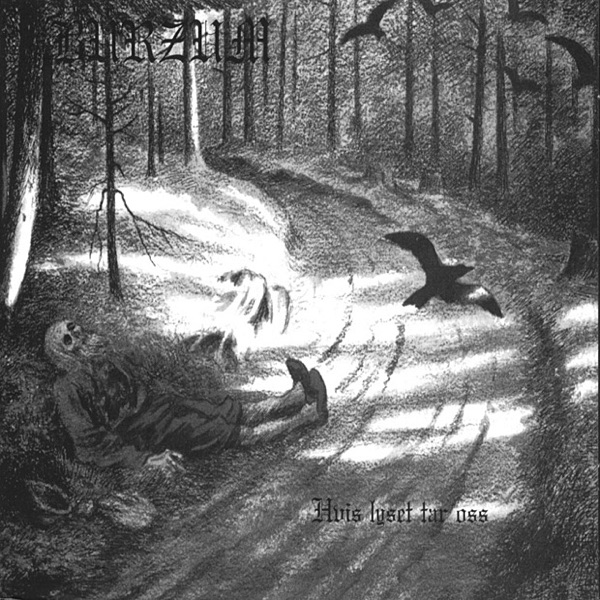
- 1994 Hvis lyset tar oss
- 1996 Filosofem
- 1997 Dauði Baldrs
- 1999 Hliðskjálf
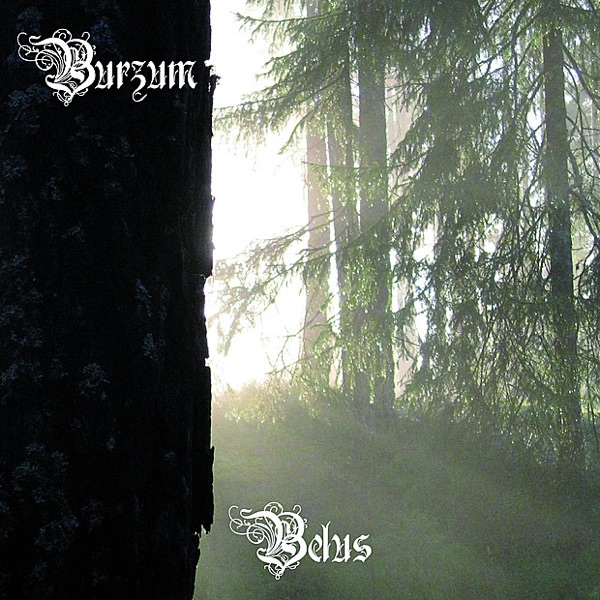
- 2010 Belus
- 2011 From the Depths of Darkness
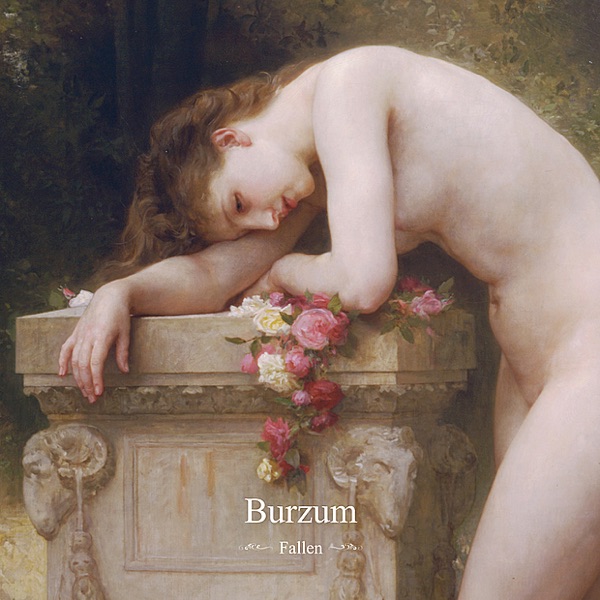
- 2011 Fallen
- 2012 Umskiptar
- 2013 Sôl austan, Mâni vestan
- 2014 The Ways of Yore
- 2018 Analog '94
- 2020 Thulêan Mysteries
- 2024 The Land of Thulê
Source: MusicBrainz
Deep Dive
Overview
Burzum is a Norwegian black metal project founded by Varg Vikernes in 1991. The name derives from “burzum,” meaning “darkness” in the Black Speech, the fictional language created by J. R. R. Tolkien for The Lord of the Rings. Although Burzum never performed live, the project became a foundational voice in the early Norwegian black metal scene and remains one of the genre’s most influential acts. Vikernes’ deliberately lo-fi production and atmospheric compositions reshaped black metal’s sonic identity, proving that raw, minimalist instrumentation could carry profound emotional and textural weight.
Formation Story
Varg Vikernes established Burzum in 1991 as a solo endeavor during the infancy of Norway’s black metal explosion. Operating from Norway, Vikernes worked entirely alone on composition, instrumentation, and production, a solitary approach that would define Burzum’s entire catalog. The project emerged amid a broader Scandinavian underground scene that was simultaneously discovering black metal’s potential to channel extreme aggression through deliberately primitive aesthetics. By operating as a one-man enterprise with no touring ambitions, Burzum occupied a unique space—influential yet deliberately removed from the concert circuit.
Breakthrough Moment
Burzum’s self-titled debut in 1992 introduced audiences to Vikernes’ tremolo-picked guitar lines and whispered, distant vocals drenched in reverb and distortion. The album’s crude production and atmospheric density immediately distinguished it from other emerging black metal bands. The following year, Det som engang var (1993) solidified the project’s reputation as a creative force. By Hvis lyset tar oss (1994), Burzum had secured its position within the vanguard of early Norwegian black metal, with each release demonstrating Vikernes’ deepening command of melody and atmosphere despite—or because of—the intentionally poor audio fidelity.
Peak Era
The mid-to-late 1990s represented Burzum’s most creatively potent and historically significant period. Filosofem (1996) stands as a landmark statement, showcasing fuller song structures while maintaining the lo-fi aesthetic that had become Burzum’s hallmark. That same year also marked a turning point in Vikernes’ personal circumstances, which led to a period of reduced output. The subsequent albums Dauði Baldrs (1997) and Hliðskjálf (1999) saw the project shift toward darker ambient and neofolk territories, with extended instrumental passages and synthesizer-based compositions replacing pure black metal instrumentation. These records expanded Burzum’s sonic palette while retaining the Norse mythology and fantasy themes central to Vikernes’ artistic vision.
Musical Style
Burzum’s sound is defined by lo-fi black metal fundamentals layered with melodic sensibility and atmospheric depth. Vikernes employed heavily distorted, tremolo-picked guitars as the primary textural element, combined with barely audible drums that serve more as rhythmic shadow than percussive anchor. The vocals sit far back in the mix, often whispered or croaked into near-unintelligibility, functioning as another atmospheric instrument rather than a traditional focal point. Lyrically and thematically, Burzum drew inspiration from Norse mythology, medieval fantasy literature, and the imagined world-building of Tolkien’s work. As the 1990s progressed, Burzum’s sound incorporated greater quantities of synth work and ambient textures, particularly on Dauði Baldrs and Hliðskjálf, which shifted the project further toward dark ambient and neofolk sensibilities while maintaining the underlying philosophy of minimal, deliberate production.
Major Albums
Burzum (1992)
Burzum’s self-titled debut established the template for lo-fi Norwegian black metal atmospherics, with tremolo-picked guitars and buried vocals creating an immersive wall of distorted sound that influenced countless subsequent bands.
Det som engang var (1993)
The second album refined the debut’s approach, balancing raw production with increasingly sophisticated melodic structures and demonstrating Vikernes’ growth as a composer within the constraints of intentionally primitive recording methods.
Hvis lyset tar oss (1994)
This album solidified Burzum’s standing as a creative force in early Norwegian black metal, showcasing fuller compositions and thicker atmospheric layering while adhering to the project’s uncompromising aesthetic.
Filosofem (1996)
Considered a landmark statement, Filosofem presented Burzum’s most developed songwriting and most cohesive expression of Vikernes’ dark, introspective vision, combining black metal brutality with almost symphonic melodic sensibility.
Dauði Baldrs (1997)
Marking a significant stylistic shift, this album embraced ambient and synth-based composition over traditional black metal instrumentation, demonstrating Vikernes’ willingness to explore texture and atmosphere beyond the genre’s conventional boundaries.
Hliðskjálf (1999)
Burzum’s deepest venture into dark ambient and neofolk territory, Hliðskjálf featured extended instrumental passages and synthesizer-driven arrangements that expanded the project’s sonic reach while maintaining thematic coherence around Norse and fantasy mythology.
Signature Songs
- Dunkelheit — A defining example of Burzum’s ability to create immersive, hypnotic atmospherics through minimal means.
- Jesu DØd — Demonstrates Vikernes’ talent for crafting darkly melodic black metal compositions anchored in lo-fi production.
- A Lost Forgotten Sad Spirit — Exemplifies the project’s capacity to evoke deep melancholy and introspection within the black metal framework.
- Hvis lyset tar oss — The title track that became synonymous with early Norwegian black metal’s melancholic intensity.
Influence on Rock
Burzum’s impact on black metal and extreme metal broadly cannot be overstated. The project demonstrated that deliberately poor production quality, when paired with sophisticated melodic writing and thematic coherence, could achieve profound artistic depth. Vikernes’ approach directly influenced the aesthetic philosophy of countless black metal bands in subsequent decades, from European underground acts to Japanese and North American projects that similarly embraced lo-fi production as a creative asset rather than limitation. The project’s integration of Norse mythology and fantasy literature into black metal’s visual and lyrical language also helped establish those themes as standard elements of the genre’s identity.
Legacy
Burzum’s significance within black metal history remains undisputed more than three decades after its founding. The project’s catalog from 1992 through 1999 represents a foundational body of work that defined how an entire genre could balance accessibility through atmosphere with inaccessibility through production and vocal delivery. Vikernes has continued to release material throughout the 2010s and 2020s, including Belus (2010), Umskiptar (2012), and most recently The Land of Thulê (2024), demonstrating an ongoing commitment to artistic evolution. These later-era releases have explored additional stylistic variations while maintaining thematic continuity around Norse mysticism and fantasy concepts. Burzum’s influence extends beyond metal into broader dark ambient and neofolk communities, where the project’s atmospheric and instrumental achievements are studied and emulated. The project’s refusal to perform live has only deepened its mystique, positioning Burzum as a purely studio-based artistic vision whose power derives entirely from recorded sound rather than live spectacle.
Fun Facts
- The project’s name comes from Tolkien’s Black Speech, reflecting Vikernes’ lifelong fascination with The Lord of the Rings and fantasy world-building as artistic source material.
- Burzum never performed a live concert despite its profound influence on the touring black metal scene, remaining a studio-only project from its 1991 founding onward.
- Dauði Baldrs (1997) and Hliðskjálf (1999) were primarily synthesizer-based albums that moved away from traditional black metal instrumentation, showing Vikernes’ willingness to completely abandon genre expectations.
- The project’s official website (burzum.org) has served as Vikernes’ primary outlet for maintaining direct communication with fans and releasing information about new recordings.
Discography & Previews
Click any album to expand its track list. Each track plays a 30-second preview streamed from Apple Music. Tap the link icon next to a track to open it in Apple Music for full playback.




- 1 Sol Austan (East of the Sun) ↗ 4:22
- 2 Runar Munt Bu Finna (You Shall Find Secrets) ↗ 3:28
- 3 Solarras (Sun-Journey) ↗ 4:04
- 4 Haugaeldr (Burial Mound Fire) ↗ 7:26
- 5 Fedrahellir (Forebear-Cave) ↗ 5:21
- 6 Solargudi (Sun-God) ↗ 7:12
- 7 Ganga at Solu (Deasil) ↗ 5:58
- 8 Hid (Deasil) ↗ 6:23
- 9 Heljarmyrkr (Death's Darkness) ↗ 4:02
- 10 Mani Vestan (West of the Moon) ↗ 5:53
- 11 Solbjorg (Sunset) ↗ 4:00

- 1 The Sacred Well ↗ 2:57
- 2 The Loss of a Hero ↗ 0:55
- 3 ForeBears ↗ 4:04
- 4 A Thulêan Perspective ↗ 4:03
- 5 Gathering of Herbs ↗ 1:15
- 6 Heill auk Sæll ↗ 3:39
- 7 Jötunnheimr ↗ 1:40
- 8 Spell-Lake Forest ↗ 1:08
- 9 The Ettin Stone Heart ↗ 1:17
- 10 The Great Sleep ↗ 1:30
- 11 The Land of Thulê ↗ 2:15
- 12 The Lord of the Dwarves ↗ 5:16
- 13 A Forgotten Realm ↗ 7:26
- 14 Heill Óðinn, Sire ↗ 1:19
- 15 The Ruins of Dwarfmount ↗ 1:32
- 16 The Road to Hel ↗ 7:45
- 17 Thulêan Sorceryl ↗ 2:12
- 18 Descent into Niflheimr ↗ 1:43
- 19 Skin Traveller ↗ 4:37
- 20 The Dream Land ↗ 8:45
- 21 Thulêan Mysteries ↗ 4:24
- 22 The Password ↗ 15:14
- 23 The Loss of Thulê ↗ 5:04