Photo by Private Stock Records , licensed under Public domain · Wikimedia Commons
Rank #203
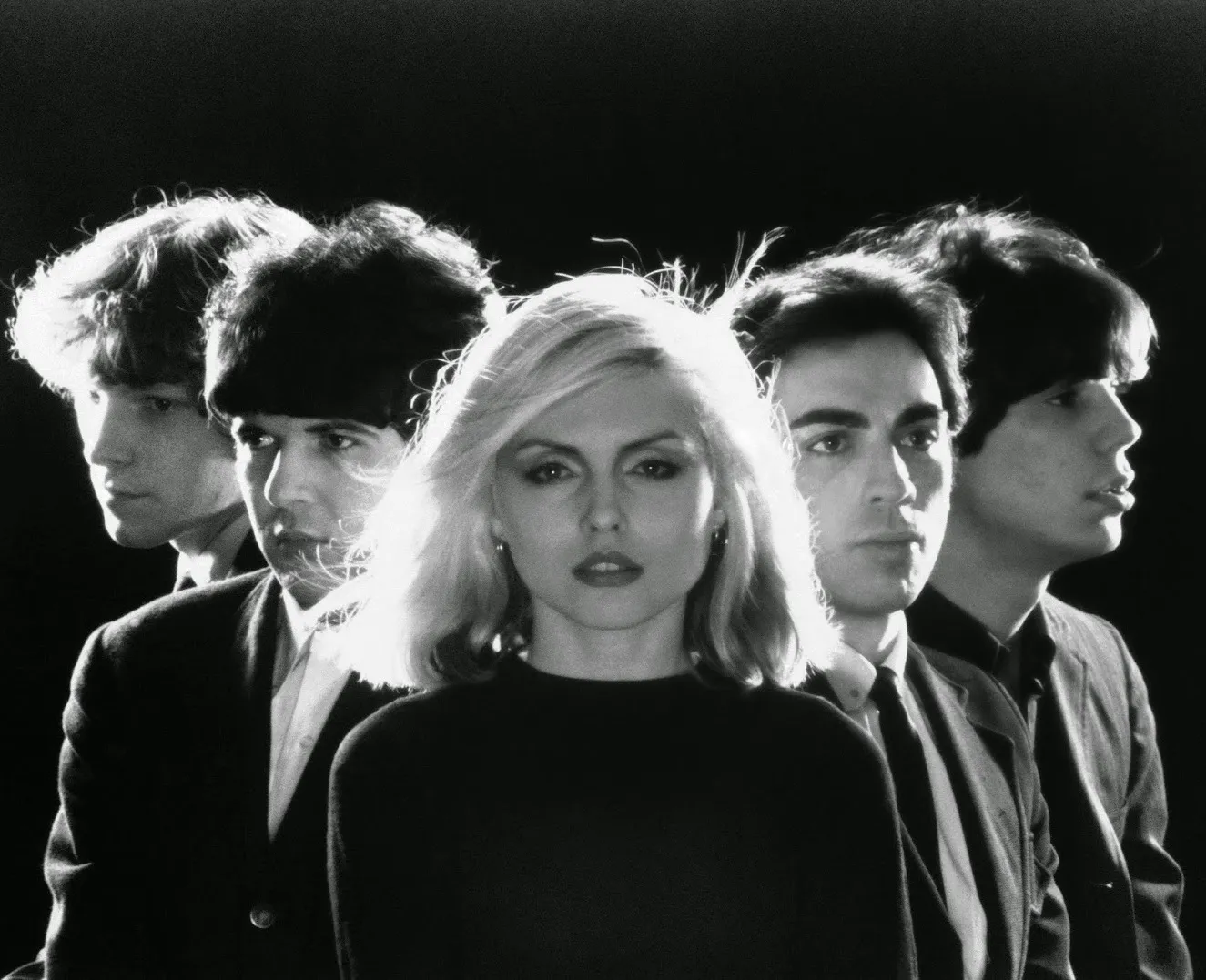
Blondie
CBGB-bred New Yorkers who fused punk, disco, and hip hop into pop hits.
From Wikipedia
Blondie is an American new wave band formed in New York City in 1974 by singer Debbie Harry and guitarist Chris Stein. The band was a pioneer in the American new wave genre and scene of the mid-1970s.
Members
- Chris Stein
- Clem Burke
- Debbie Harry
- Gary Lachman
Studio Albums
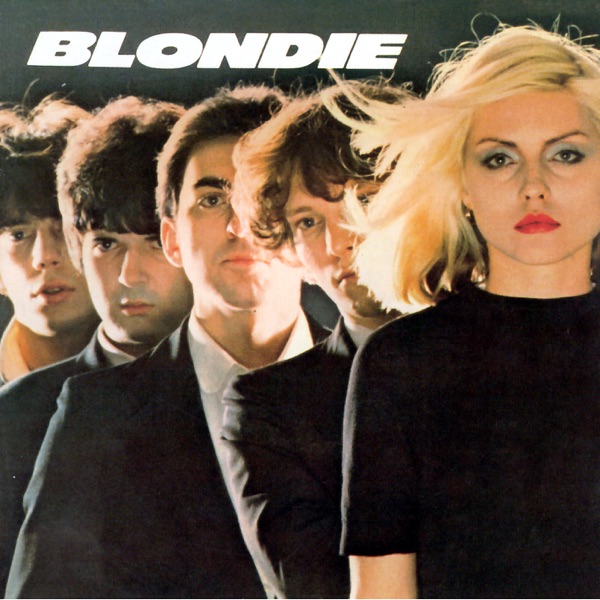
- 1976 Blondie
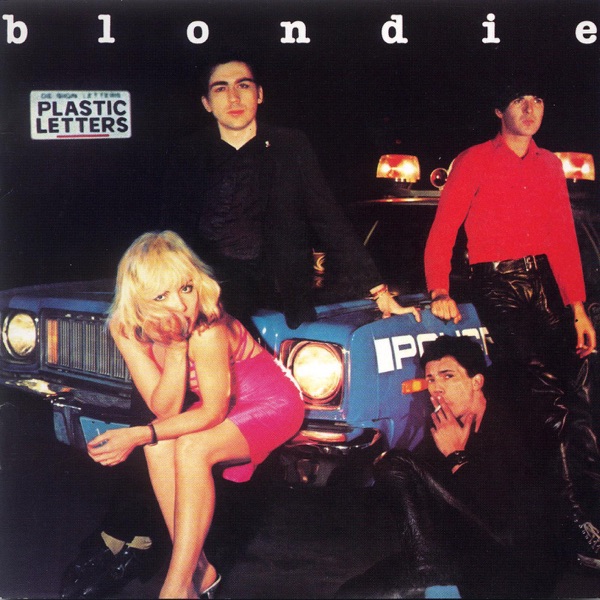
- 1977 Plastic Letters
- 1978 Parallel Lines
- 1979 Eat to the Beat
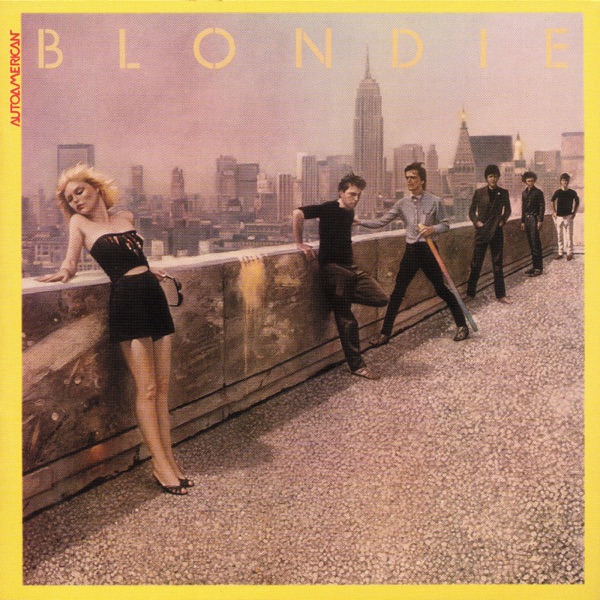
- 1980 Autoamerican
- 1982 The Hunter
- 1999 No Exit
- 2003 The Curse of Blondie
- 2011 Panic of Girls
- 2017 Pollinator
- 2022 The Broadcast Collection
Source: MusicBrainz
Deep Dive
Overview
Blondie stands as one of the most consequential rock bands to emerge from the 1970s punk and new wave ferment. Formed in New York City in 1974, the band built an unlikely bridge between the raw energy of punk, the propulsive rhythms of disco, and the melodic accessibility of mainstream pop—a fusion that would define much of their era’s most enduring music. Led by vocalist Debbie Harry and guitarist Chris Stein, Blondie proved that new wave was not a fleeting art-school gesture but a viable vehicle for creating some of the decade’s most commercially successful and culturally resonant rock.
Formation Story
Debbie Harry and Chris Stein founded Blondie in New York City in 1974, emerging from the city’s downtown punk and CBGB scene that was simultaneously birthing Television, the Ramones, and Talking Heads. The band’s name was reportedly inspired by catcalls Harry received on the street. The core lineup solidified around Harry’s distinctive vocals, Stein’s guitar work, bassist Gary Lachman, and drummer Clem Burke. This arrangement—sharp guitar, propulsive rhythm section, and Harry’s deadpan yet expressive delivery—became the blueprint for Blondie’s signature sound. The band’s positioning in the CBGB ecosystem placed them at the intersection of punk’s DIY ethos and new wave’s embrace of electronic texture and pop sensibility.
Breakthrough Moment
Blondie’s self-titled debut album appeared in 1976, establishing the band’s template: lean, new wave-inflected rock songs with infectious hooks and Harry’s cool, detached vocal presence. The album found an audience within the downtown New York scene, but broader success came with their third release, Parallel Lines (1978). This album marked a turning point, showcasing Blondie’s ability to refine their punk-derived energy into polished, radio-friendly pop songs without sacrificing edge. Parallel Lines became a breakthrough both commercially and creatively, demonstrating that new wave could occupy the same commercial space as mainstream rock and pop. The album’s combination of accessible melodies, precise production, and Harry’s charismatic vocal style proved decisive in carrying Blondie from cult status to arena visibility.
Peak Era
From 1978 through 1980, Blondie dominated both rock and pop charts. Following Parallel Lines, the band released Eat to the Beat (1979) and Autoamerican (1980), each expanding their sonic palette while maintaining commercial momentum. During this three-album run, Blondie became an unavoidable presence on radio and MTV—a cultural force that transcended the underground origins. The band’s ability to absorb influences from punk, post-punk, disco, and even nascent hip-hop production techniques while remaining fundamentally pop-oriented set them apart from more doctrinaire new wave acts. Their look—synthesizing punk’s deliberate provocations with high-fashion awareness—made them visual icons as well as sonic ones. This peak period established Blondie not merely as a new wave band, but as interpreters and synthesizers of multiple contemporary musical languages.
Musical Style
Blondie’s sound fused post-punk austerity with disco-influenced dance grooves and pop’s melodic accessibility. Chris Stein’s guitar work ranged from spare, angular riffs to fuller, more textured arrangements, often layered with synthesizers that reflected the band’s openness to electronic production. Gary Lachman’s bass lines frequently drove the rhythmic center, while Clem Burke’s drumming provided a tight, energetic foundation that could adapt from punk’s raw directness to funk-influenced grooves. Debbie Harry’s vocal approach—cool, precise, sometimes deadpan, occasionally soaring—became a model for new wave singers who followed. The band’s songwriting typically favored concise pop structures, clever hooks, and lyrics that balanced irony, detachment, and genuine emotional resonance. As they evolved across their albums from 1976 onward, Blondie demonstrated a willingness to incorporate disco elements, electronic production, and dance-music sensibilities that contemporary punk purists sometimes criticized but that ultimately expanded rock’s expressive range.
Major Albums
Blondie (1976)
The debut introduced the core Blondie aesthetic: new wave minimalism, sharp hooks, and Harry’s cool vocal presence. It established the band within New York’s downtown scene and laid the foundation for their later commercial ascent.
Plastic Letters (1977)
The follow-up refined the band’s songwriting while maintaining their punk-adjacent energy. The album showcased deeper melodic sophistication and began hinting at the radio appeal that would define their subsequent work.
Parallel Lines (1978)
Blondie’s commercial breakthrough and perhaps their most creatively assured statement, Parallel Lines balanced pop accessibility with the band’s new wave origins. The album demonstrated that mainstream success and artistic credibility were not mutually exclusive.
Eat to the Beat (1979)
Released a year after Parallel Lines, this album continued the band’s commercial momentum while incorporating more overt disco and dance-music influences. It solidified Blondie’s position at the crossroads of rock, pop, and dance music.
Autoamerican (1980)
The band’s third consecutive major statement, Autoamerican showcased their continued evolution and adventurousness, incorporating diverse sonic textures while maintaining their pop sensibility. This album represented the peak of their 1978–1980 creative run.
Signature Songs
- “Heart of Glass” — A Parallel Lines standout that exemplified Blondie’s ability to merge new wave precision with disco-influenced grooves and mainstream pop appeal.
- “Rapture” — An Autoamerican track that became one of rock’s early mainstream engagements with hip-hop and rap elements, featuring Debbie Harry trading verses with guitarist Chris Stein in a proto-rap vocal style.
- “Call Me” — A cultural phenomenon from Autoamerican, the song’s synth-driven production and Harry’s vocal delivery made it one of the era’s defining pop records.
- “Atomic” — An Eat to the Beat highlight that captured Blondie’s gift for infectious, minimalist pop hooks underscored by precise production.
Influence on Rock
Blondie’s demonstration that new wave could achieve both critical credibility and mainstream commercial success fundamentally altered rock music’s landscape in the late 1970s and 1980s. By proving that pop sensibility and artistic coherence could coexist, they helped legitimize synthesizer-driven rock and dance-influenced production in mainstream contexts. Their openness to disco rhythms and later their incorporation of hip-hop elements expanded rock’s palette of acceptable influences. Bands that emerged in the 1980s, whether power-pop acts seeking radio play or new wave experimentalists, could point to Blondie as evidence that hybrid approaches were viable. The band’s success also demonstrated the cultural power of a striking visual presentation and a charismatic frontperson—elements that became central to 1980s rock and pop strategy.
Legacy
After The Hunter (1982), Blondie ceased recording as an active entity, though they reunited for No Exit (1999), followed by The Curse of Blondie (2003), Panic of Girls (2011), Pollinator (2017), and The Broadcast Collection (2022). The band’s commercial and critical dominance during the 1978–1980 window remains their primary legacy, but the periodic reunions have allowed successive generations to encounter their work. Debbie Harry in particular became a cultural icon whose influence extended beyond music into fashion, film, and art. The band’s demonstration that new wave was a resilient, commercially viable genre has ensured their albums remain essential documents of the era. Their willingness to absorb influences from multiple sources—punk, disco, hip-hop—positions them as crucial interpreters of 1970s and 1980s musical pluralism.
Fun Facts
- Blondie’s name reportedly originated from catcalls directed at Debbie Harry on New York streets, a detail that underscored both her visual impact and the band’s ironic relationship to mainstream culture.
- The band’s early association with CBGB placed them in direct artistic proximity to the Ramones, Television, and Talking Heads, making them part of what many consider the first cohesive American punk and new wave wave.
- “Rapture” became one of rock music’s earliest mainstream hip-hop crossovers, predating many other rock-rap collaborations and demonstrating Blondie’s cultural antennae.
- The band’s commercial dominance was swift: Parallel Lines arrived in 1978, and by 1980, they had released three consecutive albums that achieved both critical and commercial success—a run few new wave acts could match.
Discography & Previews
Click any album to expand its track list. Each track plays a 30-second preview streamed from Apple Music. Tap the link icon next to a track to open it in Apple Music for full playback.
- 1 X Offender ↗ 3:15
- 2 Little Girl Lies ↗ 2:08
- 3 In the Flesh ↗ 2:33
- 4 Look Good In Blue ↗ 2:56
- 5 In the Sun ↗ 2:40
- 6 A Shark In Jets Clothing ↗ 3:40
- 7 Man Overboard ↗ 3:22
- 8 Rip Her to Shreds ↗ 3:23
- 9 Rifle Range ↗ 3:42
- 10 Kung Fu Girls ↗ 2:33
- 11 The Attack of the Giant Ants ↗ 3:34
- 12 Out In the Streets (Original Instant Records Demo) [Bonus Track] ↗ 2:21
- 13 The Thin Line (Original Instant Records Demo) [Bonus Track] ↗ 2:17
- 14 Platinum Blonde (Original Instant Records Demo) [Bonus Track] ↗ 2:12
- 15 X Offender (Original Private Stock Single) [Bonus Track] ↗ 3:14
- 16 In the Sun (Original Private Stock Single) [Bonus Track] ↗ 2:39
- 1 Fan Mail ↗ 2:39
- 2 Denis ↗ 2:19
- 3 Bermuda Triangle Blues (Flight 45) ↗ 2:48
- 4 Youth Nabbed As Sniper ↗ 3:04
- 5 Contact In Red Square ↗ 2:03
- 6 (I'm Always Touched By Your) Presence, Dear ↗ 2:43
- 7 I'm On E ↗ 2:18
- 8 I Didn't Have the Nerve to Say No ↗ 2:52
- 9 Love at the Pier ↗ 2:28
- 10 No Imagination ↗ 2:56
- 11 Kidnapper ↗ 2:38
- 12 Detroit 442 ↗ 2:29
- 13 Cautious Lip ↗ 4:33
- 14 Once I Had a Love (a.k.a.. The Disco Song) [Bonus Track] ↗ 3:59
- 15 Scenery (Bonus Track) ↗ 3:11
- 16 Poets Problem (Bonus Track) ↗ 2:21
- 17 Detroit 442 (Live) [Bonus Track] ↗ 2:33

- 1 Hanging on the Telephone ↗ 2:25
- 2 One Way or Another ↗ 3:37
- 3 Picture This ↗ 2:59
- 4 Fade Away and Radiate ↗ 4:04
- 5 Pretty Baby ↗ 3:23
- 6 I Know but I Don't Know ↗ 3:57
- 7 11:59 ↗ 3:21
- 8 Will Anything Happen ↗ 3:02
- 9 Sunday Girl ↗ 3:07
- 10 Heart of Glass ↗ 3:49
- 11 I'm Gonna Love You Too ↗ 2:10
- 12 Just Go Away ↗ 3:25

- 1 Europa ↗ 3:31
- 2 Live It Up ↗ 4:10
- 3 Here's Looking At You ↗ 2:58
- 4 The Tide Is High ↗ 4:40
- 5 Angels On The Balcony ↗ 3:48
- 6 Go Through It ↗ 2:42
- 7 Do The Dark ↗ 3:52
- 8 Rapture ↗ 6:31
- 9 Faces ↗ 3:52
- 10 T-Birds ↗ 3:57
- 11 Walk Like Me ↗ 3:45
- 12 Follow Me ↗ 3:11
- 13 Call Me (Theme From "American Gigolo" / Remastered 2001) ↗ 8:07
- 14 Suzy & Jeffrey ↗ 4:10
- 15 Rapture (Special Disco Mix) ↗ 9:59

- 1 Orchid Club ↗ 5:45
- 2 Island of Lost Souls ↗ 4:43
- 3 Dragonfly ↗ 6:01
- 4 For Your Eyes Only ↗ 3:07
- 5 The Beast ↗ 4:54
- 6 War Child ↗ 4:01
- 7 Little Caesar ↗ 3:01
- 8 Danceway ↗ 3:19
- 9 (Can I) Find the Right Words (To Say) ↗ 3:07
- 10 English Boys ↗ 3:49
- 11 The Hunter Gets Captured By the Game ↗ 3:45
- 12 War Child (Extended Version) [Bonus Track] ↗ 7:59

- 1 Screaming Skin ↗ 5:35
- 2 Forgive and Forget (Pull Down the Night) ↗ 4:32
- 3 Maria ↗ 4:51
- 4 No Exit (feat. Coolio & the Loud Allstars) ↗ 4:19
- 5 Double Take (feat. Candy Dulfer) ↗ 4:12
- 6 Nothing Is Real but the Girl ↗ 3:13
- 7 Boom Boom in the Zoom Zoom Room ↗ 4:09
- 8 Night Wind Sent ↗ 4:40
- 9 Under the Gun (For Jeffrey Lee Pierce) ↗ 4:09
- 10 Out in the Streets ↗ 3:03
- 11 Happy Dog (For Caggy) ↗ 3:24
- 12 The Dream's Lost On Me ↗ 3:19
- 13 Divine ↗ 4:15
- 14 Dig Up the Conjo ↗ 4:55

- 1 Shakedown ↗ 5:06
- 2 Good Boys ↗ 4:19
- 3 Undone ↗ 4:28
- 4 Golden Rod ↗ 5:23
- 5 Rules for Living ↗ 5:13
- 6 Background Melody (The Only One) ↗ 3:55
- 7 Magic (Asadoya Yunta) ↗ 4:06
- 8 End to End ↗ 3:59
- 9 Hello Joe ↗ 4:06
- 10 The Tingler ↗ 3:52
- 11 Last One in the World ↗ 4:31
- 12 Diamond Bridge ↗ 4:07
- 13 Desire Brings Me Back ↗ 5:31
- 14 Songs of Love (For Richard) ↗ 6:47

