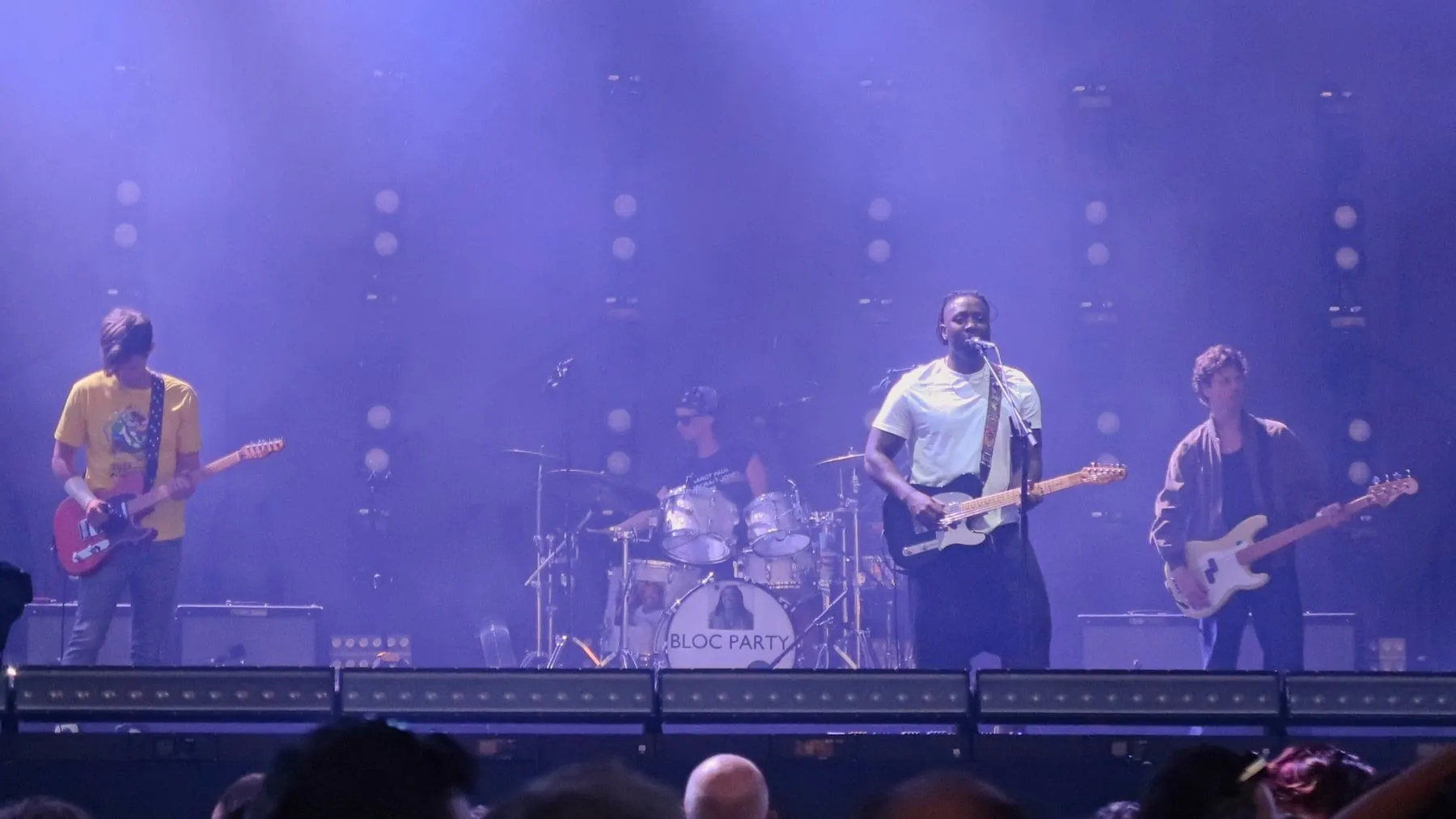
Photo by Bex Walton , licensed under CC BY 4.0 · Wikimedia Commons
Rank #362
Bloc Party
London indie-rockers of jagged guitars and political restlessness.
From Wikipedia
Bloc Party are an English rock band that was formed in London in 1999 by co-founders Kele Okereke and Russell Lissack. Their first four albums all featured Gordon Moakes and Matt Tong (drums), who have since left the band. Their current lineup also contains Louise Bartle and Harry Deacon. Their brand of music, whilst rooted in rock, retains elements of other genres such as electronica and house music.
Studio Albums
- 2004 Silent Alarm
- 2007 A Weekend in the City
- 2008 Intimacy
- 2012 Four
- 2013 Tapes
- 2016 Hymns
- 2022 Alpha Games
- — Blok Party .....Collection'14
Source: MusicBrainz
Deep Dive
Overview
Bloc Party are an English indie rock band formed in London whose sound merges post-punk angularity with electronic textures and political urgency. Emerging in the early 2000s, they became central figures in the UK indie rock resurgence, moving beyond guitar orthodoxy to incorporate elements of electronica and house music into their foundation of jagged, dissonant riffs and taut rhythmic precision. Their catalog spans from their debut’s raw urgency through later explorations of dance-inflected production, establishing them as artists unafraid to shift their sonic palette across two decades of recording.
Formation Story
Bloc Party coalesced around co-founders Kele Okereke and Russell Lissack in London in 1999, though the band’s official formation year is listed as 2003. The early lineup solidified with the addition of bassist Gordon Moakes and drummer Matt Tong, creating the core four-piece that would record their first four studio albums. London’s fertile indie scene of the early 2000s provided the breeding ground for their sound—a city where post-punk’s intellectual rigor and new wave’s synthetic experimentation remained constant touchstones among emerging rock musicians. Okereke’s lyrics carried a cerebral, often socially conscious edge, while Lissack’s guitar work favored sharp, economical lines over traditional power-chord dynamics.
Breakthrough Moment
Bloc Party’s debut album Silent Alarm, released in 2004, announced the band as a major force in contemporary indie rock. The record’s brittle, high-energy aesthetic and Okereke’s anxious vocal delivery resonated with audiences fatigued by both stadium rock bombast and the melancholic indie-pop that had dominated the previous half-decade. The album’s blend of post-punk reconstruction and contemporary production sophistication—clean, precise, never murky—differentiated them from revival acts content to merely echo the past. Silent Alarm established their working relationship with Atlantic Records, which would remain their label through subsequent releases, and positioned them for rapid expansion into the festival circuit and international markets.
Peak Era
Bloc Party’s creative and commercial zenith arrived across 2007 and 2008 with consecutive releases A Weekend in the City and Intimacy. These albums saw the band deepening their engagement with electronic instrumentation and dance-music sensibilities without abandoning their core identity as a rock band. The production grew more sophisticated, arrangements more layered, and thematic concerns shifted toward urban alienation and personal disquiet. This period represented their fullest realization of the hybrid sound they had begun articulating on Silent Alarm—a genuine fusion rather than guitar-rock-plus-synths. The albums demonstrated that Bloc Party was capable of evolution without losing the abrasive intelligence that defined their early work.
Musical Style
Bloc Party’s sound is built on the foundation of angular, minimalist guitar work—Lissack’s riffs rarely exceed a few notes repeated with hypnotic precision, favoring dissonance and space over fullness. Okereke’s vocals cut through with a thin, sometimes strained tenor that conveys urgency and intellectual distance in equal measure. The rhythm section, anchored by Tong’s tight, jazz-influenced drumming and Moakes’ melodic, often independent bass lines, creates the propulsive engine that powers the band’s forward momentum. From their debut onward, electronic elements—synthesizers, drum machines, processed textures—were never merely decorative; they functioned as essential parts of the compositional fabric. This integration of rock’s traditional instruments with electronica’s textural palette reflects the band’s lineage from post-punk innovators like Gang of Four and Talking Heads, updated through the lens of early-2000s electronic music and digital production techniques.
Major Albums
Silent Alarm (2004)
The debut established Bloc Party’s signature sound: sparse, angular guitar lines, syncopated rhythms, and Okereke’s neurotic vocal presence all coalescing into urgent, tightly wound songs that rejected both punk’s three-chord simplicity and grunge’s emotional sprawl.
A Weekend in the City (2007)
The second album consolidated the band’s commercial success while pushing further into electronic territory, with synthesizers and processed sounds becoming more integral to the songwriting, reflecting increased lyrical focus on urban anxiety and psychological unease.
Intimacy (2008)
A darker, more introspective record that saw Bloc Party embracing house and techno influences more openly, moving toward dance-floor sensibilities while maintaining the guitar-based architecture that remained their identity.
Four (2012)
After a period of relative quietness, the band returned with an album that signaled a fresh chapter, demonstrating their continued ability to absorb contemporary production trends while preserving the interrogative spirit of their earlier work.
Hymns (2016)
This album showcased further stylistic development, with the band continuing to explore how electronic music and rock instrumentation could coexist and inform one another across a full-length statement.
Signature Songs
- Banquet — The shimmering, anxious centerpiece of Silent Alarm that exemplifies the band’s ability to make discomfort sound beautiful and precisely engineered.
- Helicopter — A propulsive earworm that demonstrates how effectively Bloc Party could fuse post-punk austerity with pop sensibilities.
- Signs — A track showcasing the interplay between Lissack’s minimal guitar vocabulary and the rhythm section’s sophisticated syncopation.
- On the Slip — Representing the band’s experimental leanings, proving their willingness to venture beyond conventional song structures and production approaches.
Influence on Rock
Bloc Party emerged during a period when indie rock was fragmented across numerous micro-scenes and stylistic subdivisions. Their insistence on fusing rock instrumentation with electronic music and dance-floor sensibilities presaged broader trends in how the genre would evolve through the 2010s. Bands and artists subsequently grappling with the relationship between rock’s human musicianship and electronic music’s synthetic possibilities found a template in Bloc Party’s work—not as stylistic blueprint to be copied, but as proof that the categories need not be mutually exclusive. Their intellectual approach to songwriting, rooted in post-punk’s legacy of using rock music as a vehicle for ideas rather than mere catharsis, influenced a generation of indie and alternative acts unafraid to foreground lyrical content and compositional ambition alongside visceral impact.
Legacy
Bloc Party has maintained an active presence for over two decades, with their most recent studio album Alpha Games released in 2022, demonstrating sustained creative engagement across multiple lineup iterations. The departure of original members Moakes and Tong, and the subsequent integration of Louise Bartle and Harry Deacon, represents a natural evolution for a band committed to artistic development. Their body of work—eight studio albums across nearly two decades—documents a band willing to risk commercial viability in pursuit of stylistic expansion and artistic credibility. In an era when streaming has made back catalogs perpetually accessible, Silent Alarm and A Weekend in the City remain foundational texts for understanding early-2000s indie rock’s relationship to electronic music and post-punk’s revival. Bloc Party’s place in the broader history of rock music is secured by their role as thoughtful intermediaries between rock’s traditional power structures and electronic music’s algorithmic possibilities.
Fun Facts
- The band’s name, Bloc Party, draws from the political terminology of Cold War geopolitics, reflecting Okereke’s interest in ideology and social structures as lyrical subject matter from the outset.
- Russell Lissack’s guitar style was heavily influenced by post-punk and new wave innovators, leading him to favor precision and restraint over the blues-based soloing dominant in rock music.
- The original four-piece of Okereke, Lissack, Moakes, and Tong recorded the band’s first four studio albums together before lineup changes, making that era a distinct creative chapter in the band’s history.
Discography & Previews
Click any album to expand its track list. Each track plays a 30-second preview streamed from Apple Music. Tap the link icon next to a track to open it in Apple Music for full playback.
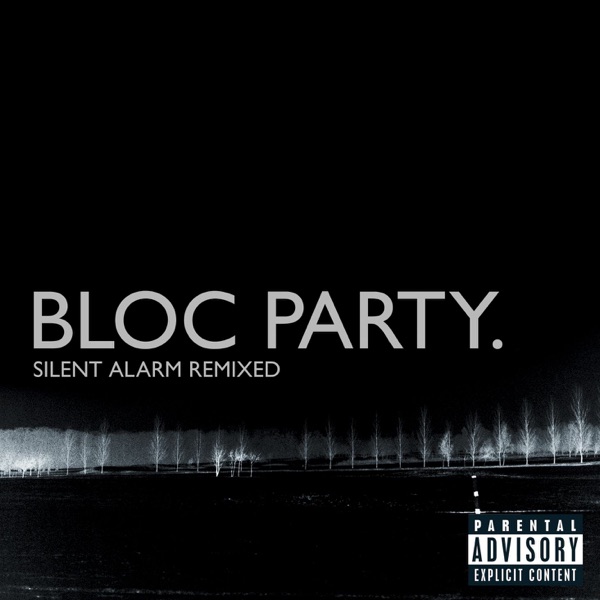
- 1 Like Eating Glass (Ladytron Zapatista Mix) ↗ 4:16
- 2 Helicopter (Whitey Version) ↗ 4:32
- 3 Positive Tension (Blackbox Remix) ↗ 4:25
- 4 Banquet (Phones Disco Edit) ↗ 5:25
- 5 Blue Light (Engineers 'Anti-Gravity Mix) ↗ 3:01
- 6 She's Hearing Voices (Erol Alkan's Calling Your Dub) ↗ 8:23
- 7 This Modern Love (Dave P. and Adam Sparkle's Making Time Remix) ↗ 5:01
- 8 The Pioneers (M83 Remix) ↗ 5:50
- 9 Price of Gasoline (Automato Remix) ↗ 4:47
- 10 So Here We Are (Four Tet Remix) ↗ 6:26
- 11 Luno (Bloc Party Vs. Death from Above 1979) ↗ 3:56
- 12 Plans (Replanned By Mogwai) ↗ 3:42
- 13 Compliments (Shibuyaka Remix By Nick Zinner) ↗ 3:21

- 1 Song for Clay (Disappear Here) ↗ 4:50
- 2 Hunting for Witches ↗ 3:30
- 3 Waiting For The 7:18 ↗ 4:15
- 4 The Prayer ↗ 3:45
- 5 Uniform ↗ 5:31
- 6 On ↗ 4:47
- 7 Where Is Home? ↗ 4:53
- 8 Kreuzberg ↗ 5:25
- 9 I Still Remember ↗ 4:21
- 10 Flux ↗ 3:36
- 11 Sunday ↗ 5:00
- 12 Srxt ↗ 4:52
- 13 Cain Said to Abel (Bonus Track) ↗ 3:24

- 1 Ares (Villains Remix) ↗ 5:31
- 2 Mercury (Herve Is In Disarray Remix) ↗ 4:49
- 3 Halo (We Have Band Dub) ↗ 4:34
- 4 Biko (Mogwai Remix) ↗ 4:23
- 5 Trojan Horse (John B Remix) ↗ 6:52
- 6 Signs (Armand Van Helden Remix) ↗ 5:45
- 7 One Month Off (Filthy Dukes Remix) ↗ 5:46
- 8 Zephyrus (Phase One Remix) ↗ 4:08
- 9 Talons (Phones R.I.P. Mix) ↗ 5:16
- 10 Better Than Heaven (No Age Remix) ↗ 3:00
- 11 Ion Square (Banjo or Freakout Remix) ↗ 4:22
- 12 Letter to My Son (Gold Panda Remix) ↗ 5:31
- 13 Your Visits Are Getting Shorter (Optothetic Remix) ↗ 5:06
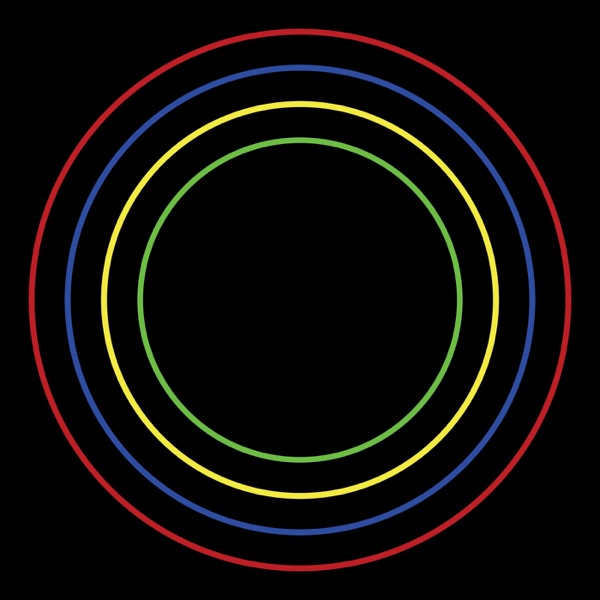

- 1 Intro ↗ 0:58
- 2 I Love You (La La La) ↗ 8:06
- 3 Leroy ↗ 5:47
- 4 Numbers In Action (Sticky Remix) ↗ 3:59
- 5 Battle (feat. Lain) ↗ 3:05
- 6 Space Alarm (mixed) ↗ 3:06
- 7 Obscene (Kele Okereke Remix) ↗ 6:03
- 8 RIP Groove ↗ 8:02
- 9 Shuffering & Shmiling ↗ 21:34
- 10 Jeg Vil Vaere Søppelmann ↗ 6:50
- 11 The Sun Can't Compare (Long Version) [Mr. White Presents Larry Heard] ↗ 7:47
- 12 Percolator (Jamie Jones Vault Mix) ↗ 5:02
- 13 Like a Child (Carl Craig Remix) ↗ 10:41
- 14 The Platform (Samoyed Remix) ↗ 5:45
- 15 The Look (Koreless Remix) ↗ 4:35
- 16 Bloc Party Tapes ↗ 71:46

- 1 The Love Within ↗ 4:38
- 2 Only He Can Heal Me ↗ 4:05
- 3 So Real ↗ 3:24
- 4 The Good News ↗ 3:49
- 5 Fortress ↗ 4:39
- 6 Different Drugs ↗ 5:26
- 7 Into the Earth ↗ 3:59
- 8 My True Name ↗ 5:35
- 9 Virtue ↗ 3:58
- 10 Exes ↗ 4:04
- 11 Living Lux ↗ 4:06
- 12 Eden ↗ 4:01
- 13 Paraíso ↗ 3:58
- 14 New Blood ↗ 4:40
- 15 Evening Song ↗ 4:46

- 1 Day Drinker ↗ 3:14
- 2 Traps ↗ 2:54
- 3 You Should Know the Truth ↗ 3:01
- 4 Callum Is a Snake ↗ 2:00
- 5 Rough Justice ↗ 3:13
- 6 The Girls Are Fighting ↗ 3:55
- 7 Of Things Yet to Come ↗ 4:04
- 8 Sex Magik ↗ 3:26
- 9 By Any Means Necessary ↗ 2:49
- 10 In Situ ↗ 2:55
- 11 If We Get Caught ↗ 3:15
- 12 The Peace Offering ↗ 4:50