
Photo by Ed Vill from Caracas, Venezuela , licensed under CC BY 2.0 · Wikimedia Commons
Rank #8
AC/DC
Riff-driven hard rock perfectionists with one of the best-selling catalogs in music.
From Wikipedia
AC/DC are an Australian rock band formed in Sydney in 1973. Their music has been variously described as hard rock, blues rock and heavy metal, although the band calls it simply "rock and roll". They are cited as a formative influence on the new wave of British heavy metal bands. The band was inducted into the Rock and Roll Hall of Fame in 2003 and have sold over 200 million records worldwide, making them one of the best-selling artists of all time.
Members
- Angus Young (1973–present)
- Bon Scott (1974–1980)
- Malcolm Young (1974–2012)
- Mark Evans (1974–1977)
- Cliff Williams (1977–2016)
- Brian Johnson (1980–present)
- Simon Wright (1983–1990)
- Chris Slade (1990–1995)
- Phil Rudd (1995–2015)
- Stevie Young (2014–present)
- Matt Laug (2023–present)
- Chris Chaney (2024–present)
- Dave Evans (?–1974)
- George Young
Studio Albums
- 1975 High Voltage
- 1975 T.N.T.
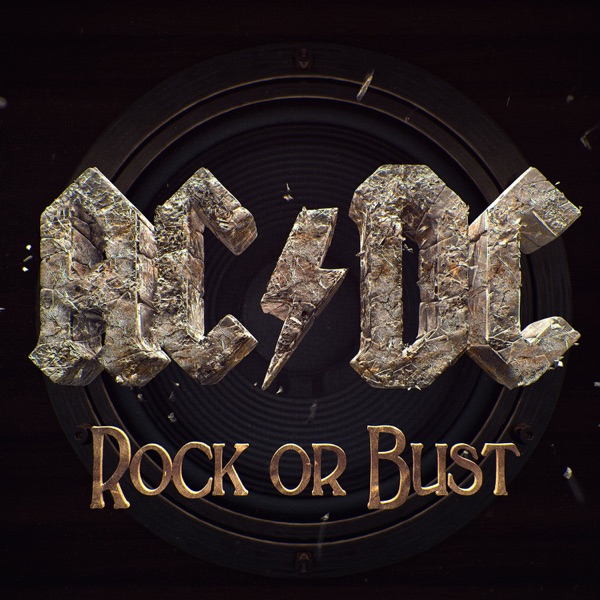
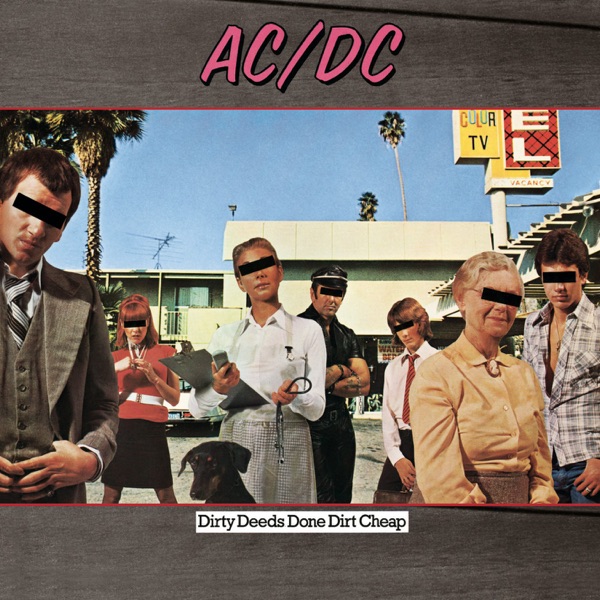
- 1976 Dirty Deeds Done Dirt Cheap
- 1977 Let There Be Rock
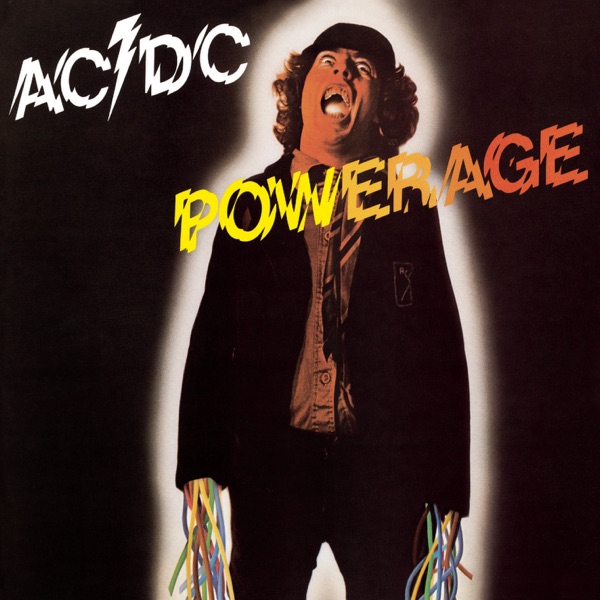
- 1978 Powerage
- 1979 Highway to Hell
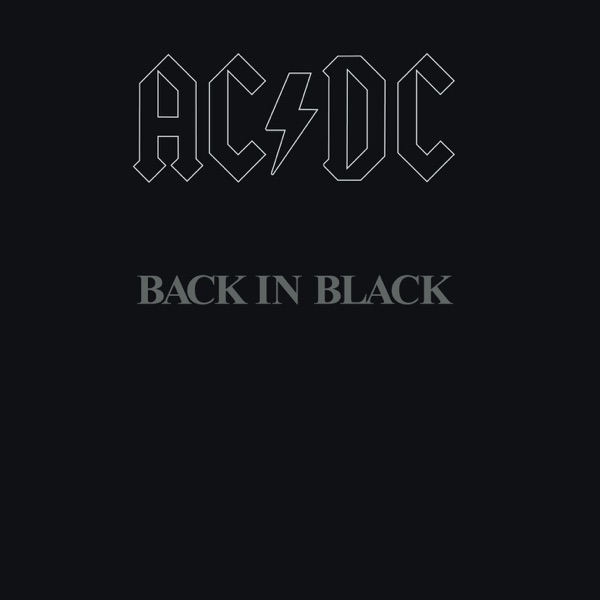
- 1980 Back in Black
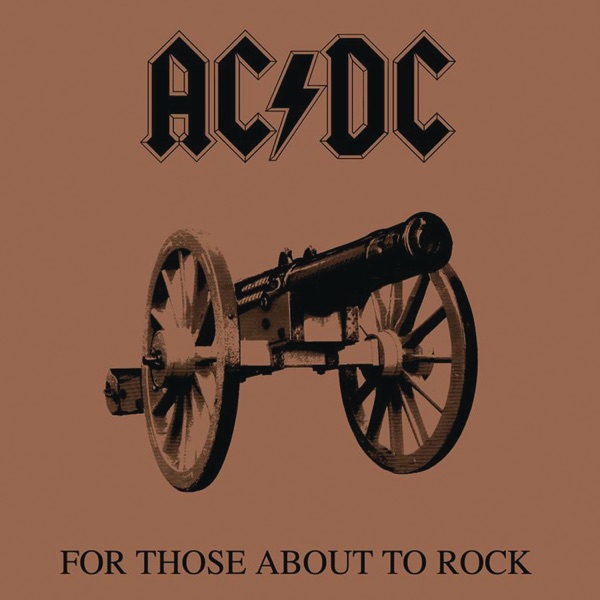
- 1981 For Those About to Rock (We Salute You)
- 1983 Flick of the Switch
- 1985 Fly on the Wall
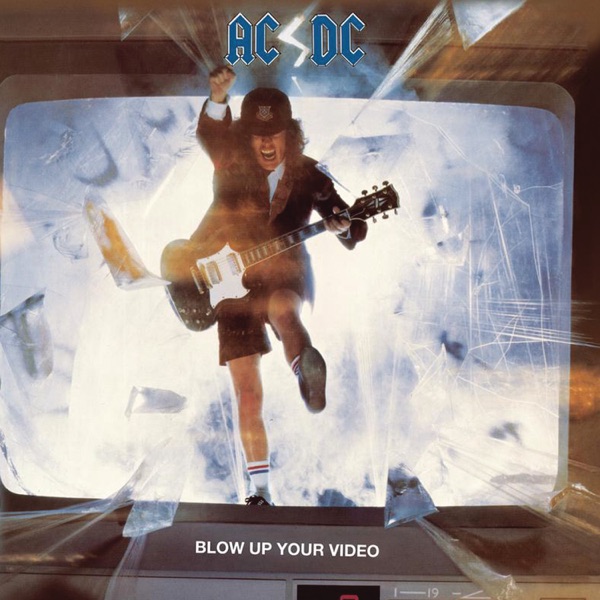
- 1988 Blow Up Your Video
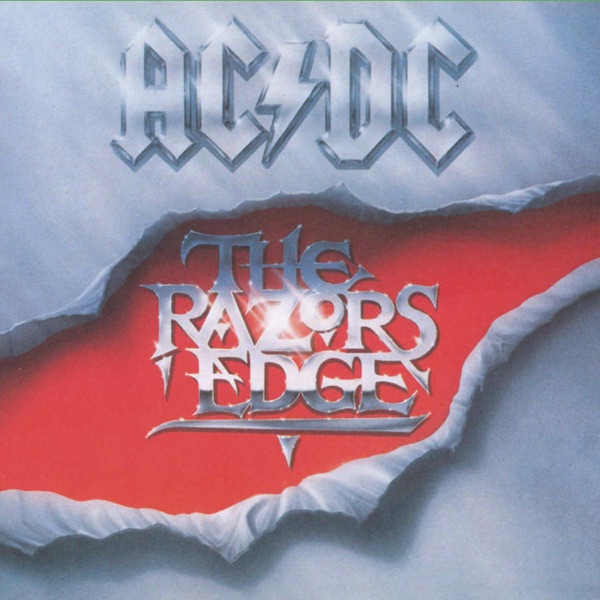
- 1990 The Razors Edge
- 1991 Fire Your Guns
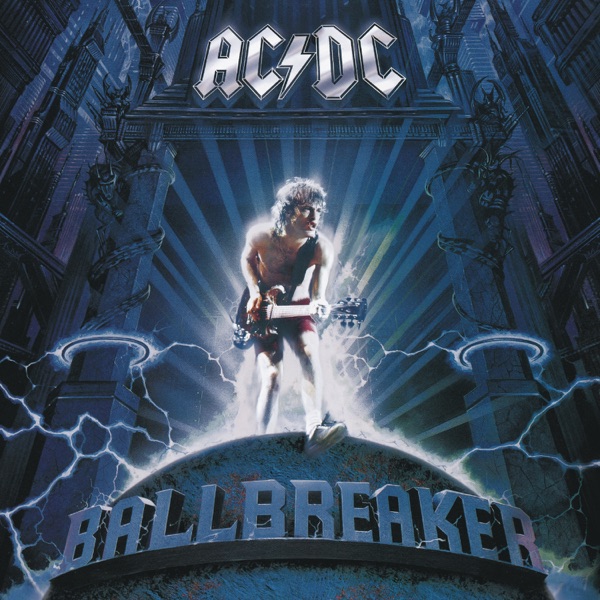
- 1995 Ballbreaker
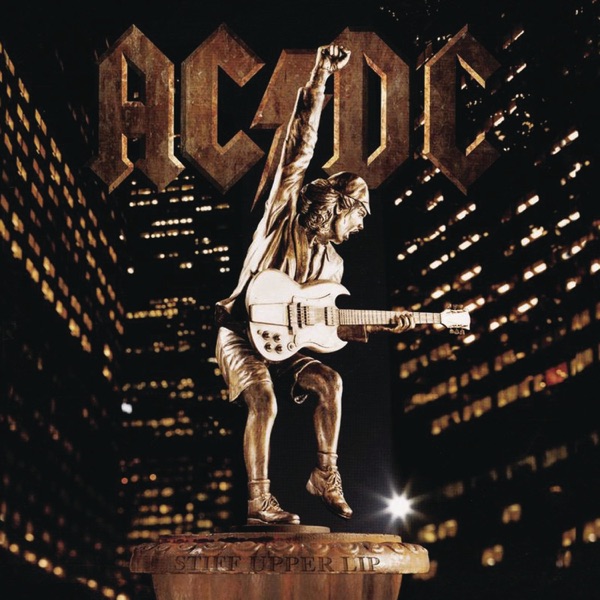
- 2000 Stiff Upper Lip
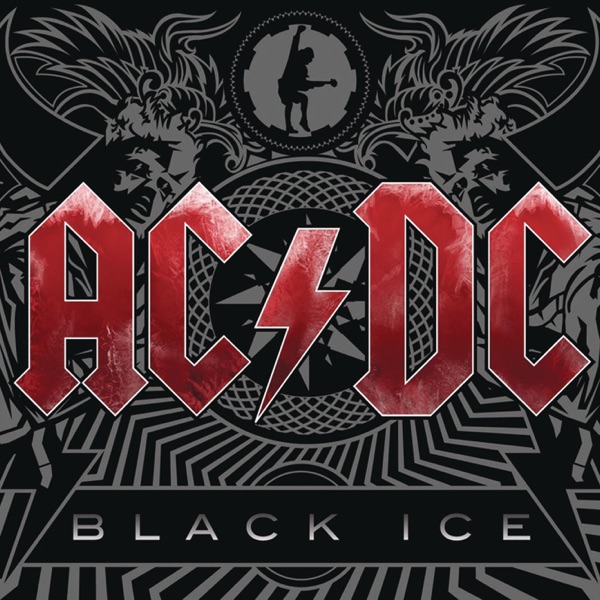
- 2008 Black Ice
- 2014 Rock or Bust
- 2016 Hell Ain't A Bad Place To Be (In Memory Of Bon Scott)
- 2020 Power Up
Source: MusicBrainz
Deep Dive
Overview
AC/DC are an Australian rock band formed in Sydney in 1973 that became one of the best-selling recording acts in history. Their music, which they describe simply as rock and roll, has been variously labeled hard rock, blues rock, and heavy metal by critics and fans. Over their 50-year career, they sold more than 200 million records worldwide and became a foundational influence on the new wave of British heavy metal bands that emerged in the early 1980s. The band’s power rests on a singular formula: heavily amplified, blues-rooted riffs underpinned by metronomic rhythm work and direct, often minimalist songwriting. By 2003, their cultural standing was cemented with induction into the Rock and Roll Hall of Fame.
Formation Story
AC/DC emerged from the Sydney rock scene in 1973 when brothers Malcolm and Angus Young formed the nucleus of what would become one of the decade’s most important hard rock bands. Malcolm, born in Glasgow, Scotland, had emigrated to Australia with his family and brought with him a taste for blues-rooted rock and roll. Angus, the younger of the two, would become the band’s lead guitarist and visual focal point, adopting the schoolboy uniform stage costume that became iconic. The earliest lineup included vocalist Dave Evans, who would be replaced by Bon Scott in 1974. Scott, an Australian vocalist with a raspy, blues-inflected delivery, proved to be the perfect voice for the Young brothers’ unadorned, riff-driven approach. Mark Evans took over guitar duties as rhythm player, and the classic early lineup was rounded out by bassist Paul Matters and drummer Phil Rudd, establishing the five-piece configuration that would dominate their most celebrated period.
Breakthrough Moment
AC/DC’s commercial and critical ascent accelerated with the release of Highway to Hell in 1979, their first album to achieve major international success. Released three years into Bon Scott’s tenure with the band, the record showcased their fundamental strengths: Malcolm’s chunky, blues-derived rhythm guitar riffs, Angus’s melodic lead work, Scott’s gravelly vocals, and a rhythm section that propelled each song forward with unstoppable momentum. The album title track became their signature song and a staple of rock radio. However, it was the release of Back in Black in 1980 that transformed AC/DC into a global phenomenon. Following Bon Scott’s death in February 1980, the band recruited Brian Johnson as vocalist and returned to the studio to record what became one of the best-selling albums of all time. Back in Black sold millions of copies globally and established AC/DC as one of the leading hard rock acts of the decade, a status they would maintain for decades.
Peak Era
The period from 1979 through the mid-1980s marked AC/DC’s creative and commercial zenith. Highway to Hell announced their arrival as major players; Back in Black proved it was no fluke. For Those About to Rock (We Salute You) arrived in 1981 and reinforced the band’s dominance of hard rock radio and concert halls. Throughout this period, the core songwriting partnership of Malcolm and Angus Young remained remarkably consistent. The rhythm section evolved—Cliff Williams had joined as bassist in 1977 and remained the bedrock of the band’s low-end thunder—but the fundamental formula never wavered. The Razors Edge (1990) marked a return to recording after the turbulence of lineup changes and marked the beginning of a new era with drummer Phil Rudd rejoining the band in 1995 after his initial tenure ended in 1989.
Musical Style
AC/DC’s sound is built on the interplay between Malcolm Young’s rhythm guitar work and Angus Young’s lead playing, both grounded in blues tonality but deployed with a minimalist’s restraint. Malcolm’s riffs—thick, heavily distorted, and often built on pentatonic blues scales—form the architectural skeleton of nearly every AC/DC song. Angus’s solos rarely venture far from the same tonal center, instead emphasizing phrasing and timing over technical virtuosity. The rhythm section, especially in the Cliff Williams era, provides a foundation of relentless propulsion; AC/DC songs rarely shift tempo or meter, instead building intensity through repetition and the gradual addition of vocal and instrumental layers. Angus’s schoolboy costume and energetic stage presence contrasted sharply with the no-nonsense musicianship underlying each performance. Vocally, Bon Scott brought a rough, blues-inflected rasp that perfectly complemented the guitar work, while Brian Johnson’s cleaner but still powerful delivery maintained the band’s directness without Scott’s blues phrasing. The overall production aesthetic favored clarity and punch over complexity or studio layering; AC/DC recordings sound like what they were—a tight band playing tightly arranged rock songs.
Major Albums
High Voltage (1975)
AC/DC’s debut arrived just two years after their formation and announced a band with no interest in progressive complexity or studio experimentation. High Voltage established the core elements that would define their entire career: Malcolm’s thick riffs, Angus’s blues-rooted lead work, and a production style that prioritized clarity and impact. The album introduced songs that became staples of their live sets for decades and set the template for everything that followed.
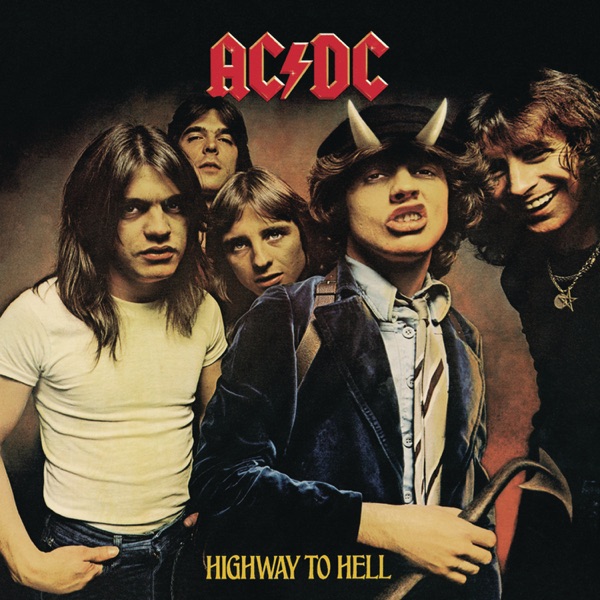
Highway to Hell (1979)
Half a decade into their existence, AC/DC had tightened their approach and deepened their command of the blues-rock vernacular. Highway to Hell marked their international breakthrough moment, with the title track becoming an enduring rock radio staple and concert anthem. The album confirmed that the Young brothers’ songwriting partnership, combined with Bon Scott’s vocals and the rhythm section’s unwavering pulse, had created something commercially viable and artistically coherent.
Back in Black (1980)
Released just months after Bon Scott’s death, Back in Black stands as one of the best-selling albums in rock history. Brian Johnson’s appointment as new vocalist could have derailed the band, but his powerful voice and the album’s collection of immediately memorable riffs ensured its massive success. The record proved AC/DC’s appeal transcended any single member and established them as one of the world’s biggest rock bands.
For Those About to Rock (We Salute You) (1981)
This 1981 follow-up to Back in Black sustained the band’s momentum and further solidified their position as hard rock’s leading mainstream act. The album demonstrated that the Johnson-era AC/DC was capable of sustaining the quality established on Back in Black.
Signature Songs
AC/DC’s catalog is built on riff-driven compositions designed for maximum clarity and repeatability. “Highway to Hell” from the 1979 album of the same name became the band’s most recognizable song worldwide, its menacing riff and Scott’s vocal delivery making it an instant classic. “Back in Black” from the 1980 album became equally ubiquitous, offering a heavier, more grinding take on the hard rock formula. Both songs remain staples of rock radio, film soundtracks, and sporting events globally. Other essential tracks include “You Shook Me All Night Long” from Back in Black and “For Those About to Rock” from the 1981 album, each showcasing the band’s ability to craft hooks around Malcolm’s riff-based architecture.
Influence on Rock
AC/DC’s significance in hard rock and heavy metal history lies in their refinement and popularization of the blues-rock riff as the primary compositional building block. They arrived during the mid-1970s, after progressive rock had fragmented audiences, and offered an alternative rooted in raw power and direct songwriting. Their influence on the new wave of British heavy metal bands—including bands that rose to prominence in the early 1980s—was substantial, as they proved that blues-derived heavy music could achieve massive commercial success without the technical complexity or thematic ambition of progressive acts. The band’s approach influenced countless hard rock and metal acts that followed, from mainstream stadium rock to more underground metal subgenres. Their model of tight, riff-focused songwriting with minimal studio artifice became a template that bands continue to reference.
Legacy
AC/DC’s induction into the Rock and Roll Hall of Fame in 2003 formally acknowledged their status as one of rock’s most important acts. With over 200 million records sold worldwide, they remain one of the best-selling artists of all time, a status achieved through consistent album sales across multiple decades rather than a single breakthrough moment. The band has continued recording and touring into the 2020s, releasing Power Up in 2020 and maintaining their relevance across traditional rock radio and streaming platforms. Their catalog has remained in continuous print and rotation, benefiting from consistent licensing to film, television, and sporting events. The band’s longevity, through multiple lineup changes and the deaths of founding members Malcolm Young (2012) and Cliff Williams (2016), speaks to the durability of their compositional approach and the strength of their riff-based songwriting. AC/DC remains one of the most streamed classic rock acts globally, evidence that their fundamentally direct approach to hard rock continues to resonate across generations.
Fun Facts
- Angus Young, the band’s lead guitarist and visual centerpiece, has performed in his schoolboy uniform since the band’s early days, a costume choice that became one of rock’s most recognizable stage looks.
- The band recorded their 1980 debut album with Brian Johnson as vocalist, Back in Black, just months after Bon Scott’s death in February 1980, and the album became one of the best-selling records of all time.
- AC/DC maintained their original five-piece lineup configuration (two guitars, bass, drums, vocals) for their entire peak era, rarely experimenting with additional musicians or studio layering.
- Malcolm Young, rhythm guitarist and co-founder, continued songwriting until his death in 2012, having been part of the band for 38 years since 1974.
- The band’s record label history spanned multiple major corporations including Epic Records, Geffen, Island, and Universal Music Group, reflecting their status as a global commercial act.
Discography & Previews
Click any album to expand its track list. Each track plays a 30-second preview streamed from Apple Music. Tap the link icon next to a track to open it in Apple Music for full playback.


- 1 Hells Bells ↗ 5:13
- 2 Shoot to Thrill ↗ 5:18
- 3 What Do You Do for Money Honey ↗ 3:36
- 4 Givin the Dog a Bone ↗ 3:32
- 5 Let Me Put My Love Into You ↗ 4:16
- 6 Back In Black ↗ 4:16
- 7 You Shook Me All Night Long ↗ 3:30
- 8 Have a Drink On Me ↗ 3:59
- 9 Shake a Leg ↗ 4:06
- 10 Rock and Roll Ain't Noise Pollution ↗ 4:16


- 1 Thunderstruck ↗ 4:52
- 2 Fire Your Guns ↗ 2:54
- 3 Moneytalks ↗ 3:46
- 4 The Razors Edge ↗ 4:23
- 5 Mistress for Christmas ↗ 4:00
- 6 Rock Your Heart Out ↗ 4:07
- 7 Are You Ready ↗ 4:10
- 8 Got You by the Balls ↗ 4:30
- 9 Shot of Love ↗ 3:57
- 10 Let's Make It ↗ 3:32
- 11 Goodbye and Good Riddance to Bad Luck ↗ 3:14
- 12 If You Dare ↗ 3:09
- 1 Rock 'N' Roll Train ↗ 4:20
- 2 Skies On Fire ↗ 3:34
- 3 Big Jack ↗ 3:57
- 4 Anything Goes ↗ 3:22
- 5 War Machine ↗ 3:10
- 6 Smash 'N' Grab ↗ 4:07
- 7 Spoilin' for a Fight ↗ 3:17
- 8 Wheels ↗ 3:29
- 9 Decibel ↗ 3:34
- 10 Stormy May Day ↗ 3:10
- 11 She Likes Rock 'N' Roll ↗ 3:53
- 12 Money Made ↗ 4:16
- 13 Rock 'N' Roll Dream ↗ 4:41
- 14 Rocking All the Way ↗ 3:23
- 15 Black Ice ↗ 3:25